VR Simulators vs Traditional Arcade Games: Which Is More Profitable in 2026?

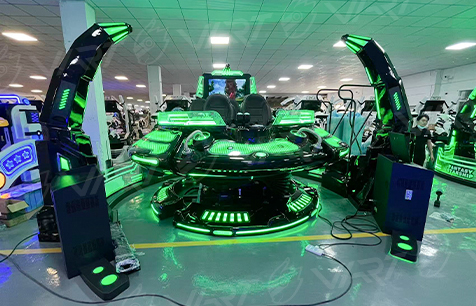
The entertainment industry is evolving rapidly as new technologies reshape how people experience games and attractions. Traditional arcade games have been popular for decades, but VR simulators are now becoming a dominant force in modern entertainment venues.
For investors, shopping mall operators, and family entertainment center (FEC) owners, one key question remains:Are VR simulators more profitable than traditional arcade games?
In this guide, we compare both options in terms of cost, customer attraction, space efficiency, and long-term return on investment (ROI).
What Are VR Simulators?
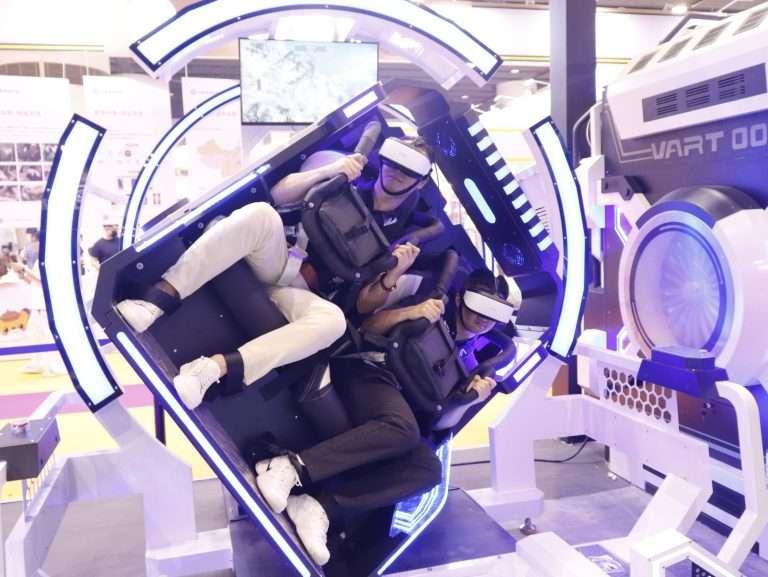
VR simulators are motion-based entertainment systems that combine virtual reality headsets with synchronized physical movement to create immersive experiences such as racing, flying, shooting, and roller coaster rides.
If you want to understand how these systems work, you can read our guide: What Is a VR Simulator.
What Are Traditional Arcade Games?
Traditional arcade games include:
• video arcade cabinets
• redemption machines
• coin-operated games
• simple racing or shooting cabinets
These machines are widely used in entertainment centers and have been a stable business model for many years.
Key Differences Between VR Simulators and Arcade Games
1. Experience Level
VR Simulators
• fully immersive
• motion + visual synchronization
• high emotional engagement
Arcade Games
• screen-based experience
• limited interaction
• lower immersion
VR simulators provide a much stronger “wow factor”.
2. Customer Attraction
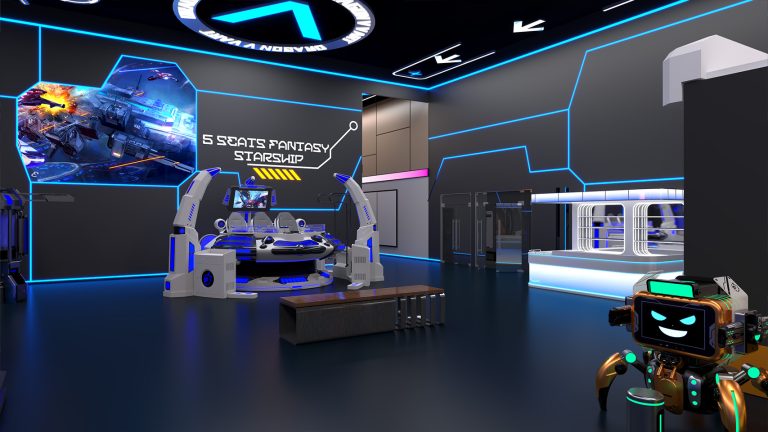
VR simulators naturally attract attention due to their dynamic motion and visual appeal.
They are often placed at the front of entertainment venues to convert walk-in traffic.
Traditional arcade machines, while familiar, usually lack strong visual impact.
3. Revenue Potential
VR simulators typically generate higher revenue per session because of their immersive experience.
They are often priced as premium attractions and can deliver strong returns when properly positioned.
If you are planning a new venue, you can also read our guide: How to Start a VR Arcade Business.
4. Space Efficiency
VR simulators provide higher revenue per square meter because of their strong attraction power.
Arcade machines require more units to achieve similar revenue levels.
5. Content and Replay Value
VR simulators can update content regularly, keeping the experience fresh.
Traditional arcade machines often rely on fixed gameplay, which may reduce long-term engagement.
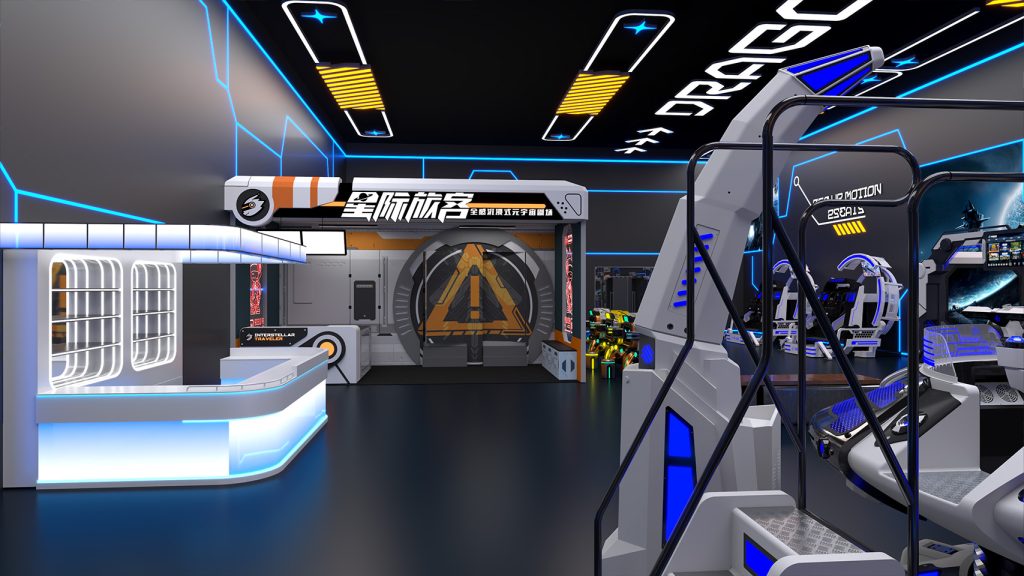
Cost Comparison: VR Simulators vs Arcade Games
The cost structure between the two models is significantly different.
VR Simulators
• higher initial investment
• fewer machines needed
• higher revenue per unit
Arcade Games
• lower cost per machine
• more machines required
• lower revenue per unit
The overall profitability depends on how efficiently the equipment is used.
If you are evaluating total investment, you can also read: How Much Does It Cost to Open a VR Entertainment Center.
ROI Comparison
From a business perspective, return on investment is the most important factor.
VR Simulators
• strong attraction power
• higher ticket pricing
• faster ROI potential
Arcade Games
• stable but lower margins
• slower return
• depends on volume
In many modern entertainment venues, VR simulators outperform traditional arcade machines in terms of long-term profitability.
Which One Is Better for Modern Entertainment Centers?
The best solution is not always choosing one over the other.
A successful entertainment center often combines:
• VR simulators (for attraction and revenue)
• arcade machines (for variety and accessibility)
However, in recent years, VR simulators have become the core attraction that drives traffic and revenue.
Applications in Different Venues
VR simulators are widely used in:
• shopping malls
• family entertainment centers
• indoor theme parks
If you are planning a family-focused venue, you can explore:VR simulators for family entertainment centers
For larger venues, you can also consider:best VR simulators for theme parks
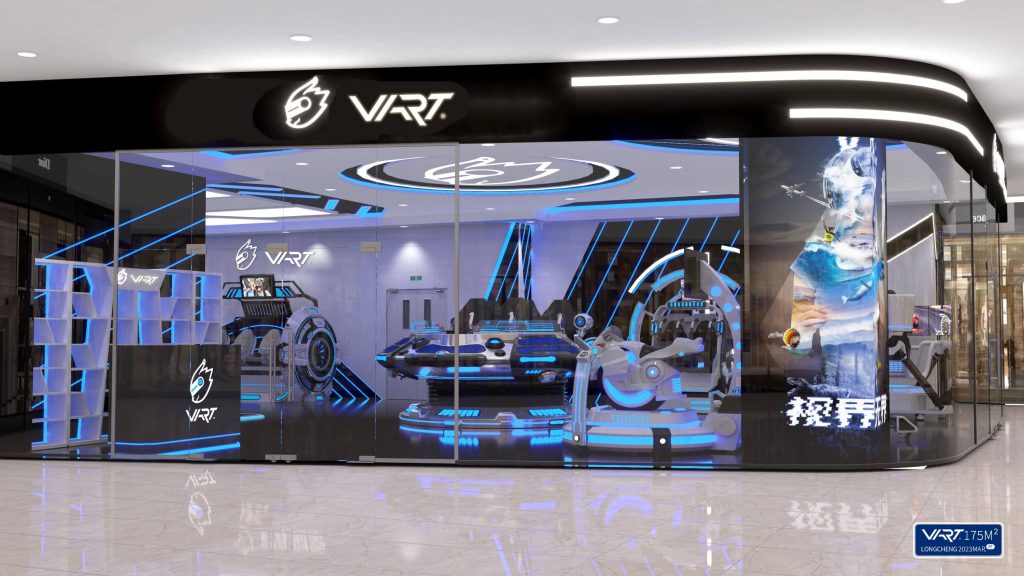
Professional VR Simulator Manufacturer
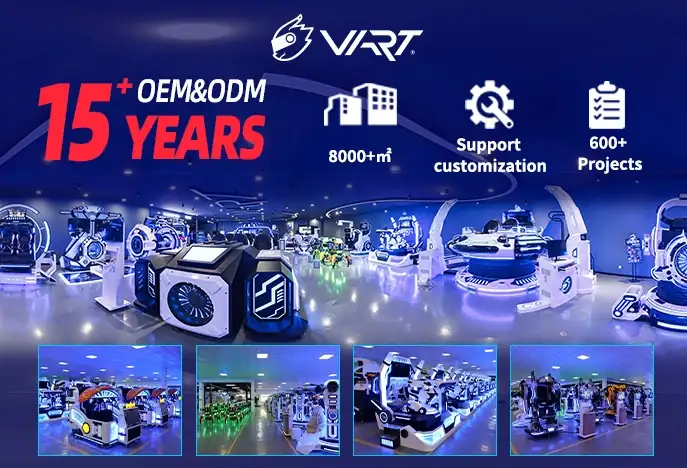
VART is a professional manufacturer specializing in commercial VR simulators and turnkey VR entertainment solutions for global entertainment venues.
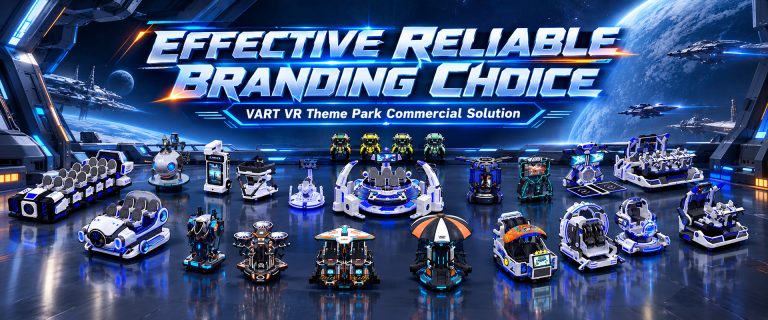
VART provides a wide range of commercial VR simulators designed for shopping malls, VR arcades, theme parks, and family entertainment centers worldwide.
With reliable hardware and immersive content, VART helps operators create engaging and profitable entertainment businesses.
Conclusion
While traditional arcade games remain a stable part of the entertainment industry, VR simulators are redefining how modern entertainment venues attract customers and generate revenue.
For investors looking to build a competitive and future-ready entertainment business, VR simulators offer stronger engagement, higher revenue potential, and better long-term growth opportunities.
FAQ
Are VR simulators more profitable than arcade games?
In many cases, yes. VR simulators generate higher revenue per session and attract more customers.
Do I still need arcade machines in my venue?
Yes. A mix of VR and arcade machines provides better customer diversity and experience.
Which is better for small entertainment centers?
VR simulators can deliver higher impact with fewer machines, making them ideal for smaller spaces.
Can VR simulators replace arcade games completely?
Not entirely, but they are becoming the main attraction in modern entertainment venues.