From Zero to Launch: 10-Step VR Arcade Startup Checklist for 2026

Introduction
Starting a VR arcade or theme park can be highly profitable—but only if done correctly.
Many new investors fail not because of the market, but because they skip critical steps in planning and execution.
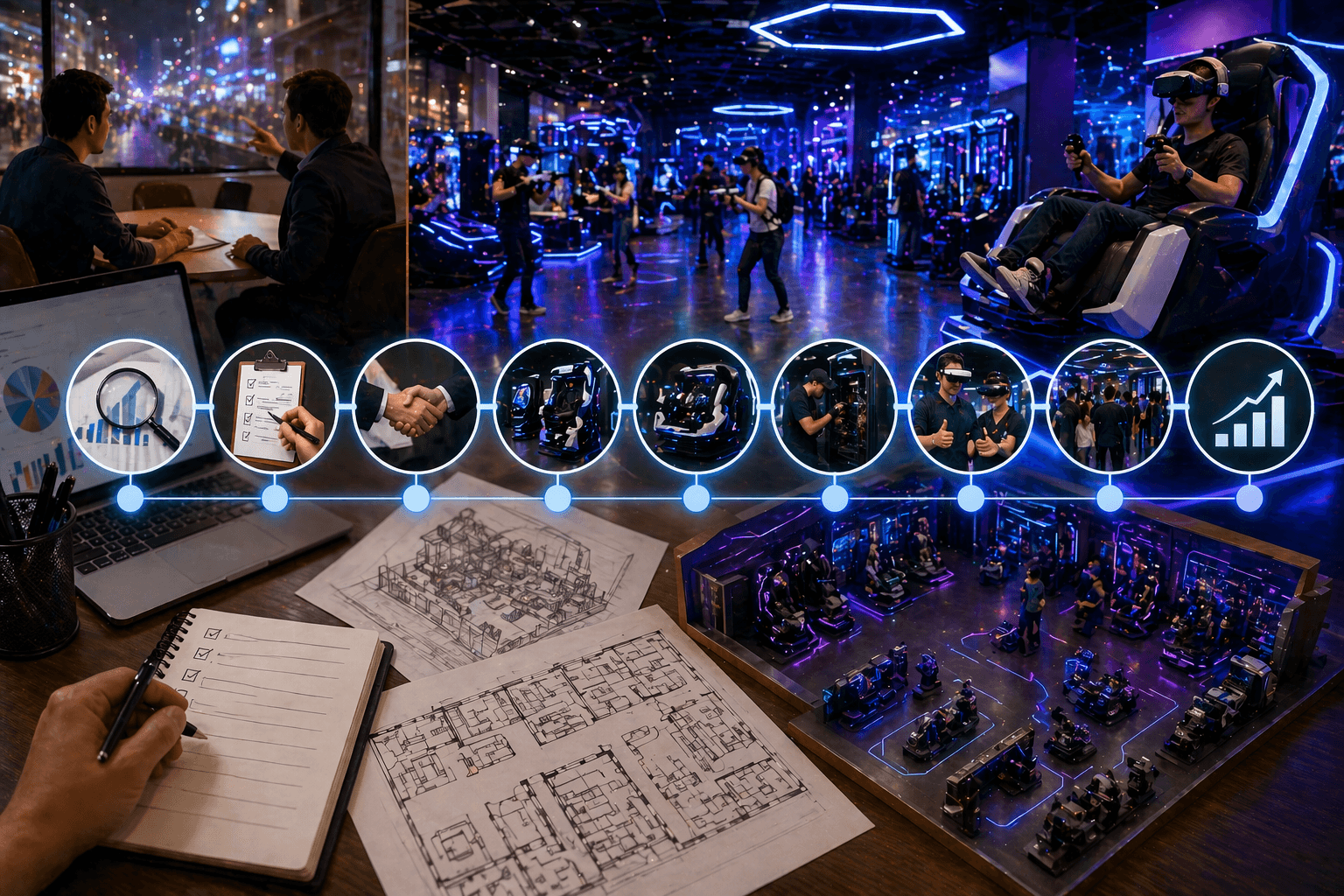
This guide gives you a clear, structured 10-step checklist to help you avoid common mistakes and launch your VR business with confidence.
Key Takeaways
Key Takeaways
- A structured checklist reduces risk when starting a VR business
- Market research and compliance are essential before investing
- Choosing the right manufacturer directly impacts long-term success
- Equipment selection should follow revenue-driven logic
- Proper installation and testing ensure smooth opening
- Combine this with VR arcade ROI calculation guide for better planning

Step 1–2: Market Research and Legal Compliance Come First
Before anything else, you need clarity on your market.
Step 1 — Market Research
Ask yourself:
- Who are your target customers?
- What is the local competition?
- What price range does your market accept?
Step 2 — Legal & Regulatory Requirements
Every country has different rules regarding:
- Business licenses
- Safety standards
- Electrical compliance
If you’re targeting international markets, review VR arcade business Turkey guide
Step 3–4: Choosing the Right Supplier Determines Your Success
This is one of the most important decisions you’ll make.
Step 3 — Why Manufacturer-Direct Matters
Working with a factory (instead of resellers) gives you:
- Better pricing control
- Faster technical support
- Customization flexibility
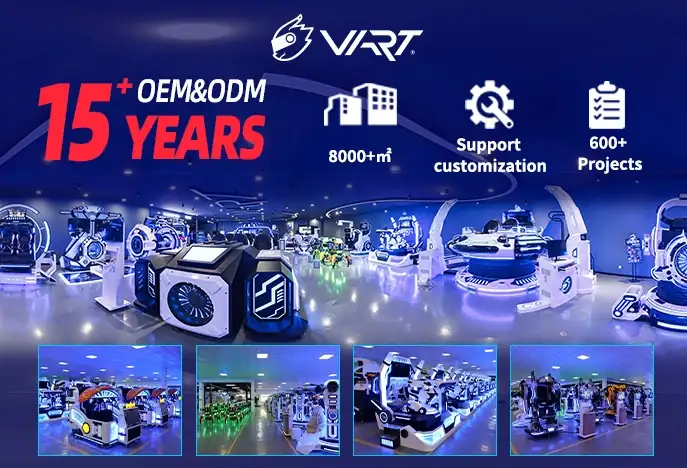
Learn more about our capabilities:About VART
Step 4 — Supplier Comparison
| Factor | Manufacturer | Reseller |
|---|---|---|
| Cost Control | Strong | Weak |
| Support | Direct | Limited |
| Customization | High | Low |
Choosing the right partner reduces long-term risks significantly.
Step 5–6: Equipment Strategy Should Be Revenue-Driven
Don’t just choose machines—build a profit system.
Step 5 — Core Equipment Mix
A balanced setup usually includes:
- High-turnover machines
- High-engagement experiences
- Premium attractions
Example:
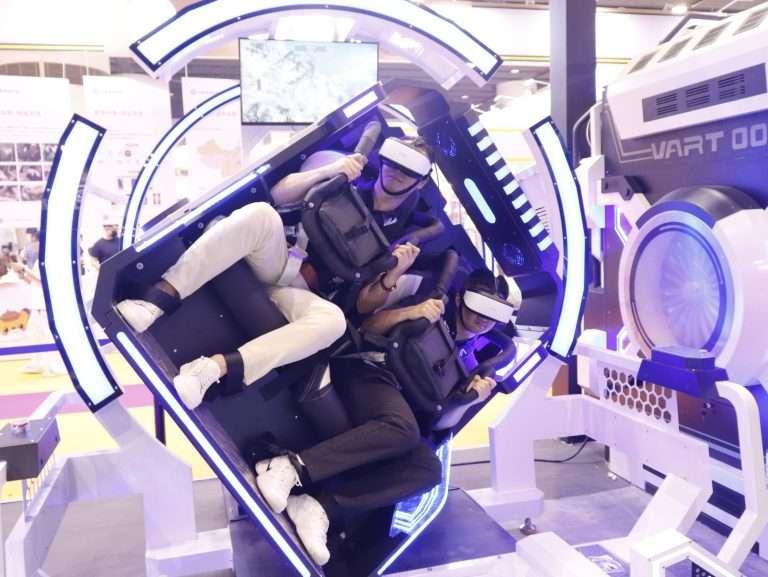
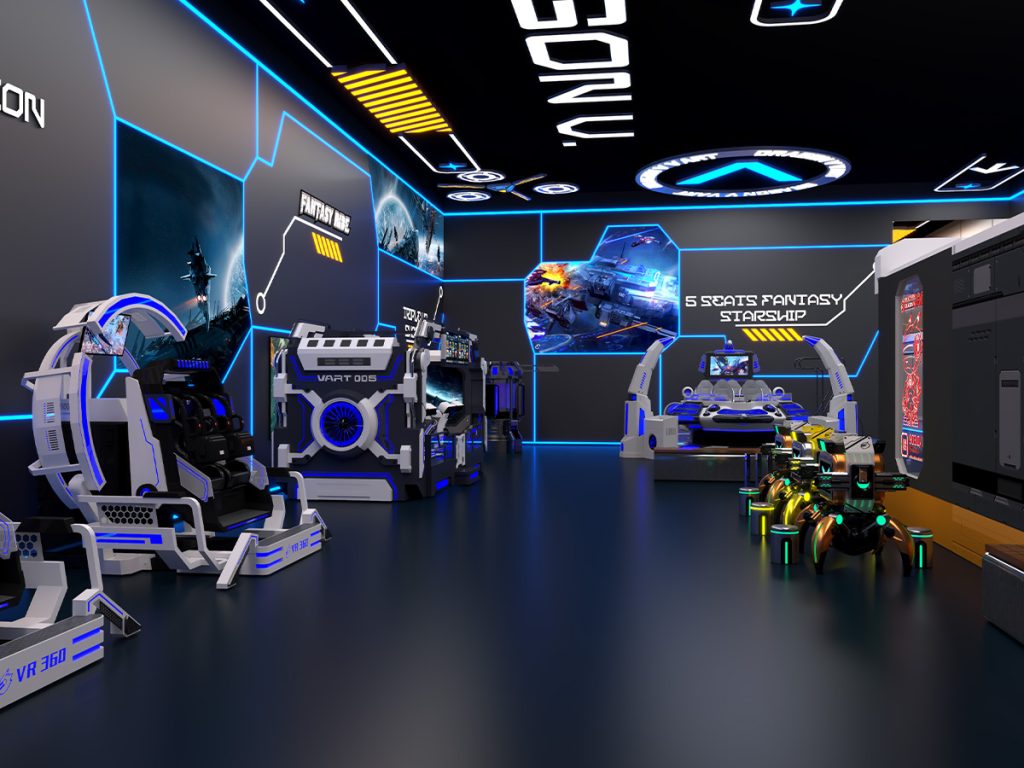
- VR 360 Chair simulator (fast ROI)
- Multiplayer shooting VR (high retention)
Step 6 — Revenue Logic
Each machine should contribute to:
- Customer attraction
- Repeat visits
- Upselling opportunities
Learn how this affects income in VR arcade ROI calculation guide

Step 7–8: Layout, Installation, and Testing
Once equipment is selected, execution begins.
Step 7 — Layout Planning
Focus on:
- Customer flow
- Visibility
- Space efficiency
Use VR arcade floor plan guide for optimization
Step 8 — Installation & Testing
Before opening:
- Test all machines
- Train staff
- Simulate customer experience
Why This Matters?
A smooth opening builds:
- Customer trust
- Positive reviews
- Immediate revenue
Step 9–10: Soft Launch and Optimization
Opening day is just the beginning.
Step 9 — Soft Opening
Start with:
- Limited hours
- Controlled customer flow
- Feedback collection
Step 10 — Optimization
Improve based on:
- Customer behavior
- Machine performance
- Revenue data
Learn cost control strategies in VR simulator maintenance guide
Final Insight: A Systematic Approach Is Your Competitive Advantage
Most failed VR businesses skip steps.
Successful ones follow a system.
Key Principle
Don’t rush to open
Build a repeatable, optimized system
When you follow this checklist:
- Risk is minimized
- ROI becomes predictable
- Growth becomes scalable
See real-world success in VR arcade successful case studies
Call to Action
Contact us to get the 2026 VR Arcade Startup Checklist PDF.
Ready to start your VR business? Contact our team for a complete solution.
FAQ
How do I start a VR arcade business?
Follow a structured checklist including market research, supplier selection, and operational planning.
What is the most important step?
Choosing the right supplier and equipment strategy.
How long does it take to open a VR arcade?
Typically a few weeks to a few months depending on preparation.
Do I need technical knowledge?
Basic training is enough if you work with a reliable manufacturer.
Can I start with a small budget?
Yes, VR businesses can scale from small setups to large theme parks.