What Is a 5D Movie? Complete Guide to 5D Film Technology

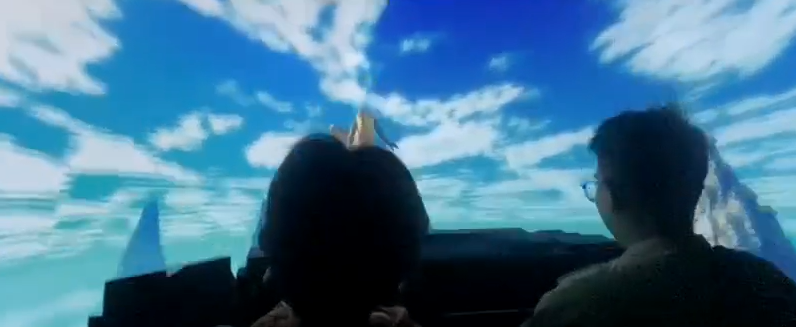
A 5D movie is a short film experience that combines 3D visuals with motion seats and environmental effects — like wind, water spray, bubbles, and vibration — synchronized to the on-screen action. Unlike a standard movie, a 5D film makes you physically feel the story, not just watch it.
What Is 5D Film Technology?
A 5D movie theater takes the depth and visual realism of 3D film and adds two more layers: motion and environmental effects. As you watch, your seat moves with the action — tilting, shaking, or dropping — while synchronized effects like wind, mist, or light touches recreate what’s happening on screen. That combination of “5 elements” (sight, sound, motion, touch, and environmental effects) is where the name comes from.
Most 5D films run 4–8 minutes and are shown in short, repeatable cycles — making them a popular attraction in shopping malls, theme parks, and family entertainment centers, where high visitor turnover matters more than a full-length feature.
What’s the Difference Between 4D and 5D Movies?
This is one of the most common questions people search for, and the honest answer is: there’s no strict industry standard — “4D” and “5D” are largely marketing terms rather than fixed technical categories. In general use:
- 4D movies typically add motion seats plus 1–2 basic effects (like wind or light spray) to a 3D film.
- 5D movies add more effect types — bubbles, snow, vibration, scent, leg ticklers — for a fuller sensory experience.
In practice, many venues use “4D” and “5D” interchangeably, and the real differentiator is how many effect systems and how many degrees of seat motion the theater actually has — not the number in the name. If you’re evaluating equipment, ask the supplier for the exact effect list and seat motion axes rather than relying on the “D” number alone.
Common Effects Used in 5D Movies
- Motion seats — tilt, vibrate, and move with the story
- Wind effects — air jets synced to on-screen speed or wind scenes
- Water spray / mist — for rain, ocean, or splash scenes
- Bubble machines — for underwater or fantasy scenes
- Leg ticklers / back ticklers — simulate bugs, snakes, or unexpected touches
- Lightning and strobe effects — for storms or explosions
- Scent emitters — reinforce specific scenes (flowers, smoke, sea air)
Seat Motion and Effects: What to Look For
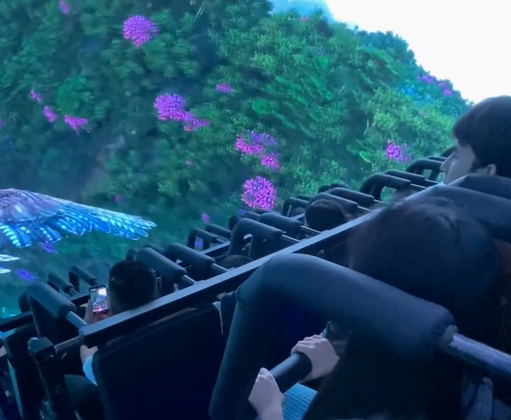
When comparing 5D cinema equipment, the “D” number matters less than the actual specifications. Ask your supplier for the details below. The right-hand column shows VART’s Bermuda Adventure Cinema as an example.
| Feature | What to ask | Example: Bermuda Adventure Cinema |
|---|---|---|
| Display | 3D glasses or glasses-free? Screen size and shape? | 4K glasses-free display on a 180°/270° curved screen |
| Seat motion | Which movements can the seat perform? | Multi-DOF cabin: heave, pitch, roll and yaw, plus weightlessness, acceleration and diving simulation |
| Special effects | Which effects are included? | Wind, lightning, snow, bubbles, water spray, mist, leg ticklers and impact effects |
| Capacity | How many seats per session? | Customizable from 12 seats, with a 30-seat standard model |
| Session length | How long is each show? | 8–12 minutes |
| Film library | How many titles, and are updates included? | 30+ HD titles with continuous updates |
| Audio | What sound system is used? | 5 embedded surround speakers and 1 subwoofer |
| Space and power | What floor area and power are required? | 20 seats: 7 m × 5 m; 40 seats: 10 m × 6 m; 20 kW, 220V/50Hz |
“Degrees of freedom” (DOF) simply counts how many directions the seat can move. More DOF generally means more realistic motion, but the quality of the film and how well the effects are synchronized matter just as much.
Where Can You Watch a 5D Movie?
5D theaters are most commonly found in:
- Shopping malls and family entertainment centers
- Amusement and theme parks
- Museums and science centers (often paired with educational content)
- Tourist attractions and aquariums
Common Types of 5D Movie Content
5D films are short, high-energy clips designed to show off seat motion and special effects. The most common themes include:
- Roller coaster and ride films: fast drops and turns that make the best use of seat motion
- Space and sci-fi journeys: flying through asteroid fields or alien worlds, often paired with wind and light effects
- Underwater adventures: usually combined with mist, bubbles and splash effects
- Jungle and dinosaur themes: leg ticklers, vibration and sudden surprises
- Haunted house and horror: strobe lighting, air blasts and touch effects
- Racing and action: strong tilting and wind effects
- Family and children’s animation: gentler motion and lighter effects
Because most films run only 4–8 minutes, venues can rotate several titles across different themes and refresh the lineup regularly to encourage repeat visits. For example, VART’s Bermuda Adventure Cinema ships with 30+ HD titles, from deep-sea exploration and dinosaur chases to fantasy battles, with continuous library updates.
5D vs 3D vs 7D: Quick Comparison
| 3D Movie | 5D Movie | 7D Movie | |
|---|---|---|---|
| Visual depth | Yes | Yes | Yes |
| Motion seats | No | Yes (basic) | Yes (full 6DOF) |
| Environmental effects | No | 3–5 types | 5+ types |
| Interactivity | No | No | Yes — gameplay controllers |
| Typical runtime | Full-length | 4–8 min | 4–10 min |
Want to go deeper on the technical differences? See our full 5D vs 7D Cinema Comparison Guide, or read How Does 7D Cinema Work? for a breakdown of motion platforms and special effects.
Is a 5D Movie Safe? Age and Health Guidelines
5D movies are generally suitable for most visitors, but because they combine moving seats, sudden effects and 3D visuals, venues usually set a few basic rules.
- Age and height: Most venues set a minimum height so children can sit securely and use the safety belt or bar. For example, VART’s Bermuda Adventure Cinema is designed for guests between 1.2 m and 1.9 m tall.
- Health conditions: Guests who are pregnant, or who have heart conditions, back or neck problems, or sensitivity to flashing lights, are usually advised to consult a doctor or skip the show.
- Motion sickness: The combination of 3D visuals and movement can cause discomfort for some guests, so a gentler film may suit them better.
- Younger children: Water spray, wind and strobe effects can startle small children. If your audience includes many families, ask your supplier whether individual effects can be adjusted or turned off.
For operators: post clear safety signage at the entrance, check belts or bars before every show, and make sure an attendant can stop the show quickly if needed.
Is Investing in a 5D Cinema Profitable?
For venue operators, 5D theaters are popular because they require relatively little space, run on short repeatable cycles that maximize visitor throughput, and typically cost less to set up than a full 7D system. For a detailed cost and ROI breakdown, see our 7D Cinema Price & ROI Guide — the same cost logic applies to comparably-sized 5D setups.
Looking Beyond a Traditional 5D Theater?
Explore our immersive cinema range:
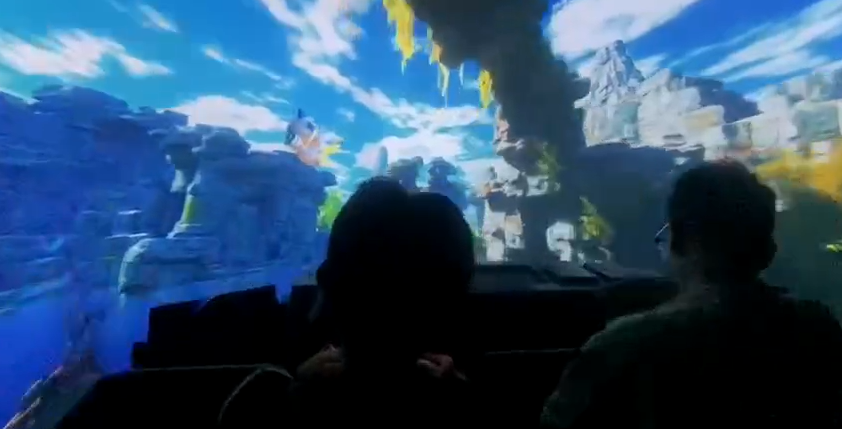
- Bermuda Adventure Cinema: A glasses-free motion cinema with a curved 4K screen, multi-DOF motion cabin and wind, water, snow and bubble effects. Customizable from 12 seats.
- Interstellar Traveler: A sci-fi VR-headset cinema for 12 players, with a 6-DOF motion platform and wind, heat and water effects.
- 360 Panoramic CAVE Immersive Theater: A fully surrounding cinema with 8K LED wall, sky and ground screens, scalable seating and customizable exterior styling, designed for malls, theme parks and science centers.
FAQ
Q1: What are 5D movies?
5D movies are short films shown in specially equipped theaters that combine 3D visuals with motion seats and synchronized environmental effects like wind, water, and vibration.
Q2: What is 5D film?
5D film refers to the same technology as a 5D movie — 3D visuals enhanced with physical motion and sensory effects experienced through moving seats.
Q3: 4D vs 5D — what’s the real difference?
There’s no fixed industry standard between the two terms. Generally, 4D adds motion plus 1–2 basic effects, while 5D includes a wider range of effects like bubbles, snow, and scent. The real difference comes down to how many effect systems a specific theater has, not the “D” number itself.
Q4: What does a 4D movie mean?
A 4D movie is a 3D film experience enhanced with a motion seat and basic environmental effects such as wind or light spray, giving viewers a physical sense of what’s happening on screen.
Q5: Is a 5D movie the same as a 5D cinema?
Yes — “5D movie” usually refers to the film content itself, while “5D cinema” or “5D theater” refers to the venue and equipment that plays it. The terms are often used interchangeably.
Want to Open a 5D or 7D Cinema? Get a Custom Plan and Quote
Choosing the right cinema setup starts with your venue. Tell us your floor area, expected visitor volume and budget, and our team will recommend a suitable configuration with a detailed quotation.
What you’ll receive:
- A recommended equipment setup for your space
- Pricing and estimated delivery time
- Installation and after-sales support details
Get a Quote Prefer to chat? Message us on WhatsApp: +86 18122722483. Factory visits in Guangzhou are welcome.