Top VR Entertainment Trends: Building Social Spaces that Keep Customers Returning

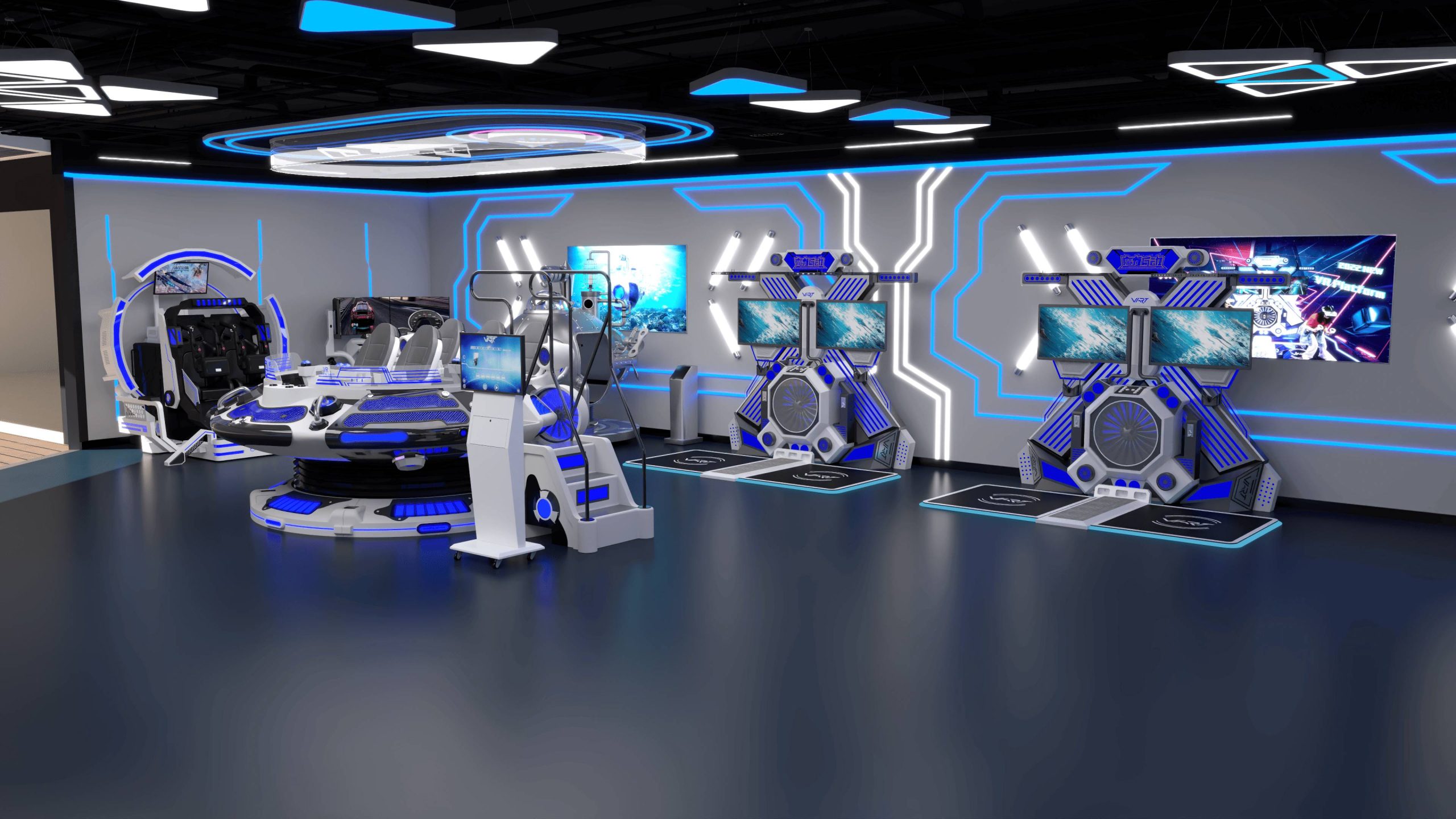
The future of VR entertainment is no longer just about technology.
It is about people.
As the location-based entertainment industry evolves, operators are discovering that the most profitable venues are not necessarily those with the newest hardware or the largest motion platforms.
Instead, the strongest performers are creating social experiences that bring customers together and encourage them to return repeatedly.
In 2026, successful VR parks, VR arcades, and family entertainment centers are shifting their focus from individual gameplay toward community-driven experiences.
Customers no longer want to play alone.
They want to compete.
They want to cooperate.
They want to share their victories online.
Most importantly, they want a reason to come back.
This shift is changing how operators approach venue design, equipment selection, marketing, and customer retention.
In this guide, we explore the biggest social VR trends shaping the entertainment industry and how venue owners can build destinations that keep customers returning again and again.
The Social Shift in VR Entertainment
One of the most important trends in immersive entertainment is the movement away from isolated experiences.
A few years ago, many VR venues relied heavily on single-player attractions.
These experiences generated initial excitement, but often struggled with repeat visits.
Today’s customers expect more.
They want:
- Team competition
- Cooperative missions
- Shared achievements
- Spectator engagement
- Social recognition
The most successful operators understand that entertainment becomes more valuable when it becomes social.
Why VR Arenas Outperform Single-Player Attractions
Multiplayer VR arenas continue to dominate the growth of location-based entertainment.
Unlike traditional VR stations, arenas create experiences that naturally encourage social interaction.
Competition Drives Repeat Visits
Competitive gameplay encourages customers to return.
Players want to:
- Improve rankings
- Beat friends
- Defend their position
- Participate in tournaments
This creates a natural retention cycle.
Single-player attractions often struggle to achieve the same level of engagement.
Group Activities Increase Revenue
Groups typically spend more than individual visitors.
Examples include:
- Birthday parties
- Corporate team-building events
- School groups
- Family outings
A multiplayer VR attraction can generate multiple ticket sales from a single booking.
Spectators Become Customers
One of the most overlooked advantages of VR arenas is spectator engagement.
When people watch exciting gameplay, they often decide to participate themselves.
This creates a powerful conversion effect.
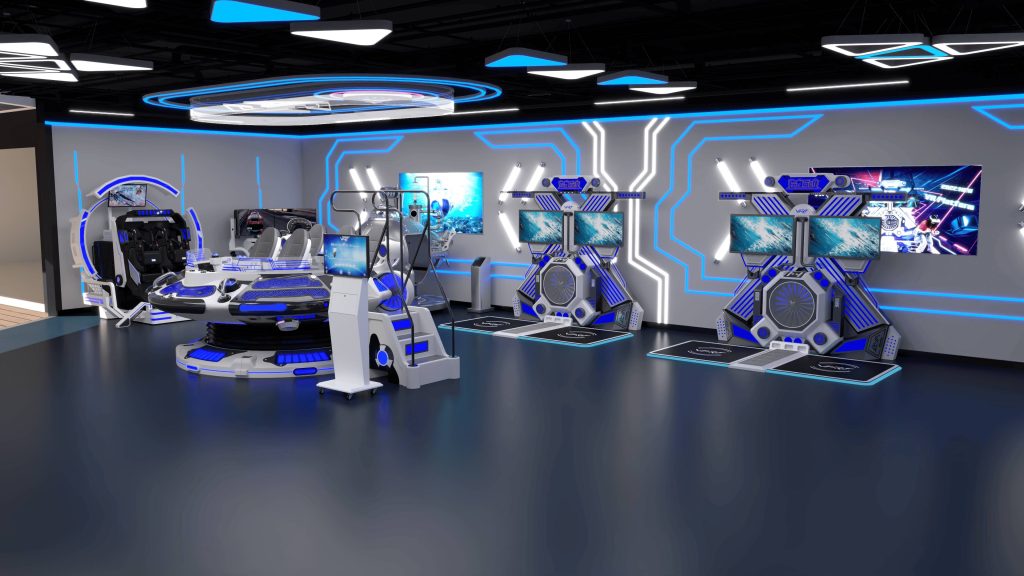
Single-Player vs Social VR: A Business Comparison
| Factor | Single-Player VR | Social VR Arena |
|---|---|---|
| Initial Attraction | High | High |
| Replay Value | Moderate | Very High |
| Social Sharing | Moderate | High |
| Group Bookings | Limited | Excellent |
| Tournament Potential | Low | High |
| Community Building | Difficult | Strong |
| Customer Retention | Moderate | Excellent |
| Revenue Diversification | Limited | Strong |
For operators focused on long-term profitability, social VR experiences typically provide stronger customer retention.
Tournament Hosting: Turning Slow Days into Revenue Opportunities
Many VR venues experience predictable traffic patterns.
Weekends are busy.
Weekdays are often slower.
This is where organized tournaments become valuable.
Why Tournaments Work
Competitive events create urgency.
Customers have a reason to visit on specific dates.
They become invested in:
- Rankings
- Prizes
- Community recognition
- Team performance
This transforms casual visitors into active participants.
Popular Tournament Formats
Successful VR venues often organize:
Weekly Challenges
Simple competitions with small prizes.
Monthly Championships
Larger events designed to attract broader participation.
Team Leagues
Players return regularly to support their teams.
Seasonal Events
Holiday-themed competitions generate additional excitement.
Benefits Beyond Ticket Sales
Tournaments also increase:
- Food and beverage sales
- Merchandise opportunities
- Membership registrations
- Social media exposure
Many operators discover that tournaments improve overall venue activity rather than just event attendance.
Venue Design: Building a Space People Want to Share
Modern VR entertainment venues must function as both gaming environments and social destinations.
The best venues are designed to encourage interaction.
Create Strong Visual Anchors
Every successful VR park should include memorable visual elements.
Examples include:
- Large LED displays
- Dynamic lighting systems
- Themed entrance zones
- Futuristic architecture
These features help create a unique identity.
Design for Spectators
Many operators focus only on players.
However, spectators often become future customers.
Consider including:
- Viewing areas
- Live gameplay screens
- Comfortable seating
- Photo opportunities
Spectator engagement extends customer dwell time.
The Power of Livestream Screens
Displaying live gameplay creates energy throughout the venue.
Benefits include:
- Increased excitement
- Better customer engagement
- More social media content
- Stronger event atmosphere
This strategy is especially effective for competitive VR attractions.
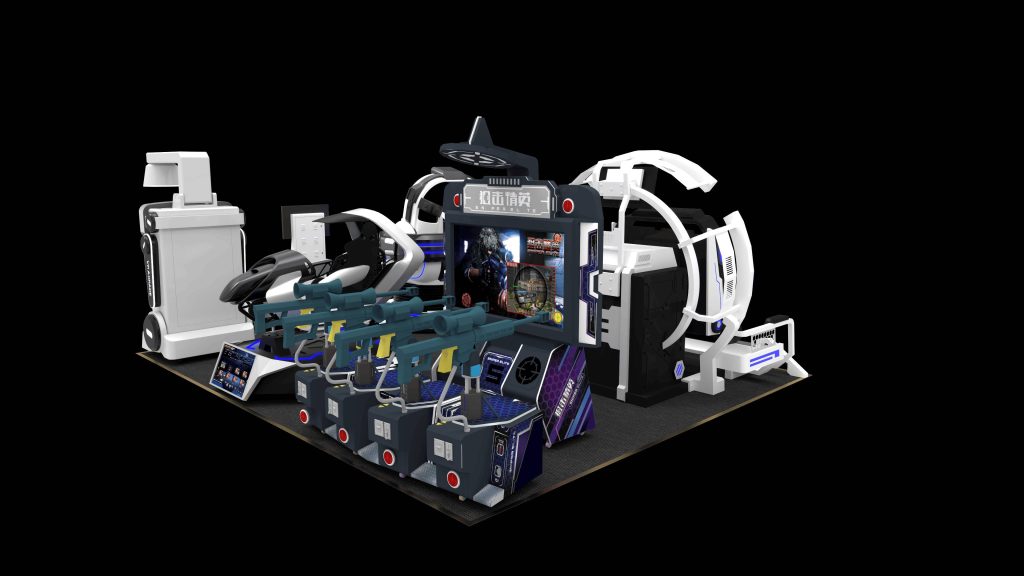
Creating Instagrammable and TikTok-Friendly Spaces
Social media now functions as one of the most powerful marketing tools in entertainment.
Customers actively look for experiences worth sharing.
Lighting Matters
Effective lighting can dramatically improve content creation.
Popular approaches include:
- RGB accent lighting
- Interactive lighting effects
- Themed color zones
Good lighting encourages photography and video recording.
Branded Photo Zones
Dedicated photo areas increase social sharing.
These spaces may include:
- Branded backdrops
- Themed props
- Interactive displays
Every shared image becomes free advertising.
Memorable Visual Design
Customers rarely share ordinary environments.
Unique venue design creates stronger emotional connections and increases online visibility.
Community Building Through Membership Programs
One-time customers create revenue.
Communities create businesses.
The strongest entertainment venues build communities rather than simply selling tickets.
Why Memberships Matter
Membership programs encourage:
- Repeat visits
- Customer loyalty
- Predictable revenue
- Community engagement
They also provide valuable customer data.
Popular Membership Structures
Basic Membership
- Small discounts
- Priority booking
Premium Membership
- Larger discounts
- Exclusive events
- Early tournament access
VIP Membership
- Unlimited gameplay packages
- Special rewards
- Community recognition
Different membership levels appeal to different customer segments.
Gamification Increases Retention
Adding progression systems can significantly improve engagement.
Examples include:
- Achievement badges
- Player rankings
- Reward points
- Exclusive unlocks
Customers become emotionally invested in their progress.
The Rise of Social VR Parks
Large VR parks are increasingly incorporating community-focused design principles.
Rather than filling space with isolated attractions, operators now create ecosystems that encourage interaction.
Successful VR parks often combine:
- Competitive arenas
- Family attractions
- Event spaces
- Social lounges
- Food and beverage zones
This approach increases customer dwell time and spending opportunities.
What This Means for Future VR Business Ideas
Entrepreneurs evaluating VR business ideas should pay close attention to social interaction.
The industry is moving toward experiences that combine:
- Gaming
- Community
- Competition
- Content creation
- Live events
Customers are increasingly choosing destinations that offer social engagement rather than isolated entertainment.
This trend is expected to accelerate throughout 2026 and beyond.
Why Equipment Selection Matters
Not all VR equipment supports social engagement equally.
Operators should prioritize attractions that encourage:
- Team participation
- Competitive gameplay
- Spectator interaction
- Tournament hosting
These characteristics often produce stronger long-term profitability.
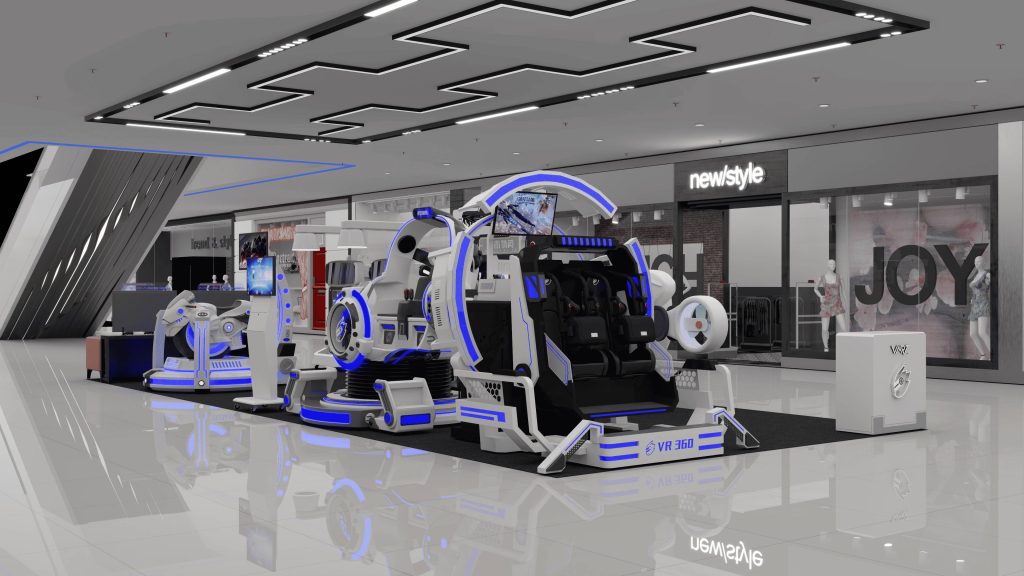
At VART VR, many of the most successful commercial deployments focus on multiplayer and arena-based experiences because they align with the industry’s shift toward social entertainment.
Final Thoughts
The future of VR entertainment is social.
While immersive technology remains important, community-building has become the true driver of customer retention.
The most successful venues are creating experiences that encourage:
- Competition
- Cooperation
- Social sharing
- Repeat visits
- Long-term membership
By combining social VR attractions, tournament programs, engaging venue design, and strong community-building strategies, operators can create destinations that continue generating revenue long after the initial excitement fades.
Want to build a social-first VR park or competitive VR arena that keeps customers returning?
Explore VART VR‘s commercial multiplayer attractions and discover how immersive social entertainment can transform your venue.
FAQ
Why are multiplayer VR arenas becoming more popular?
Multiplayer arenas encourage competition, teamwork, and social interaction, leading to higher replay rates and stronger customer retention.
How can tournaments increase VR arcade revenue?
Tournaments attract repeat visitors, increase membership participation, improve social media visibility, and help generate traffic during slower business periods.
What makes a VR venue more social?
Features such as multiplayer attractions, live gameplay displays, event spaces, spectator zones, and membership programs all contribute to a stronger social environment.
Are VR parks more profitable than traditional VR arcades?
Many operators find that social VR parks generate stronger customer retention and higher lifetime customer value because they focus on community building.
What is the best equipment for social VR entertainment?
Equipment that supports multiplayer gameplay, competitive experiences, team activities, and spectator engagement typically performs best in social entertainment environments.