The Ultimate 2026 VR Gaming Center Business Plan: A Step-by-Step Template

Key Takeaways
- A successful VR gaming center is built on location strategy, equipment selection, operational efficiency, and customer retention.
- Most profitable operators focus on ROI and customer throughput rather than simply purchasing the most expensive VR equipment.
- A balanced mix of high-traffic attractions and premium VR experiences helps maximize revenue.
- Standardized operating procedures improve customer satisfaction and reduce staffing challenges.
- Social media marketing, local partnerships, and membership programs remain the most effective customer acquisition channels in 2026.
As the commercial VR industry continues to expand, more entrepreneurs are exploring opportunities in immersive entertainment. However, starting a VR gaming center requires more than simply purchasing a few VR simulators.
A successful VR business plan must address location strategy, equipment selection, operational workflow, marketing systems, and financial planning.
The good news is that the demand for immersive entertainment continues growing globally. Shopping malls, family entertainment centers, theme parks, cinemas, and tourism attractions are all actively integrating VR experiences to attract visitors and increase revenue.
This guide provides a practical framework for building a profitable VR gaming center in 2026.
Whether you are opening a small VR arcade, launching a family entertainment center, or developing a larger immersive attraction, this step-by-step template will help you avoid common mistakes and improve your chances of long-term success.
Executive Summary: Why VR Gaming Centers Are Growing in 2026
The entertainment industry is shifting toward interactive experiences.
Consumers increasingly seek activities that are:
- Immersive
- Social
- Competitive
- Shareable on social media
- Difficult to replicate at home
Commercial VR attractions satisfy all of these demands.
Compared to many traditional entertainment formats, VR gaming centers offer:
- Strong visual appeal
- High customer engagement
- Premium ticket pricing
- Flexible content updates
- Relatively efficient use of floor space
The most successful operators understand that customers are paying for experiences, not technology.
That is why a carefully planned VR gaming center often generates stronger long-term profitability than many conventional arcade models.
Define Your Business Model Before Buying Equipment
Many first-time investors start by looking at machines.
Successful operators start by defining their business model.
Ask yourself:
Who is your target audience?
Possible customer groups include:
- Teenagers
- Young adults
- Families
- Tourists
- Corporate events
- Birthday parties
- School groups
Each audience prefers different experiences.
What type of venue are you building?
Common models include:
| Venue Type | Typical Size | Target Audience |
|---|---|---|
| Small VR Arcade | 30–80㎡ | Teenagers & mall traffic |
| VR Gaming Center | 80–200㎡ | General entertainment |
| Family Entertainment Center | 200–1000㎡ | Families & groups |
| VR Theme Park | 1000㎡+ | Large-scale attractions |
Your business model will influence every future decision.
Market Research & Location Selection
Location remains one of the most important factors in VR arcade ROI.
A great location can significantly outperform a mediocre location using identical equipment.If you are planning a European project, our guide to starting a VR arcade in the UK explains local compliance and location selection in more detail.
Shopping Malls
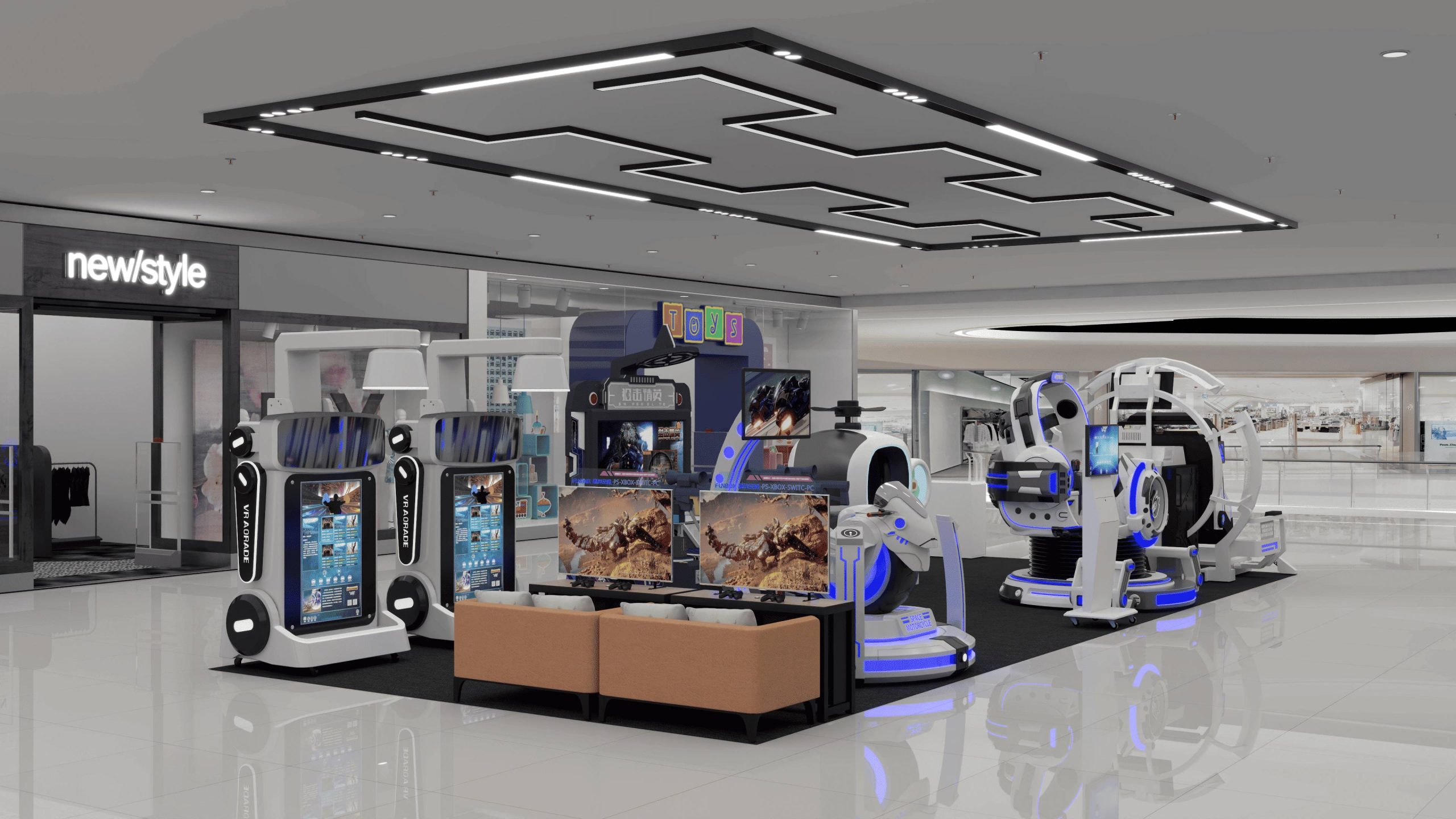
Shopping malls remain one of the strongest locations for VR gaming centers.
Benefits include:
- Existing foot traffic
- Family-oriented audiences
- Weekend peak traffic
- Strong impulse purchasing behavior
Many successful VR centers position attractions near:
- Food courts
- Cinema entrances
- Main corridors
- Entertainment zones
Family Entertainment Centers
FECs provide excellent opportunities for repeat visits.
Advantages include:
- Longer customer dwell time
- Group activities
- Birthday events
- Membership programs
- Cross-selling opportunities
VR attractions fit naturally into this environment.
Tourist Attractions
Tourism locations often support premium ticket pricing.
Popular VR experiences include:
- Flight simulators
- VR roller coasters
- VR parachute simulators
- Multiplayer shooting experiences
These attractions create memorable experiences that tourists actively seek.
Equipment Selection Strategy
One of the biggest mistakes investors make is purchasing equipment without considering customer flow and profitability.
A successful VR gaming center balances attraction power with revenue generation.
High-Traffic Attractions
These machines attract attention and generate walk-in customers.
Examples include:
- VR Motorcycle
- VR Racing Simulators
- VR Flight Simulators
- 360 Rotation Chairs
Benefits:
- Strong visual impact
- High customer curiosity
- Social media appeal
Premium Ticket Attractions
These attractions support higher pricing and longer experiences.
Examples include:
- Multiplayer VR Arenas
- Free-Roam VR
- VR Shooting Systems
- Large Motion Simulators
Benefits:
- Higher average transaction value
- Group bookings
- Better long-term ROI
Recommended Equipment Mix
| Equipment Category | Recommended Ratio |
|---|---|
| Traffic Attractions | 40% |
| Premium Experiences | 40% |
| Family-Friendly Attractions | 20% |
This balance typically creates strong revenue diversity.
Financial Model: Startup Costs & Revenue Planning
Every VR business plan should include realistic financial projections.
Below is a simplified financial model structure that can easily be recreated in Excel.
Startup Cost Template
| Category | Estimated Cost Range |
|---|---|
| Commercial VR Equipment | 40–60% of budget |
| Renovation & Decoration | 15–25% |
| Electrical Infrastructure | 5–10% |
| Licensing & Permits | 2–5% |
| Marketing Launch Budget | 5–10% |
| Working Capital Reserve | 10–20% |
Monthly Operating Cost Template
| Category | Monthly Expense |
|---|---|
| Rent | Variable |
| Staff Salaries | Variable |
| Utilities | Variable |
| Internet & Software | Variable |
| Marketing | Variable |
| Maintenance | Variable |
Revenue Projection Template
| Metric | Example |
|---|---|
| Average Ticket Price | $10 |
| Daily Customers | 80 |
| Daily Revenue | $800 |
| Monthly Revenue | $24,000 |
| Estimated Monthly Expenses | $8,000 |
| Estimated Monthly Profit | $16,000 |
Actual results depend on location, equipment mix, marketing, and local competition.
Operational Workflow (SOP)
Many new operators underestimate the importance of standardized processes.
A clear workflow improves customer experience and operational efficiency.
VR Gaming Center Recommended Customer Journey
| Step | Process |
|---|---|
| 1 | Customer Arrival |
| 2 | Equipment Recommendation |
| 3 | Ticket Purchase |
| 4 | Safety Briefing |
| 5 | Equipment Setup |
| 6 | Gameplay Experience |
| 7 | Photo/Video Opportunity |
| 8 | Upsell Additional Games |
| 9 | Membership Offer |
| 10 | Follow-up Marketing |
This process creates a professional experience while maximizing revenue opportunities.
Staffing Structure
Most VR gaming centers do not require large teams.
A typical operation may include:
Front Desk Staff
Responsible for:
- Ticket sales
- Membership registration
- Customer assistance
Game Operators
Responsible for:
- Equipment setup
- Safety supervision
- Basic troubleshooting
Technical Support
Responsible for:
- Software updates
- Maintenance
- Operational stability
Smaller venues often combine these roles.
Marketing Engine: How to Get Customers Consistently
Opening a VR gaming center is only half the challenge.
Customer acquisition determines long-term profitability.
Social Media Marketing
Short-form video remains the most effective channel in 2026.
Focus on:
- TikTok
- Instagram Reels
- YouTube Shorts
- Facebook Reels
VR content naturally performs well because reactions are highly visual.
Influencer Collaborations
Local influencers can dramatically increase visibility.
Consider:
- Free gameplay sessions
- Launch events
- Community challenges
- Content collaborations
Even small creators often generate strong local engagement.
Membership Programs
Repeat customers are more valuable than new customers.
Popular membership benefits include:
- Recharge bonuses
- VIP pricing
- Birthday rewards
- Exclusive events
These programs improve customer retention and lifetime value.
Local Business Partnerships
Strong partnerships often outperform traditional advertising.
Potential partners include:
- Cinemas
- Restaurants
- Shopping malls
- Schools
- Event organizers
Cross-promotions help reduce customer acquisition costs.
Common Mistakes When Starting a VR Business
Avoiding mistakes is often more important than finding shortcuts.
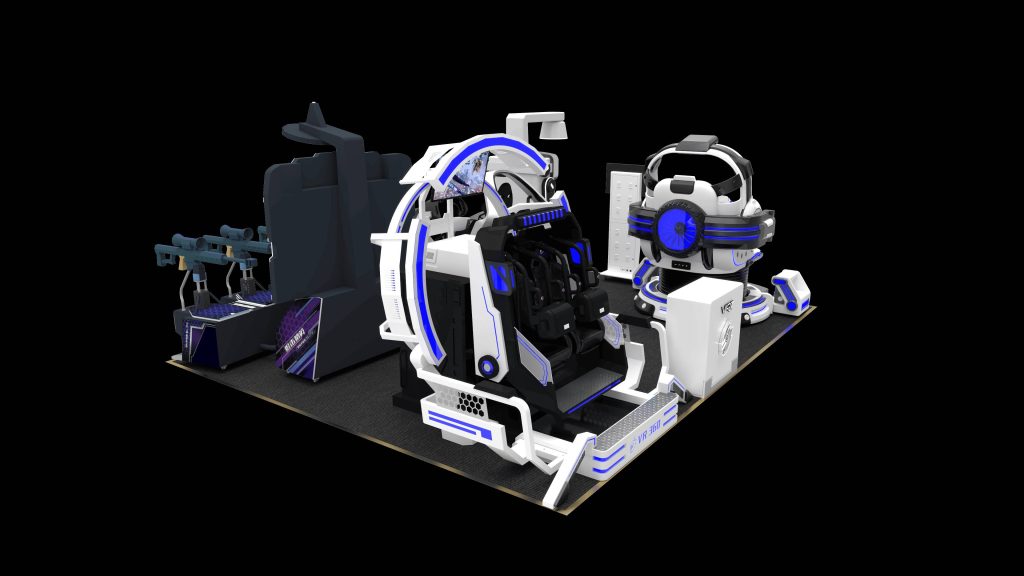
Buying Machines Before Planning the Layout
Poor layouts reduce customer flow and visual impact.
Choosing Equipment Based Only on Price
Cheap equipment often creates maintenance problems and weaker customer experiences.
Ignoring Marketing
Even excellent venues require active promotion.
Underestimating Working Capital
New businesses should maintain sufficient cash reserves for operational stability.
Failing to Refresh Attractions
Customers expect new experiences.
Regular content updates improve retention.
Why Turnkey Solutions Reduce Risk
Many first-time investors struggle with:
- Equipment selection
- Layout planning
- Traffic flow design
- Installation
- Operational setup
This is why turnkey solutions are becoming increasingly popular.
Professional partners can help with:
- Equipment recommendations
- Venue design
- Revenue planning
- Logistics coordination
- Technical support
Reducing mistakes often improves ROI faster than reducing equipment costs.
Final Thoughts
Starting a VR gaming center in 2026 remains one of the most exciting opportunities in immersive entertainment.
Success depends on much more than equipment.
The most profitable operators focus on:
- Location strategy
- Customer experience
- Revenue optimization
- Operational efficiency
- Long-term marketing systems
A strong VR business plan creates a foundation for sustainable growth.
Need professional venue planning assistance?
Contact VART VR today to receive a free CAD layout design, commercial equipment recommendations, and a customized VR gaming center solution.
FAQ
How much does it cost to start a VR gaming center?
Startup costs vary depending on venue size, equipment selection, renovation requirements, and local operating expenses. Most projects require budgeting for both equipment and operational infrastructure.
Is a VR gaming center profitable?
Yes. A well-managed VR gaming center can generate strong returns through ticket sales, memberships, group events, and repeat customers.
What equipment should a new VR arcade buy first?
Most operators start with a combination of traffic-generating attractions and premium-ticket experiences to balance customer volume and profitability.
How important is location for a VR business?
Location is one of the biggest factors affecting customer traffic, revenue potential, and long-term success.
How can I attract customers to my VR gaming center?
Social media marketing, local partnerships, influencer collaborations, and membership programs remain the most effective customer acquisition channels.