How to Verify a VR Equipment Manufacturer’s Production and Delivery Capability

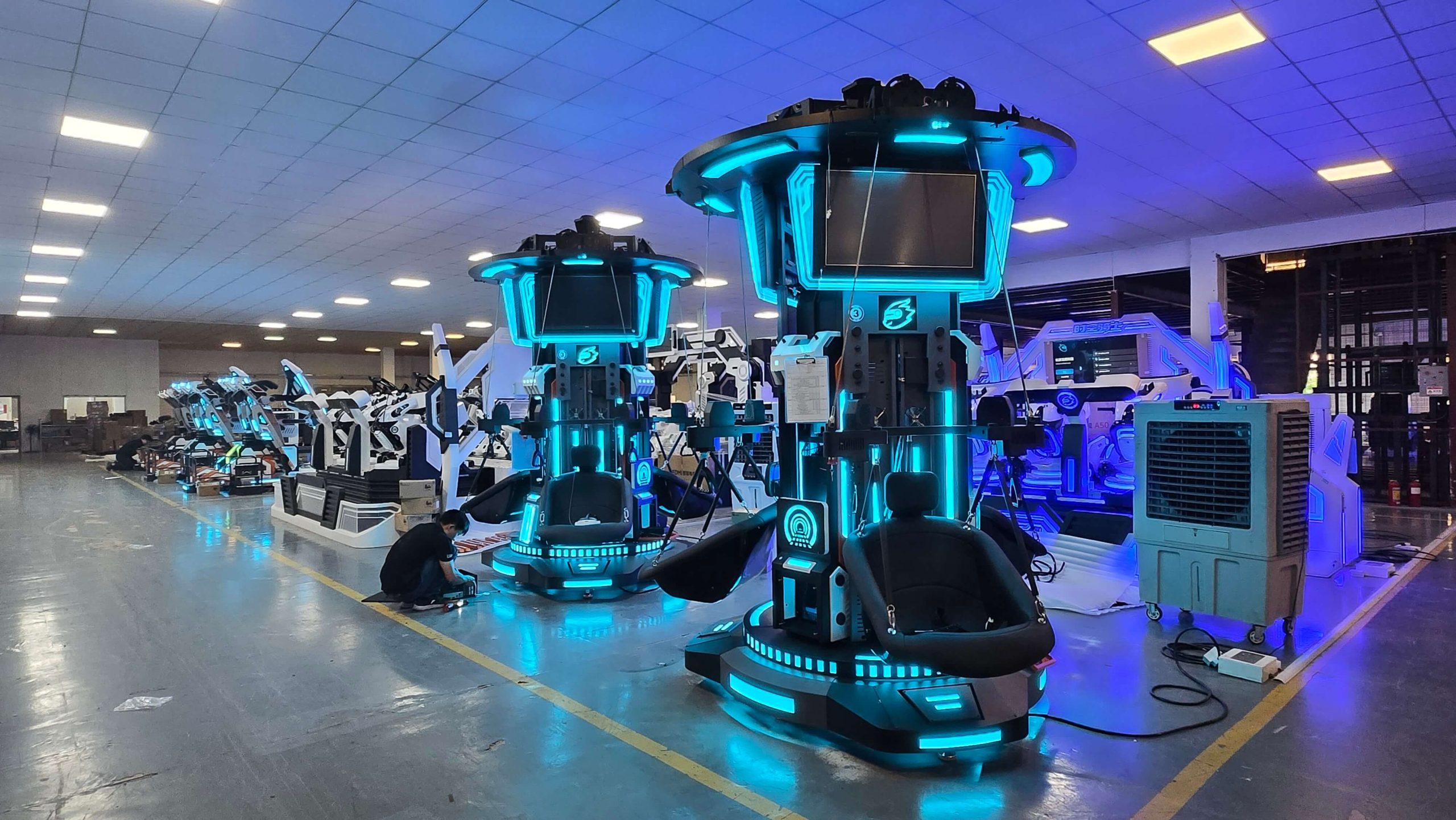
When choosing a VR arcade equipment manufacturer, you can follow a single product through its design, production, commissioning and on-site delivery to see what the manufacturer can actually do. When planning a whole-venue solution, you need to consider the gameplay of each machine, your target customers, the site and the guest-reception process together.
For operators, an attractive machine is the starting point: it gives customers a reason to try the experience. But a sensible equipment mix and smooth staff service are what turn that interest into completed sessions.
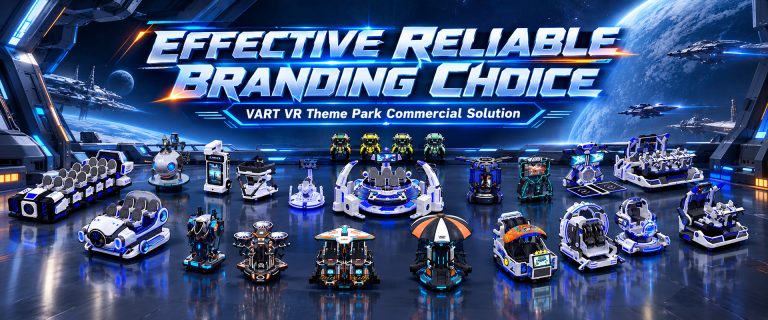
VART VR was founded in 2011 and integrates immersive project planning, R&D, custom content, design, production and after-sales service. From VR amusement equipment to full-sensory immersive theaters, VART VR’s solutions revolve around two questions: why do customers want to play, and how can a venue deliver the experience well?
Visit With a Specific Product in Mind to See a Manufacturer’s R&D and Production Strength
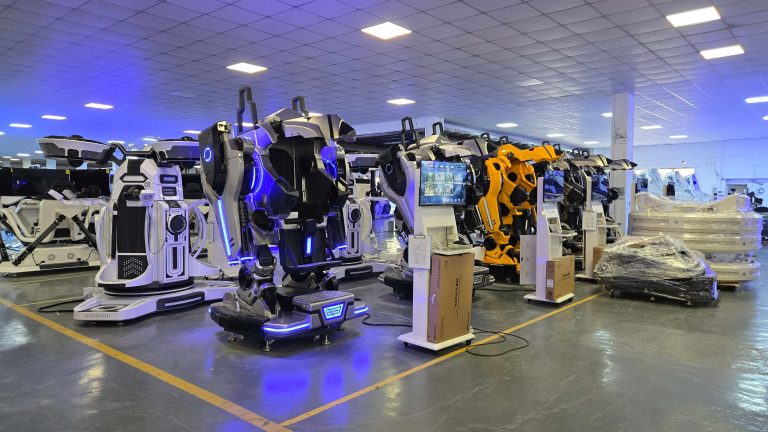
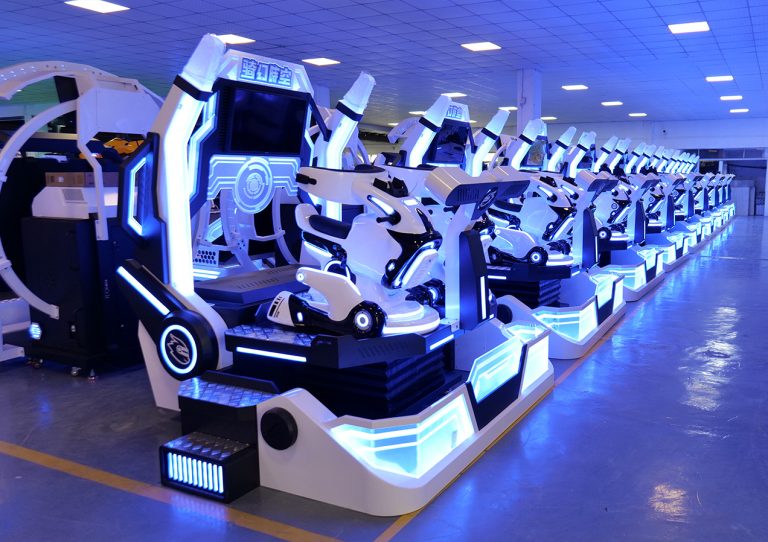
To verify a VR equipment manufacturer’s production capability, we recommend first choosing one or two machines you plan to purchase, then visiting the factory to see the products, try them out and ask about their configuration.
VART VR’s R&D and production base is located in Panyu, Guangzhou, covering nearly 10,000 square meters and including R&D, production, commissioning and warehousing. When you visit, you can focus on the machine you plan to buy and learn how its mechanical structure, motion platform, control system, content adaptation and full-machine commissioning work together.
A test session can also follow the order of a real operating day: how staff start the machine, how guests board and are secured, how the visuals and motion work together, and how guests exit, and how the machine is cleaned and reset afterward. Walking through one complete cycle gives you a much clearer picture of how the equipment is operated and how staff should be assigned.
R&D capability also needs to be backed by concrete results. Product structure, control software, interactive content, and related patents, software copyrights and test documents should all be checked against the specific product you intend to buy. On full-sensory projects, VART VR can handle everything from IP planning, story scripts and content production to hardware manufacturing and system integration, designing the themed content and the on-site equipment movements together.
This is especially valuable for projects that need differentiation. A scenic area may want to bring in local culture, a commercial complex may want a themed experience, and a science museum may want to organize a visit around specific content. All of these require content, hardware and space to work together.
Delivery Capability: How a Manufacturer Gets Equipment Into Your Venue
A practical VR whole-venue plan has to answer where the equipment goes, how guests enter, where staff assist, and how the equipment will be maintained afterward.
With the same floor area, differences in wall and column positions, minimum ceiling height, entrances and floor level can lead to a different equipment mix. In early discussions, provide CAD drawings and site photos that mark load-bearing walls, columns and beams, doorways, elevators, stairs and the equipment delivery route, and check load capacity, power supply and fire-safety conditions against the property documents.
VART VR’s project services cover requirement discussions and site assessment, solution planning and CAD layout, interior renderings and technical detailing, equipment production and system integration, on-site installation, commissioning and training, and after-sales maintenance support.
When verifying delivery capability, look at concrete results at each of these stages: Does the layout drawing show operating and maintenance space? Does the configuration list clearly state the equipment and content versions? Does on-site commissioning cover the full operating flow? Does training teach staff how to power the machines on and off, run playback control, receive guests and perform daily checks?
The value of full-sensory turnkey customization lies in exactly these connections. Themed packaging, story content, motion platforms, environmental effects and the central control system all serve one complete experience, and the venue layout is arranged to match, with areas for queuing, preparation, the experience itself and exit.
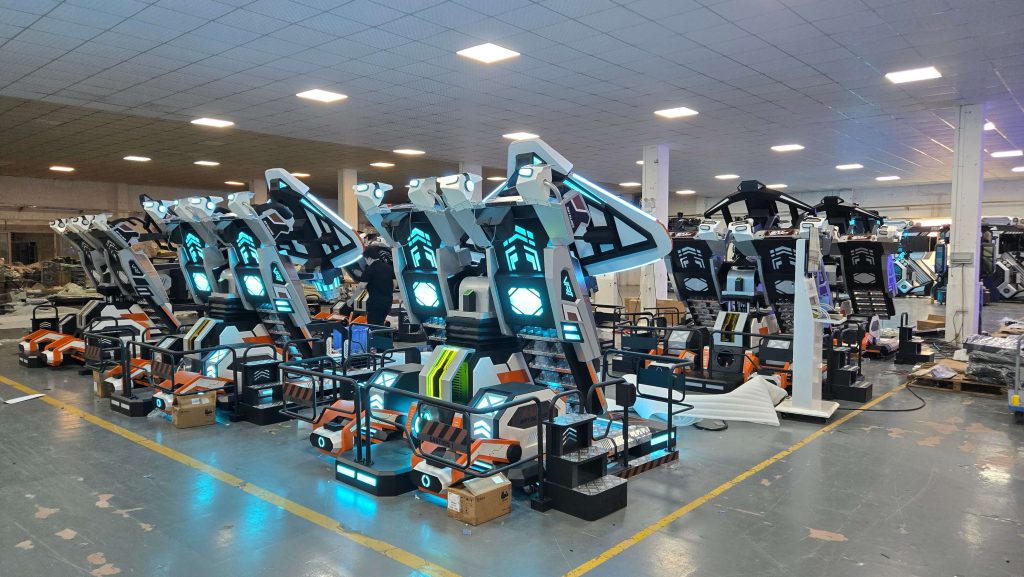
Each Machine Has a Role: Balancing Appeal and Guest-Handling Efficiency
When planning a VR arcade, you can arrange different attractions according to how many people visit together, how much time they have and what kind of experience they are interested in.
| VART VR Product | Experience Highlights | Key Considerations in Whole-Venue Planning |
|---|---|---|
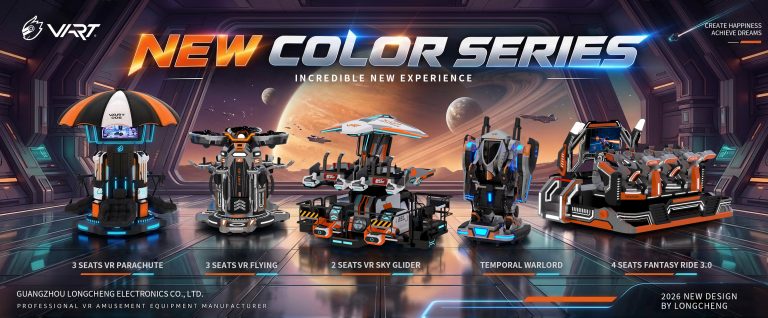
| 2 Seats VR Sky Glider Simulator | Two players share a flight in a forward-facing prone position; the glider-wing design and the machine’s movements are visible from outside the machine | Shared experience for companions, entrance display, and loading space and staff assistance |
| 3 Seats VR Parachute Simulator | Supports 1-, 2- or 3-player arrangements; each seat can start independently and finish at staggered times | Flexible service for walk-in guests, group combinations and seat utilization |
| Interstellar Traveler Immersive Theater | Players wear headsets and walk through a physical space that corresponds to the virtual world, combined with story, motion and environmental effects | Themed experience, entry in batches, gear-up preparation and entry/exit flow |
| Bermuda Adventure Theater | No headset required; audiences watch together through a wraparound screen and motion cabin with environmental effects | Seat count by version for families, friends and groups; scheduling of sessions and boarding/exit |
These products give guests different reasons to play. The two-seat flight lets companions experience a takeoff and a dive together; interactive content lets players take part in the action and feedback; the walk-through immersive theater lets guests step into a story; and the headset-free theater offers a shared viewing experience. Specific content and configuration are confirmed in the project plan.
When putting the whole venue together, match these experiences to your local customer base: Are there many solo visitors? How many friends usually come together? How long are families willing to stay? How should groups be divided? This makes it easier to decide the position and role of each product in the venue.
Throughput: Find Room for Improvement in a Complete Guest Cycle
To know how many guests you can serve per hour, you need to count the whole service process:
Complete service cycle = reception and preparation + boarding and gear-up + the experience itself + exit + cleaning and reset.
Time each stage on site to find where guests mainly wait. If gear-up takes a long time, you can improve the preparation area and staff division of work. If guests concentrate on one attraction, you can use reservations, grouping and recommendations of other attractions to create a smoother experience sequence.
The flexibility of the 3 Seats VR Parachute Simulator is a good example for walk-in guest service: a single guest can start a one-seat session on arrival, two friends can play together, and each seat can start separately and finish at staggered times. For content that supports linked multiplayer competition, sessions are organized to start together according to the relevant rules.
This design helps a venue reduce the wait to gather a group and handle scattered walk-in traffic. Actual throughput still depends on gear-up, briefing, content length and staff records.
For full-sensory theaters, the preparation area, entrance and exit need to be planned together. With the rolling-session version, guests are admitted according to the confirmed entry interval, number of people inside and staffing plan, so the theater can reach its intended service capacity.
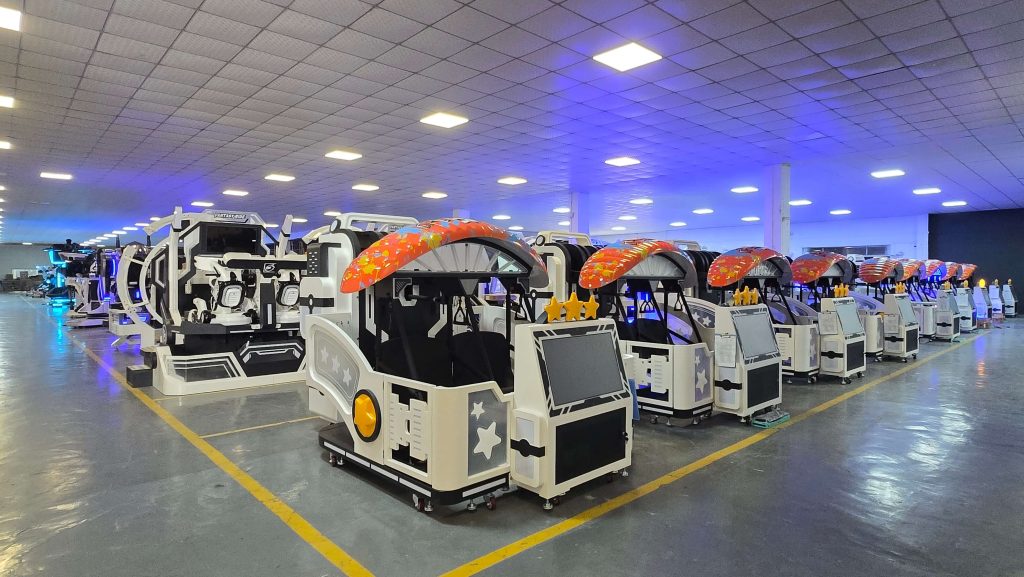
Revenue per Square Meter: Look at Revenue, Area and Service Quality Together
To compare VR arcade revenue per square meter, we recommend using one consistent formula:
Monthly whole-venue revenue per square meter = monthly net revenue from completed services ÷ whole-venue area on the same basis.
Net revenue is calculated after deducting the corresponding refunds and channel fees, and the area should always be measured on the same basis. When you also look at the efficiency of each attraction zone, include the space needed for equipment operation, boarding and exit, staff assistance and maintenance.
For a VART VR whole-venue plan, space optimization comes down to a few concrete tasks: make sure guests at the entrance can easily understand each attraction; make queuing, preparation and exit flow smoothly; let different experiences serve different needs; and let staff easily observe, assist and manage the equipment.
For example, a two-seat machine serves companions, a three-seat machine serves walk-in guests flexibly, and a full-sensory theater provides a complete themed experience. When different attractions complement one another, and are paired with clear pricing, session lengths and service guidance, guests can choose more easily.
During a trial operation, focus on recording peak waiting times, seat utilization, the number of experiences actually completed and net revenue from completed services, then adjust attraction scheduling and staff assignments accordingly. This gives you a basis for continuously checking and improving both throughput and revenue per square meter.
What to Prepare for Your First Inquiry With VART VR
We recommend providing your project city, business type, a CAD or dimensioned floor plan, the minimum ceiling height on site, wall and column positions, entrances and transport routes, your main customer groups, your budget range and your planned opening date.
Based on this, VART VR can start discussions on equipment selection, CAD layout and full-sensory turnkey customization, planning products, content, space and the guest-reception process together. From a factory visit and test session to solution design, production and integration, and installation and training, you can understand step by step how the project will be implemented, and what role each machine plays in the whole venue.