How to Start a VR Arcade Business: A Complete 2026 Business Plan


Key Takeaways
- A successful VR arcade business depends more on location strategy and equipment mix than simply buying expensive machines.
- Shopping malls, cinemas, and family entertainment centers remain the best locations for high-footfall VR venues.
- Combining high-traffic attractions with premium-ticket simulators creates stronger long-term profitability.
- Social media marketing and short-form videos are now essential for driving offline customer traffic.
- Smart investors budget not only for VR equipment, but also for renovation, electricity, staffing, and licensing.
The VR entertainment industry is entering a powerful growth phase in 2026.
For entrepreneurs looking to launch a profitable entertainment business, commercial VR arcades have become one of the most attractive investment opportunities in the market. Compared with traditional arcade models, VR venues offer stronger customer engagement, premium ticket pricing, and viral social media appeal.
But success does not come from simply buying a few VR machines.
The most profitable VR arcades are carefully planned businesses built around location strategy, equipment selection, operational efficiency, and long-term customer retention.
In this complete VR arcade business plan guide, you will learn:
- How to choose the right location
- Which VR simulators generate the best revenue
- How to structure your equipment lineup
- Marketing methods that attract customers
- Realistic startup budgeting considerations
- How to maximize ROI from your VR venue
Whether you are opening a small VR gaming zone or planning a full-scale immersive entertainment center, this guide will help you avoid costly mistakes and build a sustainable business.
Why VR Arcades Continue Growing in 2026
The entertainment industry has changed dramatically over the past few years.
Customers no longer want passive experiences. They want immersion, interaction, and social sharing.
Commercial VR equipment fits perfectly into these trends.
Modern VR arcades attract customers because they combine:
- Gaming
- Motion simulation
- Competitive experiences
- Social interaction
- Visual excitement
- Short-form video appeal
Unlike home VR systems, commercial VR attractions deliver experiences that are difficult to recreate in a living room.
This “cannot experience at home” factor is one of the biggest reasons VR arcades continue expanding globally.
Today, VR entertainment venues are commonly integrated into:
- Shopping malls
- Family entertainment centers
- Cinemas
- Indoor playgrounds
- Theme parks
- Tourism projects
- Resort entertainment areas
For investors, this creates significant business opportunities.
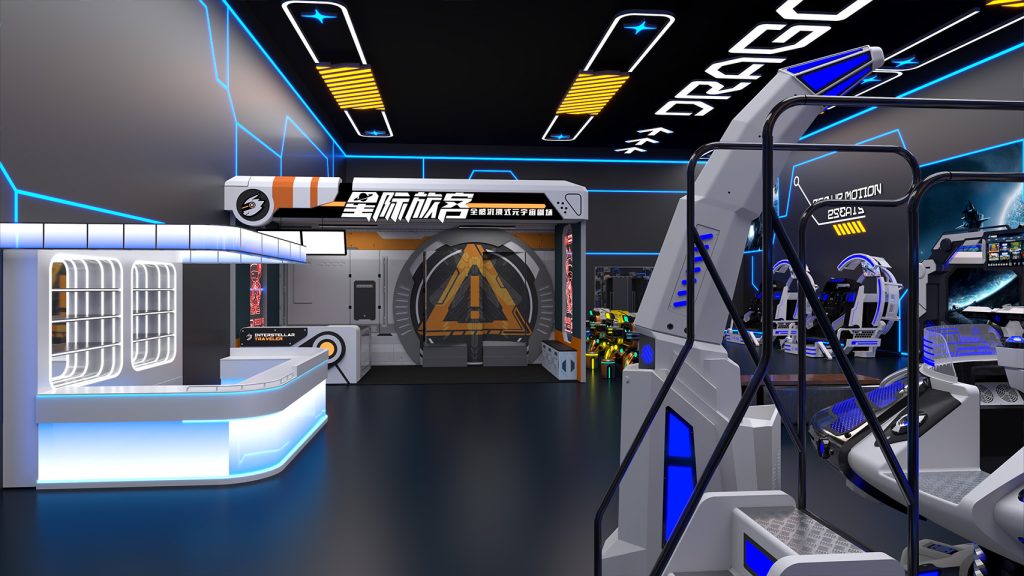
Market Research & Location Selection
A great location can dramatically improve your VR arcade profitability.
Even the best VR simulators will struggle if installed in a low-traffic environment.
Before purchasing equipment, start with careful market research.
Why Shopping Malls Remain One of the Best Locations
Shopping malls continue to be one of the strongest choices for VR arcade businesses.
Why?
Because malls already provide:
- Consistent foot traffic
- Family-oriented visitors
- Long customer dwell time
- Weekend traffic spikes
- Young consumer demographics
VR attractions naturally stand out inside malls because motion platforms and immersive gameplay create visual excitement that attracts attention from passersby.
Many successful operators place high-motion attractions near:
- Food courts
- Cinema entrances
- Main traffic corridors
- Children’s entertainment zones
Visibility matters.
The more attention your machines attract, the lower your customer acquisition cost becomes.
Cinemas and Entertainment Complexes
Movie theaters and entertainment complexes are another excellent option.
These venues already attract customers looking for immersive experiences.
VR arcades complement cinema environments because both industries focus on visual entertainment and emotional engagement.
Many operators use VR attractions to:
- Increase customer waiting-time spending
- Extend visitor stay duration
- Create cross-promotional ticket packages
A VR simulator near a cinema entrance often becomes a natural traffic magnet. However, if you are torn between traditional theater upgrades and new immersive tech, read our comparison on 5D 7D cinema vs VR arcade to see which investment delivers higher profitability.
Family Entertainment Centers (FECs)
Family entertainment centers remain one of the most stable long-term business models for VR entertainment.
FEC visitors typically spend more time on-site compared to mall visitors.
This creates opportunities for:
- Multiple gameplay sessions
- Group experiences
- Birthday party packages
- Membership systems
- Repeat visits
VR simulators work especially well in FECs because they appeal to both teenagers and adults.
Many successful FEC operators combine:
- VR racing simulators
- VR roller coasters
- VR shooting arenas
- VR 360 rotating chairs
- Kid-friendly interactive experiences
This balanced structure increases revenue diversity.
Understanding Audience Preferences in the US & European Markets
Different markets often respond to different types of VR experiences.
Understanding customer behavior is critical before selecting equipment.
US Market Preferences
In the United States, customers often prefer:
- Competitive multiplayer games
- High-intensity motion simulators
- Social experiences
- TikTok-friendly attractions
- Fast-paced gameplay
Popular commercial VR attractions in the US market include:
- VR racing simulators
- VR shooting arenas
- VR roller coaster rides
- Interactive motion platforms
American consumers also respond strongly to visual impact.
Machines with large movement ranges and eye-catching designs often generate stronger customer attention.
European Market Preferences
European customers often prioritize:
- Immersive storytelling
- Premium-quality experiences
- Family-friendly entertainment
- Safety and comfort
- Themed attractions
European venues frequently focus on:
- Group activities
- Interactive adventure experiences
- Longer gameplay sessions
- Hybrid entertainment concepts
For this reason, many operators in Europe invest in premium commercial VR equipment rather than entry-level setups.
Equipment Selection Strategy
One of the biggest mistakes new investors make is choosing machines randomly.
A profitable VR arcade should be carefully balanced.
The goal is not simply “more machines.”
The goal is maximizing:
- Customer traffic
- Revenue per customer
- Replay value
- Social media exposure
- Floor space efficiency
The High-Traffic Attraction Strategy
Some VR machines are excellent at attracting attention.
These are your “traffic machines.”
Examples include:
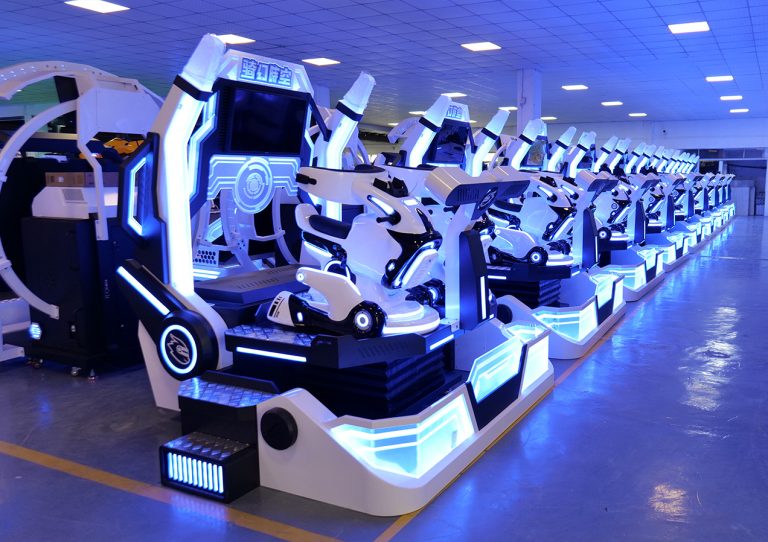
- VR motorcycles
- VR racing simulators
- VR roller coasters
- VR flight simulators
These attractions create movement, noise, and excitement that naturally pull people toward your venue.
Even customers who do not immediately purchase tickets often stop to watch.
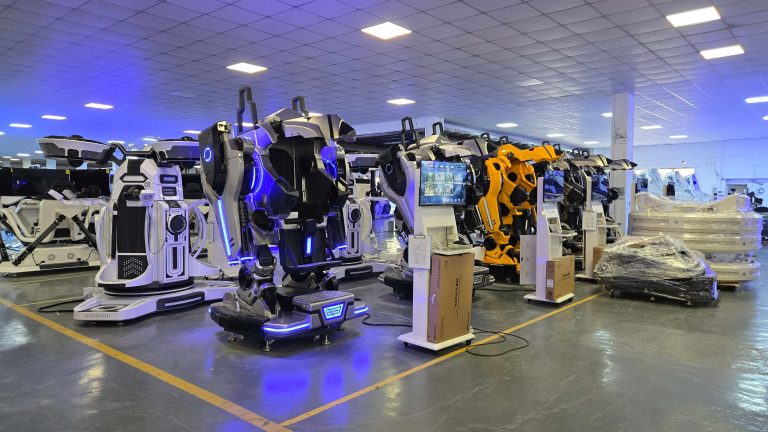
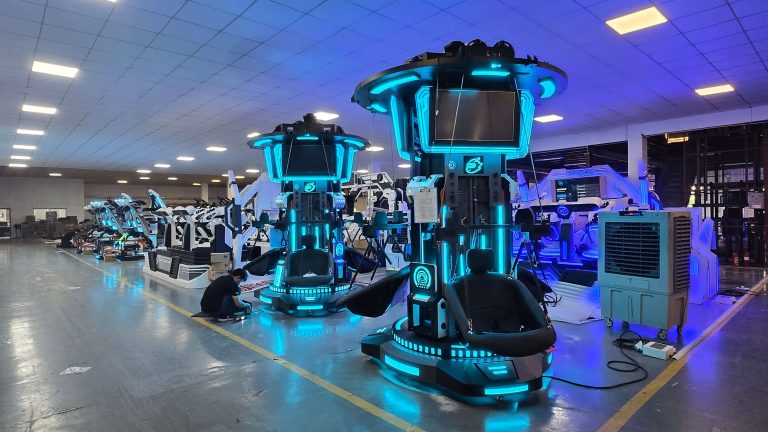
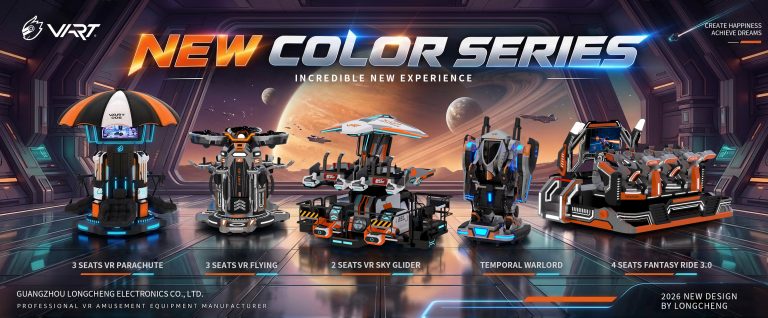
That attention is valuable.VART offers the latest immersive VR simulator products. Learn more about our factory standards and why global operators trust us as their leading VR simulator manufacturer in China.
The High-Profit Attraction Strategy
Other machines may not attract massive crowds immediately, but they generate stronger ticket pricing and higher profit margins.
Examples include:
- VR 360 rotating chairs
- Multiplayer VR arenas
- Premium motion simulators
- Large immersive platforms
These attractions often support:
- Higher ticket prices
- Longer gameplay sessions
- VIP experiences
- Group packages
A smart VR arcade combines both categories. If you are looking for specific high-performance models, explore our curated list of the best commercial VR simulators for sale to choose the right fit for your center.
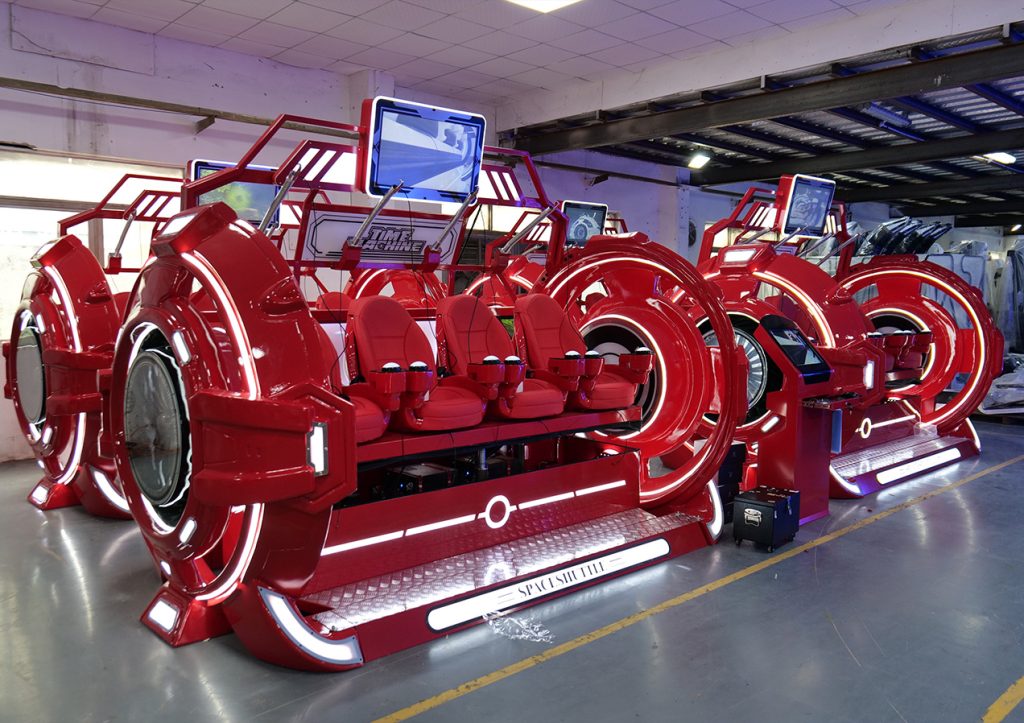
Recommended Equipment Mix for Beginners
| Equipment Type | Main Purpose | Recommended Ratio |
|---|---|---|
| High-Traffic Simulators | Customer attraction | 40% |
| Premium VR Experiences | High ticket pricing | 40% |
| Family/Kids Attractions | Audience expansion | 20% |
This structure creates balance between visibility and profitability.
Why Space Planning Matters
Commercial VR equipment requires proper layout planning.
Poor spacing can create:
- Traffic bottlenecks
- Safety risks
- Weak customer flow
- Reduced visual impact
Professional VR venue design usually considers:
- Walking paths
- Waiting areas
- Observation zones
- Safety boundaries
- Equipment visibility
- Customer photography spots
At VART VR, many operators request customized VR arcade layouts before purchasing equipment because efficient space planning directly affects long-term revenue.
Operation & Marketing Tips
Opening a VR arcade is only the beginning.
Marketing determines whether your venue becomes consistently profitable.
Why TikTok and Instagram Matter for VR Arcades
VR attractions naturally generate highly shareable content.
Motion, reactions, excitement, and immersive gameplay perform extremely well on short-form video platforms.
Many successful VR venues now rely heavily on:
- TikTok videos
- Instagram Reels
- YouTube Shorts
- Facebook Reels
A single viral customer video can generate thousands of local impressions.
This is why visually dramatic VR simulators often outperform basic static VR setups in real-world business performance.
Create “Watchable” Attractions
Some machines are fun to play.
Others are fun to watch.
The best VR arcade equipment does both.
Machines with visible motion and strong customer reactions naturally encourage spectators to record videos and share content online.
This creates free marketing.
Membership Systems Increase Repeat Revenue
One-time visitors are helpful.
Returning customers are far more valuable.
Membership systems can improve customer retention significantly.
Common strategies include:
- Recharge bonus systems
- Monthly membership cards
- Group discounts
- Birthday rewards
- VIP gameplay packages
- Seasonal events
These systems increase customer lifetime value while stabilizing monthly revenue.
Promotional Events That Work Well
Popular VR arcade promotions include:
- Weekend tournaments
- Family packages
- Couple experiences
- Influencer collaboration events
- Student discounts
- Holiday campaigns
The key is keeping the venue active and socially visible.
VR Arcade Startup Budget Breakdown
Many first-time investors underestimate startup costs.
Equipment is important, but it is only one part of the business.
A realistic VR arcade business plan should include all major operational expenses.
Commercial VR Equipment
This is usually the largest initial investment.
Pricing depends on:
- Machine category
- Motion complexity
- Multiplayer capability
- Software packages
- Quantity purchased
Many operators reduce costs through bundled package deals. To help you budget accurately, check out our comprehensive analysis on commercial VR arcade machine price and ROI to see cost ranges and payback periods.
Renovation and Interior Design
A strong visual atmosphere improves customer experience dramatically.
Typical renovation costs include:
- Lighting
- Flooring
- Branding
- Signage
- Sound systems
- Decorative structures
Immersive design helps justify premium ticket pricing.
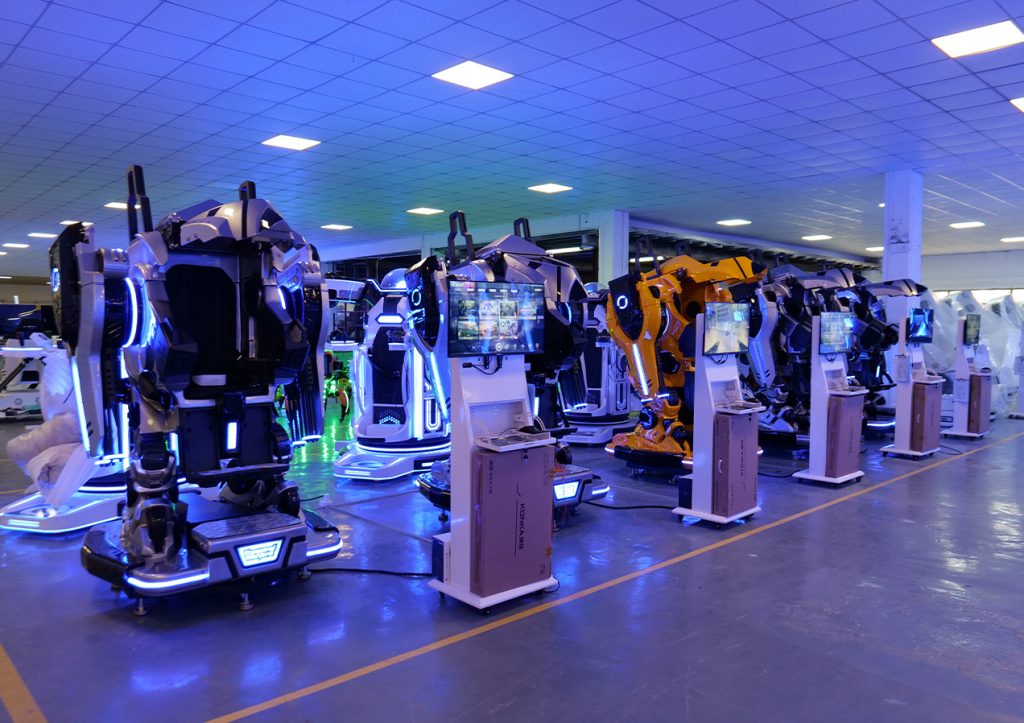
Electrical Infrastructure
Commercial VR simulators often require stable electrical systems.
Potential expenses include:
- Wiring upgrades
- Power distribution
- Safety systems
- Backup protection
- Air conditioning support
This step should never be overlooked.
Licenses and Compliance
Depending on your country or region, you may require:
- Business licenses
- Entertainment permits
- Fire safety approvals
- Insurance coverage
Research local regulations early in the planning process.
Staffing and Training
Even highly automated VR venues still require:
- Operators
- Cashiers
- Technical support
- Cleaning staff
Well-trained employees improve customer satisfaction and reduce equipment misuse.
Common Mistakes New VR Arcade Investors Make
Learning from other operators can save significant money.
Here are some common mistakes:
Choosing equipment only based on low price
Cheap machines often lead to higher maintenance costs and weaker customer experience.
Ignoring space planning
Poor layouts reduce customer flow and visual attraction.
Buying too many similar machines
Lack of variety reduces replay value.
Underestimating marketing
Even great venues require continuous promotion.
Failing to update attractions
Customers expect fresh content and new experiences.
Final Thoughts — Building a Profitable VR Arcade Business in 2026
The VR entertainment industry continues evolving rapidly.
For entrepreneurs willing to plan carefully, commercial VR arcades offer strong long-term potential.
Success comes from combining:
- The right location
- The right equipment mix
- Effective marketing
- Strong customer experience
- Smart operational planning
The most profitable VR arcades are not necessarily the biggest.
They are the venues that create memorable experiences customers want to revisit and share online.
If you are planning to start a VR arcade business, professional planning support can dramatically reduce startup risks while improving long-term profitability.
Get customized commercial VR equipment recommendations, venue planning assistance, and free VR site design solutions from VART VR
FAQ
How much does it cost to start a VR arcade business?
Startup costs vary depending on venue size, equipment selection, renovation requirements, and local operating expenses. Small VR setups require lower investment, while large immersive entertainment centers require more comprehensive planning and equipment packages.
What is the best location for a VR arcade?
Shopping malls, cinemas, and family entertainment centers are among the best locations because they provide strong foot traffic and entertainment-focused audiences.
Which VR machines generate the highest ROI?
High-traffic attractions such as VR racing simulators and premium-ticket attractions like VR 360 rotating chairs often deliver strong profitability when combined strategically.
Is social media important for VR arcade marketing?
Yes. Platforms such as TikTok, Instagram, and YouTube Shorts are extremely effective because VR gameplay naturally creates highly shareable video content.
How can I attract repeat customers to my VR arcade?
Membership systems, seasonal promotions, tournaments, and regularly updated game content are highly effective for improving customer retention.