How to Start a VR Arcade Business?


Introduction
The global virtual reality industry has evolved from a niche entertainment concept into a multi-billion-dollar commercial sector. As VR hardware becomes more immersive and affordable, VR arcades—also known as VR experience centers, VR theme parks(For more details, please refer to the article on VR theme park costs), and VR amusement studios—are becoming a highly profitable business model worldwide. Entrepreneurs, mall operators, and entertainment startups are increasingly evaluating how to start a VR arcade business and how to operate it successfully.
This comprehensive guide offers a complete, step-by-step breakdown of how to start a VR arcade business. It covers everything from market research, business model selection, space planning, VR arcade machine selection, budgeting, installation, staffing, operations, marketing strategies, and long-term ROI optimization. To better understand the equipment behind these attractions, you can also read our guide: What Is a VR Simulator.Written in an educational, expert tone, this article aims to serve as the most authoritative reference for investors planning to enter the VR entertainment industry in 2025 and beyond.
1. What Is a VR Arcade Business?
A VR arcade is a location-based entertainment venue that offers immersive virtual reality experiences using dedicated VR arcade machines, motion platforms, VR simulators, and multiplayer VR systems. Unlike home VR, which is limited by space and hardware cost, VR arcades allow customers to enjoy premium VR attractions such as:
- VR Motion Chairs
- 360 VR Simulator
- VR Cinema (multi-seat)
- VR Motorcycle / VR Racing Moto Simulator
- VR Submarine and VR Flight Simulator
- Multiplayer VR Shooting Simulator
- Children’s VR Machines
- Walk-through or room-scale VR experiences
These attractions are installed within a commercial venue, typically 100–800 square meters, depending on the business model.
VR arcades generate revenue through:
- Per-play ticket sales
- Time-based sessions
- Membership or monthly passes
- Event packages
- Birthday party bookings
- Corporate team-building events
Because VR equipment provides high-impact entertainment with relatively small footprint demands, VR arcades are one of the most profitable modern amusement formats.
If you are planning to start a VR arcade, having a clear business structure and the right equipment is essential. Explore our complete “VR arcade business solutions for the US market“.
2. Why VR Arcades Are Growing Worldwide?
Before learning how to start a VR arcade business, it’s important to understand why this industry is expanding rapidly.
2.1 Accessible Investment Size
Compared to traditional amusement centers—bowling alleys, trampoline parks, indoor playgrounds—VR arcades require significantly lower upfront investment. You can start small with 4–6 VR machines and scale up later.
2.2 High Revenue per Square Meter
Because VR machines have compact footprints and strong consumer pull, they generate higher revenue density than traditional attractions.
2.3 Repeat Experience Behavior
VR content libraries allow arcades to:
- Keep customers coming back
- Continuously refresh experiences
- Promote seasonal game updates
Repeat traffic significantly boosts long-term revenue.
2.4 Strong Social Media Appeal
VR attractions are inherently shareable. Customers record reactions, post videos, and create word-of-mouth exposure—free marketing for the operator.
2.5 Thrill & Immersion Impossible at Home
Home VR systems cannot replicate:
- 360-degree rotating simulators
- 6-DOF motion platforms
- Multi-seat VR cinemas
- Industrial-grade racing simulators
These high-thrill experiences drive customers to VR arcades.
3. Step 1: Conduct Market Research
Your VR arcade’s success begins with understanding your local market.
3.1 Identify Target Customer Segments
Common VR arcade audiences include:
- Teenagers and young adults
- Families with children
- Shopping mall traffic
- Students
- Corporate groups
- Tourists
- Gamers
Understanding who your primary customers are will influence your VR machine selection, pricing strategy, and marketing.
3.2 Analyze Local Competition
Study existing venues:
- Traditional arcades
- Family entertainment centers
- Indoor playgrounds
- Movie theaters
- Trampoline parks
- Gaming studios
Check what VR offerings they have—and more importantly, what they lack.
3.3 Determine Market Gap and Opportunity
Your value proposition may be:
- “The first large VR experience center in the city”
- “The most immersive VR rides in the region”
- “A premium VR theme park with motion simulators”
- “The best multiplayer VR shooting arena”
- “A family-friendly VR entertainment zone”
4. Step 2: Choose the Right Business Model
When learning how to start a VR arcade business, selecting your business model determines your investment size and long-term operations.
4.1 Standalone VR Arcade (100–300 sqm)
Ideal for:
- Small shopping malls
- High-traffic commercial areas
- Entrepreneurs with mid-level budgets
4.2 VR Zone Inside a Larger Entertainment Center (50–150 sqm)
Suitable for:
- Operators adding VR to bowling, billiards, arcades
- Existing amusement centers wanting new experiences
4.3 Medium to Large VR Experience Center (300–800 sqm)
Best for:
- Investors targeting higher returns
- Malls needing a flagship attraction
- Cities lacking modern entertainment options
4.4 Mobile VR Trailer or VR Truck
This model is growing rapidly and attracts:
- Event organizers
- Schools
- Corporate bookings
- Outdoor festivals
4.5 VR Theme Park (1,000 sqm or more)
Full-scale immersive parks combining:
- VR rides
- AR attractions
- Motion simulators
- Interactive games
- Multiplayer areas
This model requires larger investment but offers the highest branding impact.

5. Step 3: Choosing the Right Location
Your location contributes up to 50% of your VR arcade’s success.
5.1 High-Traffic Areas Work Best
Ideal locations include:
- Shopping malls
- Tourist zones
- Cinemas
- University areas
- Commercial districts
- Family entertainment corridors
5.2 Space Requirements
A small VR arcade can start with:
- 80–150 sqm (minimum)
- 200–400 sqm (recommended)
Large VR centers often require:
- 400–800 sqm for multiple zones
- A minimum ceiling height of 3m
5.3 Foot Traffic vs. Rental Costs
The best ROI locations are:
- Medium-rent areas
- Stable traffic flow
- Good accessibility
- 8–12 hours of daily foot traffic
6. Step 4: VR Arcade Space Planning & Layout Design
Proper space planning directly impacts customer flow, safety, machine performance, and revenue potential.
A well-designed VR arcade should include:
6.1 Entrance Attraction Zone (High Visibility)
Place the most eye-catching VR machines near the front, such as:
- 360 VR Simulator
- VR Cinema (multi-seat)
- VR Motion Chair
- VR Racing Moto Simulator
This attracts walk-by traffic and increases impulse purchases.
6.2 Core Experience Zone (Medium Depth)
This zone contains:
- VR Motorcycle
- VR Submarine
- VR Flight Simulator
- Children’s VR Machine
- 2–3 multiplayer VR simulators
It should be spacious enough for players and spectators.
6.3 Family & Group Zone (Deeper Inside)
Good for:
- VR Cinema
- Multiplayer VR Shooting Simulator
- VR Theater attractions
Families tend to stay longer and generate bundled sales.
6.4 Technical & Staff Area
At least 10–20 sqm for:
- Storage
- Spare parts
- Charging racks
- VR headset maintenance
- PC equipment and networking
6.5 Safety Considerations
Follow these layout principles:
- Minimum 1–1.5m spacing between machines
- Avoid headset cables in walkways
- Clear exit paths
- No strobe-light machines near children’s areas
- Separate “motion simulator zone” from quieter, calmer games
A well-planned layout improves customer flow and maximizes turnover.
7. Step 5: Choosing the Right VR Arcade Machines
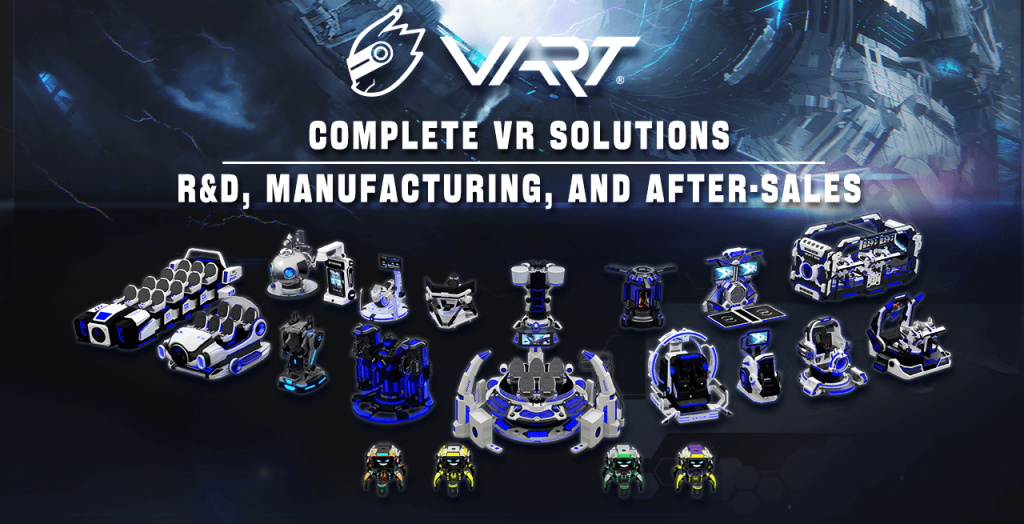
Selecting the correct VR equipment is one of the most important steps in learning How to Start a VR Arcade Business.
Your revenue, reliability, and customer satisfaction depend heavily on machine choice.
Below is a full breakdown of VR arcade equipment categories and how they contribute to your business.
7.1 High-Thrill Motion Simulators (Must-Have)
These machines generate the highest excitement, strongest reactions, and fastest ROI:
360 VR Simulator / 360 Degree VR Machine
- 360-degree rotation
- Suitable for thrill-seekers
- Social media viral potential
- Excellent for front-zone placement
VR Motion Chair / VR 9D Chair
- Multi-axis motion
- Suitable for all ages
- Usually 1–4 seats
VR Flight Simulator
- 6-DOF movement
- Flying, roller coaster, action content
These machines often bring 30%–40% of total revenue.
7.2 VR Cinema & Multi-Seat Experiences (Group Play)
VR Cinema (3–12 seats)
Ideal for families, kids, and group customers.
Benefits:
- High throughput
- Good for birthday bookings
- Low staff requirement
VR Cinema machines create stable daily revenue.
7.3 Racing Simulators (Top Repeat Experience Machines)
VR Racing Moto Simulator / VR Motorcycle
- High-speed racing
- Strong competitive appeal
- Great for teens and young adults
- Encourages repeat visits
VR Car / VR Driving Simulator
- Wheel + pedal experience
- Suitable for malls and arcades
These machines are excellent for customers who return for competition.
7.4 Multiplayer VR Shooting Simulator (High Engagement)
This category usually generates:
- High engagement
- Team play
- Group excitement
- Strong retention
Multiplayer VR Shooting Simulator is essential for attracting:
- Gamers
- Teenagers
- Young adults
- Group events
7.5 Family & Kids VR Machines
Children’s VR Machine
Designed for ages 4–12.
Why it’s important:
- Parents spend easily on kids
- Children contribute to high repeat business
- Family-friendly machines diversify your venue
7.6 Specialty VR Attractions (Differentiators)
To stand out from local competitors:
- VR Submarine
- VR Horse Racing
- VR Dance Machine
- VR Skateboard
These add uniqueness to your VR arcade and support marketing themes.
8. Step 6: Budget Planning & Cost Structure
One of the most common questions for new investors is:
“How much does it cost to start a VR arcade business?”
For a deeper financial analysis, you can refer to a complete guide on how much to invest in a VR arcade, which outlines startup budgets and operational expenses.
The answer depends on:
- Location size
- Machine quantity
- Machine types
- Decoration
- Staffing
- Storefront design
- Local rent levels
Below is a professional cost breakdown.
8.1 VR Arcade Startup Cost Table (Reference)
| VR Arcade Size | VR Machines | Startup Budget |
|---|---|---|
| Small (80–150 sqm) | 4–6 machines | $30,000–$80,000 |
| Medium (200–350 sqm) | 6–12 machines | $80,000–$180,000 |
| Large (400–800 sqm) | 12–20 machines | $150,000–$350,000+ |
| VR Theme Park (1000+ sqm) | 20+ machines | $300,000–$700,000+ |
8.2 Major Cost Components
1. VR Machines (70% of budget)
Your biggest cost and your biggest revenue source.
2. Rent (10–15%)
High-traffic areas = better ROI.
3. Decoration & Construction (5–10%)
4. Electrical Setup & Cabling (2–5%)
5. Staff Salary (5–10%)
6. Marketing (1–3%)
7. Contingency (5–10%)
A realistic budget plan ensures stable operations from day one.Startup cost plays a crucial role in long-term profitability and ROI. Learn more about how “VR arcade startup cost impacts profitability in the USA“.
9. Step 7: VR Content & Game Selection
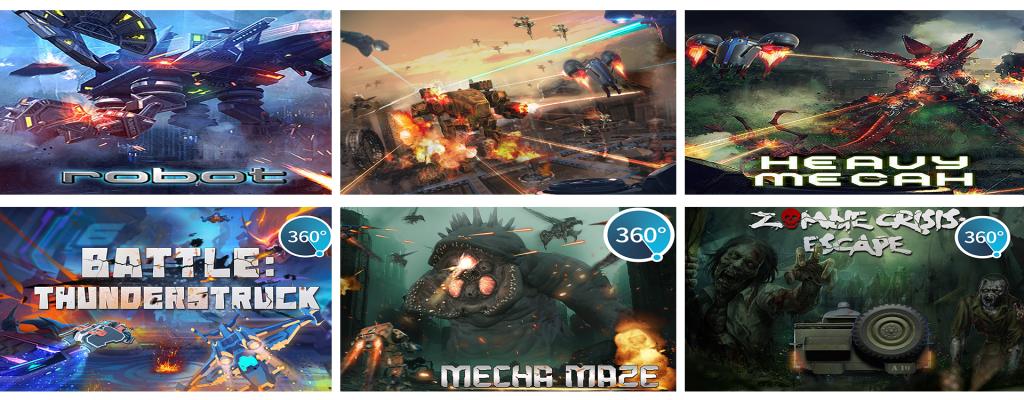
High-quality VR content determines:
- Customer satisfaction
- Repeat visits
- Word-of-mouth
- Social media sharing
You should include:
9.1 Thrill Experiences
- Roller coasters
- Space missions
- Haunted houses
- Flight simulators
9.2 Competitive Racing Games
- Motorbike racing
- Car racing
- Extreme sports
9.3 Multiplayer Action Games
Especially for VR Shooting Simulator.
9.4 Family & Kids Content
- Cartoon adventures
- Animal rides
- Fantasy worlds
9.5 Short, Replayable Experiences
4–8 minute games maximize:
- Customer turnover
- Daily revenue
- Play frequency
10. Step 8: Installation, Setup & Technical Configuration
Installing a VR arcade involves more than simply placing machines.
10.1 Power Configuration
Large VR simulators require stable power distribution.
10.2 Network Setup
Multiplayer and leaderboard features require:
- Local network
- Stable WiFi
- Router configuration
10.3 Machine Calibration
Simulators must be calibrated for:
- Motion accuracy
- Safety
- Sensor alignment
10.4 Safety Testing
Check:
- Emergency stops
- Machine movement limits
- Seating stability
- Child safety requirements
10.5 Staff Technical Training
Staff should be trained on:
- Daily maintenance
- Safety checks
- Reboot procedures
- Quick troubleshooting
11. Step 9: Staffing & Training
Running a VR arcade requires a small but well-trained team.
Your staffing plan generally includes:
11.1 Minimum Staff Structure for Small Arcades
- 1–2 Operators
- 1 Cashier / Reception
- 1 Part-Time Technician (or remote support from supplier)
11.2 Staff Required for Medium to Large VR Arcades
- 2–4 Operators
- 1–2 Cashiers
- 1 Full-Time Technician
- 1 Supervisor / Manager
- 1 Marketing Assistant (optional but recommended)
11.3 Essential Staff Skills
- Customer service
- VR headset hygiene and handling
- Machine operation
- Basic troubleshooting
- Guiding customers and ensuring safety
Proper staff training reduces downtime and improves customer experience dramatically.
12. Step 10: VR Arcade Marketing & Promotion Strategies
Marketing determines how quickly your VR arcade gains traction.
Here are proven strategies used by successful operators worldwide:
12.1 Mall Traffic Conversion
If you are in a mall:
- Stand-up banners
- LED screens
- Staff demoing games in front of the store
- Strong lighting and visibility
This alone can convert 10–25% of walk-by traffic.
12.2 Social Media Short-Form Videos
VR content performs extremely well on:
- Instagram Reels
- TikTok
- YouTube Shorts
- Snapchat
Focus on:
- Thrilling reactions on 360 VR Simulator
- Multiplayer battle scenes
- Family VR Cinema moments
- Funny VR fails
These videos often go viral.
12.3 Influencer Collaboration
Invite local influencers for free trials.
They will generate:
- Authentic content
- Word-of-mouth
- Long-term branding
- Local awareness
12.4 Local Ads & Google Maps Ranking
Key platforms:
- Google Business Profile
- Google Maps SEO
- Facebook Ads
- Instagram Ads
Customers search for:
- “VR arcade near me”
- “VR games in [city]”
- “Best entertainment in [city]”
A strong local SEO presence can constantly generate organic traffic.
13. Step 11: Pricing Strategy
Your pricing should follow:
13.1 Pay-Per-Play Model (Most Common)
Each VR ride costs:
- $3–$8 for small rides
- $5–$15 for simulators
- $8–$20 for premium 360 VR Simulator or VR Cinema
13.2 Package Tickets (Higher Profit)
Examples:
- 3 games bundle
- 5 games pass
- Unlimited 1-hour pass
- Family pass
Packages significantly boost revenue.
13.3 Membership & Loyalty System
Offer:
- Weekly passes
- Monthly membership
- Student discounts
- Point reward system
Repeat customers are your most profitable segment.

14. Step 12: Daily Operations & Maintenance Management
To keep a VR arcade running smoothly, operators must focus on:
14.1 Equipment Maintenance
VR arcade machines require:
- Daily cleaning
- Cable inspection
- Motion seat calibration
- Dust management
- Software updates
- PC / GPU health monitoring
14.2 Hygiene Management
VR headsets must be sanitized after every use.
14.3 Customer Flow Management
Organize players by:
- Queue systems
- Timed slots
- Efficient turnover
14.4 Downtime Reduction
A VR machine that is not operating = direct revenue loss.
Daily checks can reduce downtime by 50% or more.
15. VR Arcade Business Profitability Analysis
Understanding how to start a VR arcade business also requires knowing how profitable it can be.
15.1 Average Ticket Price
Depending on region:
- $5–$12 per game (global average)
15.2 Daily Customer Volume
Typical ranges:
- Low traffic: 40–70 visitors/day
- Moderate: 80–150 visitors/day
- Strong: 150–300+ visitors/day
15.3 Expected Monthly Revenue
For medium-sized VR arcades (6–10 machines), monthly income often falls between:
- $20,000–$60,000+ depending on region and traffic.
Large VR centers can reach:
- $70,000–$150,000+ per month
15.4 ROI Timeline
Most successful VR arcades recover investment in:
- 6–12 months (small/medium centers)
- 12–18 months (larger setups)
16. Common Mistakes to Avoid
Avoiding these mistakes is essential for long-term success.
16.1 Buying the Wrong Machines
Cheap VR machines often lead to:
- Frequent breakdowns
- Poor motion performance
- Customer dissatisfaction
- Bad reviews
16.2 No Marketing Budget
Marketing is essential for visibility.
16.3 Poor Location Choice
A bad location can kill even the best VR arcade.
16.4 Lack of Staff Training
Untrained staff = unsafe operations + poor customer experience.
16.5 Poor Layout Design
Machines placed too close cause:
- Safety hazards
- Customer discomfort
- Lower play counts
Professional VR Simulator Manufacturer
VART is a professional manufacturer specializing in commercial VR simulators and turnkey VR entertainment solutions for global entertainment venues.With extensive experience in the VR industry, VART provides a wide range of VR simulators, including motion-based VR rides, multiplayer VR systems, and immersive VR attractions.VART solutions are widely used in shopping malls, theme parks, VR arcades, and family entertainment centers worldwide, helping operators create engaging and profitable entertainment experiences.

17. Real Case Examples (Strengthening Authority)
These real-world VR arcade projects demonstrate how proper planning leads to success.
(The following examples are adapted from VART’s actual cases and do not involve internal details. Please click on VART VR Solutions for more information.)
17.1 India – ATMOS 500 sqm VR Center
- 16 VR machines
- Included 360 VR Simulator, VR Cinema, VR Motorcycle, VR Submarine
- Became the largest VR center locally
- Achieved strong revenue and opened a second branch
17.2 Dubai / Abu Dhabi – 800 sqm VR Project
- High-end VR Cinema + 360 VR Simulator + VR Warrior
- Full professional team installation
- Optimized layout after 10+ design revisions
- Delivered strong customer satisfaction
17.3 USA – Mobile VR Trailer
- Combined 4-seat VR Cinema + 360 VR Chair
- Solved space limitations through mobile design
- Low investment, high flexibility
17.4 Azerbaijan – 90 sqm VR Center
- 6-machine combination
- Focused on maximizing return in limited space
- Excellent ROI within first months
18. Conclusion
Starting a VR arcade business in 2025 offers tremendous potential for investors. The combination of affordable entry cost, high customer demand, immersive VR simulators, and flexible business models creates a powerful opportunity for long-term profitability.
By following the structured steps outlined in this guide—market analysis, business model selection, machine choice, budgeting, installation, operations, and marketing—you can create a VR arcade that delivers:
- High ROI
- Strong customer satisfaction
- Scalable business growth
- Long-term brand value
Whether you are planning a small 100 sqm VR arcade or a 1000 sqm VR theme park, success ultimately depends on:
- Choosing reliable VR arcade machines
- Professional site planning
- High-quality content
- Operational excellence
- Consistent marketing
With the right strategy and equipment, a VR arcade can become one of the most exciting and profitable entertainment businesses in your region.For more information on VR simulators, please contact VART.
FAQ – VR Arcade Business & VR Equipment
1. How much does it cost to start a VR arcade business?
The cost to start a VR arcade business depends on your location, venue size, and the number of VR arcade machines you install. Small VR arcades (around 80–150 sqm) usually require an investment of about USD $30,000–$80,000. Medium-sized VR experience centers (200–350 sqm) often need USD $80,000–$180,000, while large VR theme park–style venues (400–800+ sqm) can range from USD $150,000–$350,000 or more.
When planning your VR arcade investment cost, you should consider VR equipment pricing, rent, decoration, staff, marketing, and ongoing maintenance.
2. What equipment do I need to start a VR arcade?
A professional VR arcade typically combines several types of attractions, including:
- Standalone VR arcade machines
- Motion-based VR simulators and 360 VR simulators
- Multi-seat VR Cinema or VR Theater systems
- VR Racing Moto Simulator or VR Motorcycle experiences
- Flight-themed simulators such as a VR Flight Simulator
- Multiplayer VR shooting simulators
- Children’s VR machines for family entertainment
The ideal VR equipment mix depends on your target audience, venue size, and whether you want a compact VR arcade or a more complete location-based entertainment (LBE) center.
3. How many VR machines should a VR arcade have?
A small VR arcade can operate with 4–6 machines, focusing on a few high-impact simulators. Medium-sized VR centers usually install 6–12 VR arcade machines to offer more variety. Large VR experience centers or VR parks may have 12–20 machines or more, with racing simulators, VR Cinema, motion chairs, and multiplayer shooting games.
The key is to balance thrill rides, family-friendly content, and replayable experiences so customers of different ages find something they enjoy.
4. Is a VR arcade a profitable business?
Yes, a well-planned VR arcade can be highly profitable. Because VR machines have a small footprint and high ticket prices, the revenue per square meter can be much higher than traditional arcades. Many operators recover their initial investment within 6–12 months for small or medium projects, and 12–18 months for larger VR experience centers.
Profitability depends on:
- Location and foot traffic
- VR simulator selection
- Pricing strategy
- Operational efficiency
- Marketing and social media exposure
When done properly, a VR amusement business can become a stable and scalable income source.
5. What is the most popular VR arcade machine?
High-thrill and visually impressive machines tend to perform best. Popular choices include the 360 VR Simulator, multi-seat VR Cinema, competitive VR Racing Moto Simulator, and multiplayer VR shooting simulators.
Family-oriented operators also see strong performance from Children’s VR machines and group attractions such as 4-seat VR theaters. The most profitable VR machine mix usually combines thrill rides, racing simulators, shooting games, and family experiences.
6. How much space do I need to open a VR arcade?
You can start a small VR arcade with 80–100 sqm, especially if you focus on a few high-return VR simulators. For a more complete VR experience center with multiple zones, 200–400 sqm is ideal. Large VR arcades or hybrid VR theme park concepts usually require at least 400–800 sqm.
Besides square meters, you should also check ceiling height, ventilation, power distribution, and customer flow paths.
7. Do I need technical staff to run a VR arcade?
You don’t necessarily need a full engineering team, but you should have at least one person who understands basic VR equipment maintenance. Day-to-day operation can be handled by trained attendants, while technical support may be provided by your VR machine supplier or remote service team.
Critical tasks include:
- VR headset cleaning and hygiene
- Checking cables, sensors, and motion platforms
- Restarting software and PCs when needed
- Running regular safety checks on VR simulators
8. What business model should I choose for a VR arcade?
Common business models include:
- Pay-per-play VR tickets
- Time-based passes (30–60 minutes)
- Bundled game packages
- Membership or monthly passes
- Group bookings and birthday parties
- Corporate events and team-building VR sessions
The best VR arcade business model for you depends on your local market, customer demographics, and venue type. Many operators combine walk-in ticketing with event-based bookings to maximize revenue.
9. How do I market a VR arcade effectively?
Effective VR arcade marketing usually combines online and offline channels:
- Posting short-form videos of customers playing on the 360 VR Simulator or VR Racing simulators
- Running local ads on Google Maps, Instagram, Facebook, and TikTok
- Collaborating with influencers or local content creators
- Offering soft-opening discounts, family packages, and student promotions
- Using in-mall signage to convert foot traffic
Because VR is highly visual and emotional, it is perfect for social media promotion and experience-based marketing.
10. What is the biggest challenge in running a VR arcade?
The biggest challenges usually include choosing reliable VR equipment, reducing machine downtime, finding the right location, and keeping content updated. Some new operators also underestimate the importance of staff training, customer experience, and long-term maintenance.
Working with a professional VR arcade machine supplier, planning a realistic budget, and building a clear VR arcade business strategy can significantly reduce these risks.