How Much Does It Cost to Start a VR Arcade or Theme Park? (2026 Investment Guide)


Introduction
Starting a VR arcade or theme park is both an exciting opportunity and a serious investment. Virtual reality has evolved from a futuristic concept into a booming entertainment industry — and in 2026, VR arcades and theme parks remain one of the most profitable models in immersive entertainment.
Whether you’re planning a compact arcade kiosk in a shopping mall or a full-scale VR theme park, the first question is always the same: how much does it actually cost, and how fast can you expect a return?
This guide covers real startup cost ranges across every investment tier, what drives those costs up or down, how a VR arcade compares to a full theme park model, and realistic ROI timelines — so you can budget with confidence before you invest.
VART, a global VR arcade equipment manufacturer with over 15 years of experience, shares professional insights below to help you plan smart and build a profitable VR business from the ground up.
1. Understanding the Business Model
Before diving into the numbers, define what kind of business you want to build. Investment varies significantly depending on park size, location, and target audience:
- Small VR Arcade — compact setups in malls or shopping centers with a few machines and short sessions.
- Medium VR Center — larger spaces with multiple zones, multiplayer areas, and a small cinema section.
- Full VR Theme Park — an immersive entertainment space with a variety of simulators, rides, and themed zones for all age groups.
Each model has different space requirements, staffing needs, and cost levels. A clear business concept helps you estimate expenses accurately before you commit — for a step-by-step launch roadmap once you’ve settled on a model, see our VR arcade business plan guide.
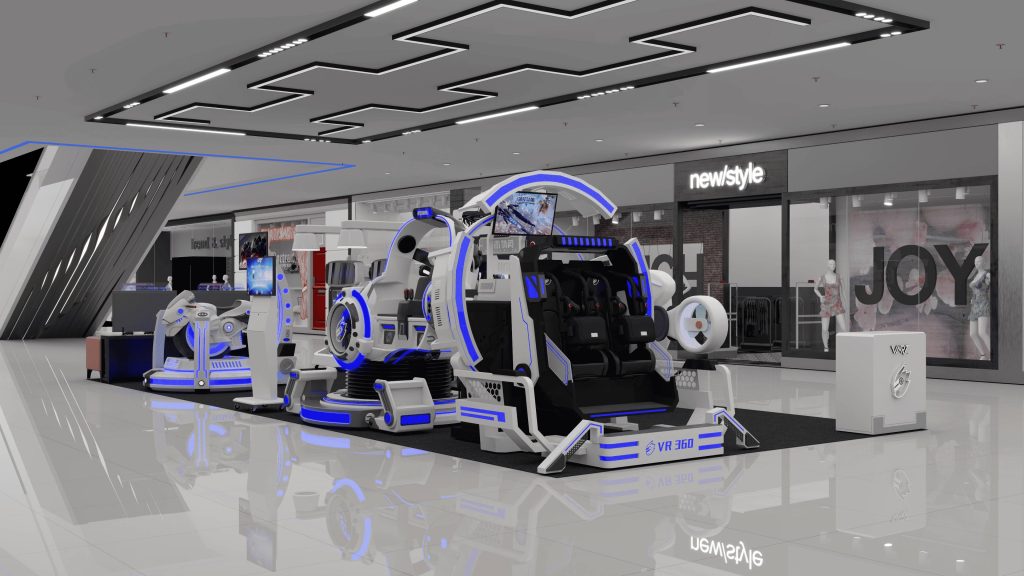
2. Startup Cost Breakdown by Investment Tier
Based on VART’s installation data from over 90 countries, here’s what each investment tier typically requires:
| Tier | Space Size | Equipment | Approx. Investment (USD) |
|---|---|---|---|
| Small VR Zone | 30–60 m² | 3–5 VR arcade machines | $25,000–$50,000 |
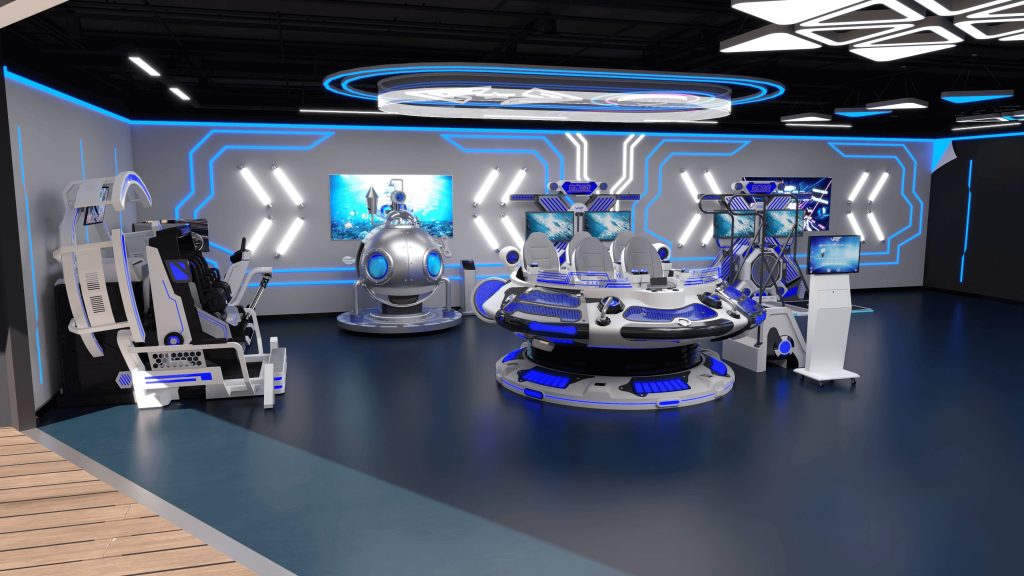
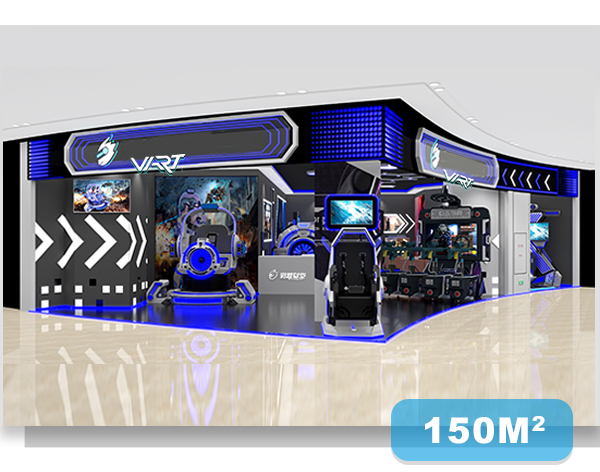
| Medium VR Arcade | 100–200 m² | 6–10 simulators | $60,000–$100,000 |
| Large VR Theme Park | 300–600 m²+ | 12–20+ simulators | $120,000–$250,000+ |
How your budget typically breaks down within any tier:
| Category | % of Budget | Covers |
|---|---|---|
| Equipment | 60–70% | Simulators — motion chairs, racing, shooting |
| Decoration | 10–15% | Lighting, flooring, signage, theme design |
| Rent & Utilities | 10–15% | Location cost and power supply |
| Staff & Marketing | 5–10% | Training, uniforms, local promotion, digital ads |
3. Main Cost Categories
Every VR arcade or theme park involves these core expense categories, though exact costs vary by region:
- Venue and Lease Costs — monthly rent or property purchase, deposits, basic utilities
- Interior Design and Construction — lighting, soundproofing, theme decoration, safety layout
- VR Hardware and Simulators — headsets, platforms, immersive machines
- Software and Games — licensing or subscription costs for commercial VR content
- Staffing and Training — operators, technicians, customer service personnel
- Marketing and Launch Activities — branding, advertising, online promotion
- Maintenance and Operations — cleaning, equipment upkeep, energy costs
Each category is flexible, letting you scale up or down according to your goals and budget.
4. Equipment Investment (Hardware and Simulators)
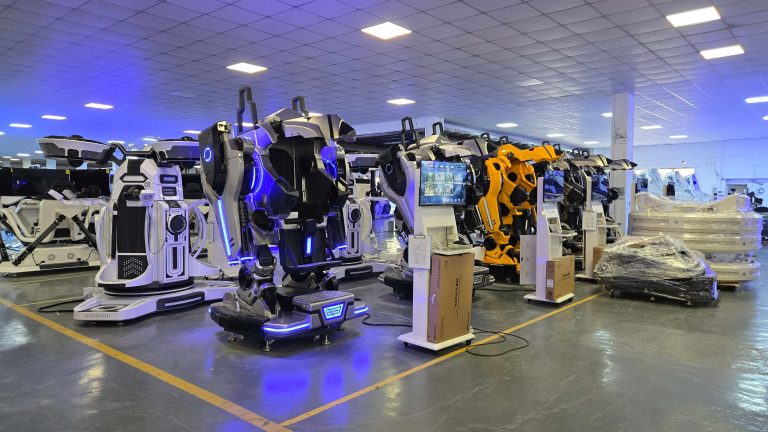
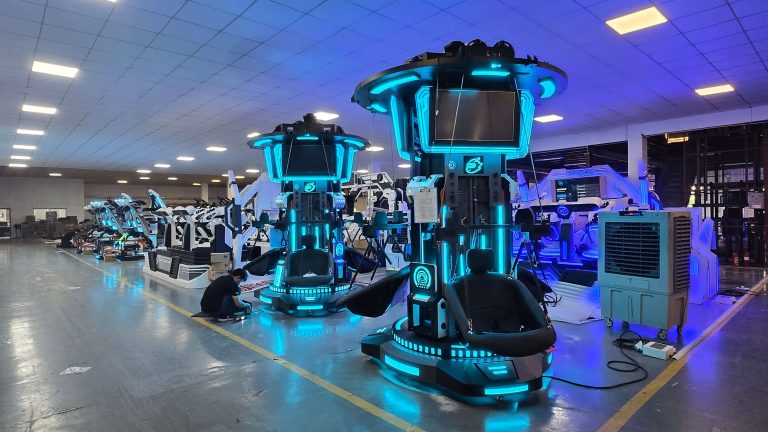
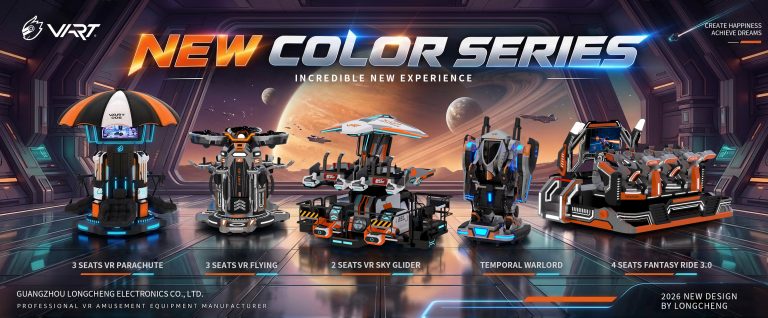
The heart of your VR business is the machines themselves. VART offers a complete range of VR equipment suitable for every business size — from individual pods to large-scale motion simulators:
- VR 360 Flight Simulator — a dynamic, full-motion ride delivering high thrills
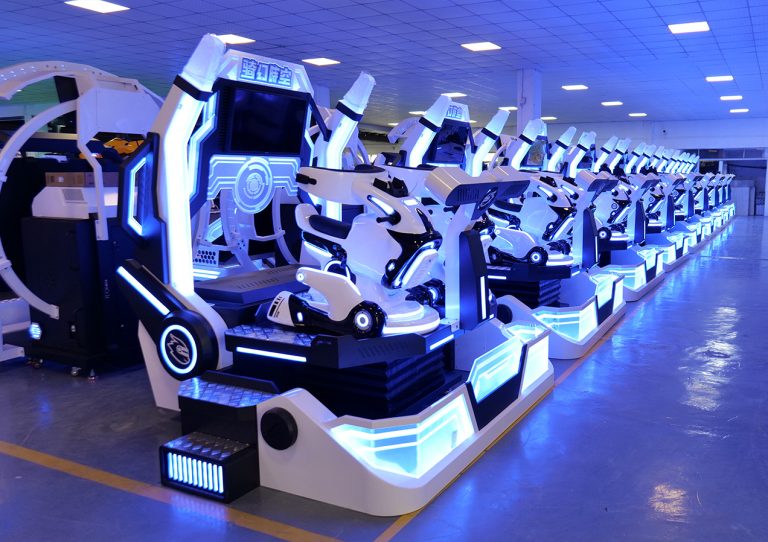
- VR Racing and Motorcycle Simulators — immersive competitive experiences for groups
- 9D VR Cinema — multi-seat pods combining motion, vibration, and visual immersion
- Kids VR Rides — safe, colorful simulators for younger visitors
Investment levels vary by machine complexity and technology. Entry-level equipment suits small startups, while premium multi-axis systems suit larger facilities. VART provides tailored recommendations based on your space and target audience.
Choosing equipment for fast ROI: the right mix matters more than unit price alone — a machine’s revenue-per-square-meter is a better guide than its sticker cost. See our full breakdown of high-ROI VR arcade machines, or start with these proven performers:
- 4-Seat VR Fantasy Ride — one of VART’s best-sellers; four players experience cinematic adventures simultaneously, ideal for medium and large venues
- VR Flying UFO (2 Seats) — compact footprint, strong appeal to both kids and adults, good fit for smaller arcades
- Double 360 VR Rotation Chair — a “must-try” showpiece attraction that doubles as a natural marketing tool, closely related to our standard VR chair 360 lineup
- Interstellar Traveler VR Cinema — a differentiated space-themed experience for both casual visitors and VR enthusiasts
Real result: a European mall operator who installed VR Fantasy Rides and UFO Motion Chairs in a 200 m² zone saw foot traffic rise 18% and average customer spend rise 22% within the first quarter, with families making up over half of repeat visits.
Estimating your own revenue: for example, 8 simulators running 10 players/hour at a $6 ticket price for 10 hours/day works out to roughly $4,800/day — around $140,000+/month at a typical 45–50% profit margin, though actual results depend heavily on location and foot traffic.
5. VR Simulators vs. Traditional Arcade Games — Which Is More Profitable?
If you’re deciding what to actually fill your space with, it helps to compare VR motion simulators against traditional coin-operated arcade cabinets. (New to the category? Start with What Is a VR Simulator for the basics.)
| Factor | VR Simulators | Traditional Arcade Games |
|---|---|---|
| Immersion | Full motion + visual sync, high “wow factor” | Screen-based, lower immersion |
| Customer attraction | Strong visual draw, converts walk-in traffic | Familiar but less visually striking |
| Revenue per unit | Higher, priced as premium attractions | Lower per machine |
| Space efficiency | Higher revenue per m² | Needs more units for similar revenue |
| Upfront cost | Higher per machine | Lower per machine |
| Content freshness | Regularly updatable | Often fixed gameplay |
Bottom line: a mixed approach often works best — arcade machines add variety and accessibility, while VR simulators tend to be the core traffic and revenue driver in modern venues. If you’re working with a smaller footprint, VR simulators typically deliver more revenue per square meter than an equivalent arcade-cabinet setup.
6. Space Design and Layout Planning
A well-planned layout directly affects both safety and customer satisfaction. Allow sufficient walking and waiting areas so players can move comfortably, and give each VR station a dedicated zone to prevent collisions during gameplay.
VART’s design team assists clients with detailed floor plans, integrating lighting, acoustic treatment, and thematic elements that match your brand’s visual identity — whether that’s a minimalist arcade or a full sci-fi universe.
7. Content and Software Licensing
Hardware attracts attention, but content drives revenue. Commercial VR venues require officially licensed software for public operation. Depending on budget, you can either:
- Purchase permanent licenses for selected titles, or
- Subscribe to an evolving content library for regular updates
VART collaborates with international developers to supply tested, high-engagement VR content packages suitable for both family entertainment and professional e-sports environments.
8. Staffing and Training
Even with automated machines, human interaction remains vital. Staff should understand the equipment, guide new users, and maintain safety and hygiene standards.
VART provides hands-on training covering machine operation, basic troubleshooting, and customer service — well-trained staff reduce downtime and improve repeat visits.
9. Marketing and Promotion
Marketing determines how fast you recover your investment. In 2026, the most effective channels for VR venues include:
- Short-form video marketing (TikTok, YouTube Shorts) showcasing real customer reactions
- Social media campaigns with hashtags and giveaways to generate local buzz
- Influencer collaborations with gamers or tech enthusiasts
- Event partnerships (schools, malls, corporate outings) to attract group bookings
VART helps clients build digital marketing kits including brand visuals, videos, and templates for online promotion.
10. Is It Profitable? ROI Timeline
Most VR arcade and theme park operators achieve return on investment within 6 to 12 months, depending on:
- Market size and local foot traffic
- Operational efficiency and staffing quality
- Equipment mix and how well it matches your target audience
Regularly refreshing content and maintaining strong customer service are key to keeping profits consistent once foot traffic stabilizes. If you’re weighing this against a cinema-style attraction instead, see our full 5D/7D cinema vs. VR arcade investment comparison for a side-by-side ROI breakdown.
10.5 Common Mistakes New Owners Should Avoid
- Buying unverified machines — leads to poor performance and low reliability
- Ignoring foot traffic — location directly impacts revenue more than almost any other factor
- Poor content updates — players lose interest quickly without fresh experiences
- Skipping marketing or social engagement
- Skipping maintenance — always schedule regular calibration and upkeep
11. Tips to Optimize Your Budget
- Start with modular equipment — expand as revenue grows
- Lease high-footfall locations instead of purchasing property
- Choose multipurpose simulators that support multiple games
- Use local influencers instead of large ad campaigns
- Schedule off-peak promotions to boost weekday traffic
VART’s turnkey packages bundle hardware, layout design, and content setup to help reduce initial costs while maintaining quality.
12. Working with VART: Your Reliable Partner
With over 10 years of experience in VR equipment manufacturing, VART provides end-to-end support — from product selection and floor planning to staff training and after-sales service. Every project is customized to fit your space, theme, and business model.
Whether you’re opening a small VR arcade or a large immersive theme park, VART’s expertise ensures efficiency, safety, and success from day one.
Conclusion
Starting a VR arcade or theme park requires thoughtful budgeting and smart planning — but the rewards are substantial for those who execute it right. By understanding your business model, carefully managing costs, and choosing a trusted partner, you can transform an empty space into a profitable, futuristic entertainment destination.
For a complete operational guide, read our main article: 8 Steps Guide on How to Open a VR Theme Park, or contact us directly for a customized quote and layout consultation.
Frequently Asked Questions
Q1: What is the minimum investment to start a VR arcade or theme park? The initial investment depends on your city, location, and setup scale. VART provides flexible turnkey packages that match your available budget and business goals.
Q2: What are the major factors affecting cost? Venue size, interior design, number of simulators, and equipment complexity are key factors. Parks using multiplayer simulators or motion platforms generally need higher investment but attract more visitors.
Q3: How much does it cost to start a VR business overall? It depends on scale: a small VR zone (30–60 m², 3–5 machines) typically runs $25,000–$50,000, a medium arcade (100–200 m², 6–10 simulators) runs $60,000–$100,000, and a large VR theme park (300–600 m²+, 12–20+ simulators) runs $120,000–$250,000+. VART provides flexible turnkey packages that match your available budget and business goals.
Q4: Can I start small and expand later? Yes. Many VART clients start with a few machines in high-traffic areas and expand gradually. Modular layouts make it easy to add new equipment or game zones without renovation.
Q5: How long does it take to achieve ROI? Most operators achieve return on investment within 6 to 12 months, depending on market size, foot traffic, and operational efficiency.
Q6: Are VR simulators more profitable than traditional arcade games? In many cases, yes — VR simulators generate higher revenue per session and per square meter due to their strong visual draw and premium pricing. That said, a mix of both is common: arcade games add variety and accessibility, while VR simulators typically drive the bulk of foot traffic and revenue.
Q7: Does VART assist with budgeting and layout planning? Absolutely. VART offers detailed floor plan design, project consultation, and cost analysis to help clients plan efficiently before investment.
Q8: Does VART provide installation and training? Yes. VART’s full turnkey service includes installation, staff training, maintenance guidance, and technical support — ensuring smooth daily operations.
Q9: How can I keep ongoing costs under control? Regular maintenance, rotating games, and efficient staff scheduling help reduce overhead. VART also provides maintenance packages and content update services to simplify long-term management.
Related Resources
• Best VR Games and Experiences for Theme Parks in 2025
• 8 Steps Guide on How to Open a VR Theme Park