What Is a VR Motion Simulator? Complete Guide for Theme Parks and Arcades

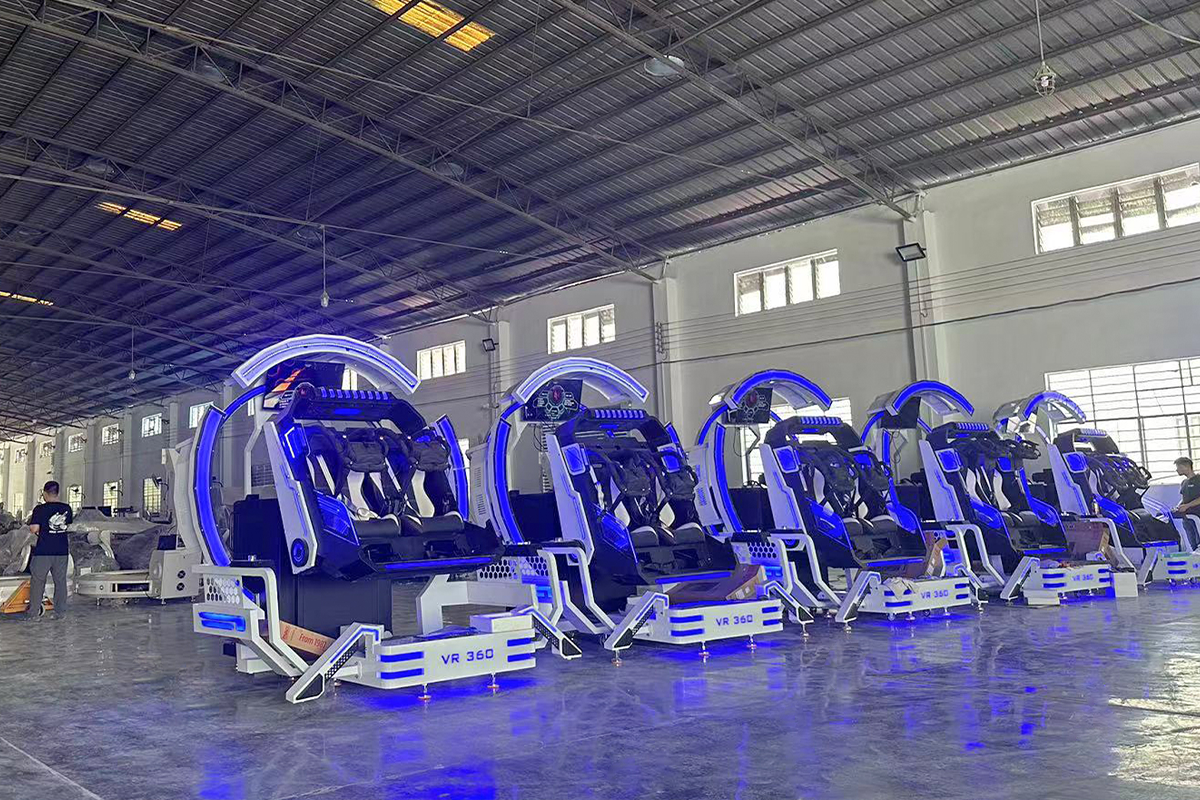
In today’s competitive entertainment industry, venues must offer attractions that are visually striking, unforgettable to experience, and consistently profitable. This is why the VR motion simulator has become the centerpiece of modern VR arcades, theme parks, FECs, shopping malls, and indoor entertainment centers.
More than just a VR headset, a motion simulator combines synchronized movement, multi-sensory effects, dynamic platforms, and cinematic content to create a premium attraction that delivers both immersion and revenue.
For business owners, the right motion simulator can instantly increase foot traffic, improve customer satisfaction, and accelerate ROI. This article explores the value of motion simulator attractions, the types of immersive systems available—including full motion racing simulator, full motion flight simulator, motion sim platforms, and virtual reality motion chairs—and why choosing the right equipment is essential for long-term commercial success.
Understanding What a VR Motion Simulator Really Is?
A VR motion simulator blends:
- A multi-axis dynamic platform
- 3D VR visuals
- Vibration and sensory effects
- Real-time motion synchronization
- Surround audio
- Immersive themed content
The result is an experience that customers feel with their whole body—acceleration, drifting, turbulence, drops, turns, combat impacts, and more.
Unlike traditional VR games, motion simulators create real thrills that attract customers from across a venue. This makes them one of the highest-performing categories in the entire VR entertainment market.Before exploring advanced motion-based attractions, many venue owners first want to understand the basics of simulator technology. You can also read our guide on what a VR simulator is to learn how virtual reality simulators work in arcades, theme parks, and entertainment centers.
Why VR Motion Simulators Deliver Strong Commercial Profit?
1. Instant Attraction Power That Pulls Customers In
Entertainment venues rely heavily on visual appeal. Motion simulators are large, dynamic, and designed to turn heads. With LED lighting, mecha-style shells, and dramatic movement, they:
- Draw attention in malls
- Increase foot traffic naturally
- Make customers stop and watch
- Trigger impulse purchases
A motion ride becomes the “centerpiece” attraction that adds energy to your entire venue.
2. High Ticket Price = High Daily Revenue
Customers are willing to pay more for experiences that feel premium.
Motion simulators typically achieve:
- $8–$15 per play
- Strong hourly throughput
- Higher weekend performance
- Consistent repeat business
This makes them ideal for owners who want predictable, daily revenue from a single machine.
3. Multi-Game Content Encourages Repeat Visits
To maintain continuous profit, the simulator must offer varied experiences.
Modern VR motion rides include:
- Racing
- Flying
- Roller coaster worlds
- Sci-fi battles
- Space missions
- Adventure journeys
- Family-friendly content
VART VR systems include 10+ game titles, ensuring players always have fresh choices.
4. Fast Setup, Easy Operation, Low Labor Cost
Most business owners want attractions that can start earning money immediately.
A high-quality motion simulator should offer:
- Simple installation
- Clear documentation
- Remote setup assistance
- Plug-and-play operation
- Minimal staffing required
This keeps operating costs low while maximizing uptime and guest satisfaction.
5. Reliable Daily Performance for Busy Venues
Motion rides must operate for 10 to 12 hours daily in commercial settings.
This requires:
- Industrial-grade components
- Reinforced structure
- Low maintenance requirements
- Rapid customer turnover
VART VR platforms are engineered for a <0.5% failure rate, perfect for business environments that cannot afford downtime.
6. Strong Sensory Impact = Better Customer Reviews
Motion simulators enhance immersion using:
- Wind
- Vibration
- Impact feedback
- Seat movement
- Lighting effects
- Dynamic audio
These elements create an emotional “wow experience” that customers will share, helping venues grow through word-of-mouth and social media.

Types of VR Motion Simulators and Their Business Value
1. Full Motion Racing Simulator
A full motion racing simulator replicates real motorsport sensations:
- Steering wheel + pedals
- G-force tilting
- Dynamic seat vibration
- Drift and acceleration feel
- Realistic racing environments
Ideal for:
- Esports-themed venues
- Teen-focused arcades
- High-energy attractions
Players love to compete, meaning repeat play is extremely common.
2. Full Motion Flight Simulator
A full motion flight simulator provides thrilling aviation experiences:
- Takeoff tilt
- Turbulence simulation
- 360° flight movement
- Joystick and throttle control
- Realistic cockpit environments
Perfect for:
- Science centers
- Tourist attractions
- VR arcades
- Aviation-themed areas
This category delivers some of the strongest emotional reactions from players.
3. Motion Sim Platforms (General Motion Sim)
A motion sim is a highly flexible motion platform ideal for:
- Roller coaster VR
- Mecha combat
- Space exploration
- Adventure experiences
- Extreme tilt sensations
These machines attract customers seeking stronger thrills and cinematic excitement.
4. Virtual Reality Motion Chairs
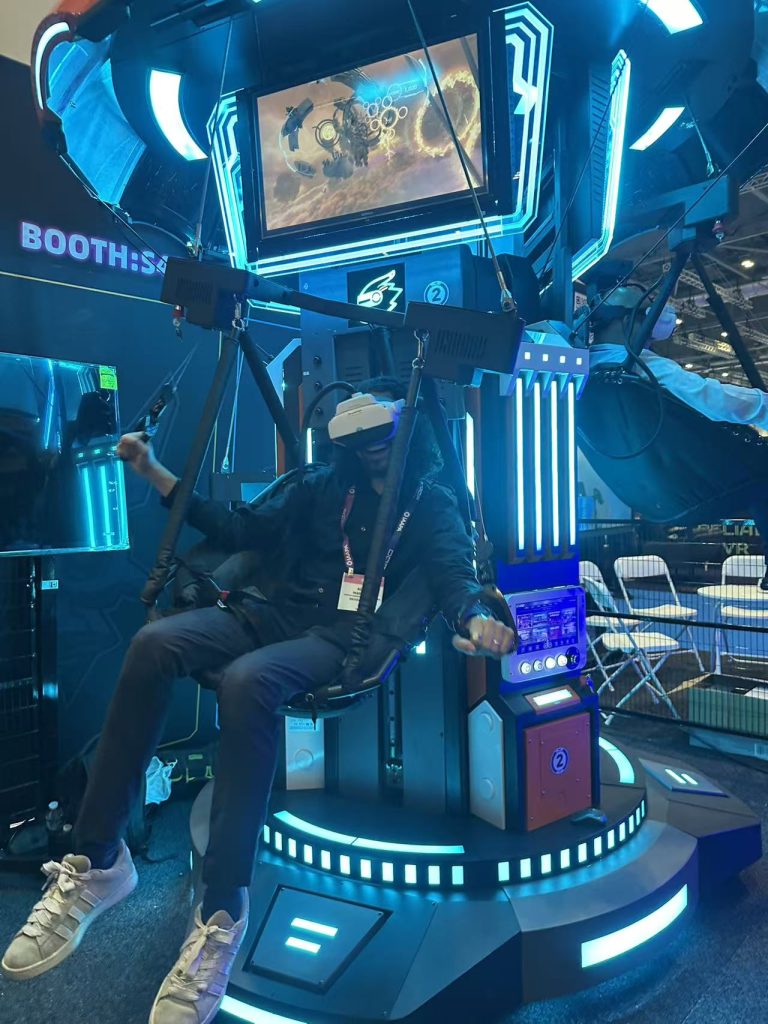
A virtual reality motion chair is compact, affordable, and ideal for smaller spaces.
Advantages:
- Small footprint
- Strong movement sensations
- Low operating cost
- Quick ROI
- High customer turnover
Many mall operators prefer motion chairs due to their excellent revenue-to-space ratio.
5. 2–4 Player VR Motion Rides
For larger venues, multi-seat motion rides offer:
- Higher throughput
- Shared family/group experiences
- Stronger visual presence
- Increased daily income
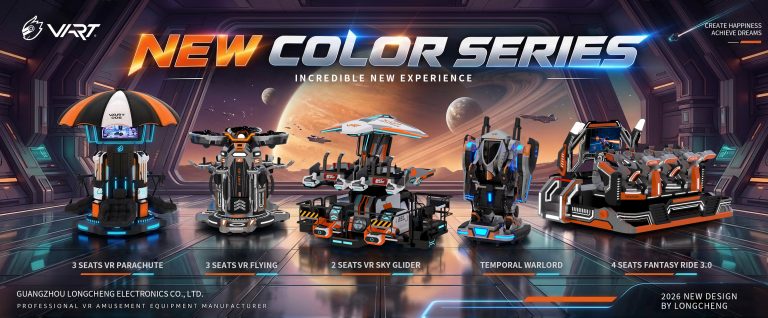
Multi-player units such as VART VR’s 4-person Fantasy Ride boost venue capacity effortlessly.
VR Motion Simulator Price Range
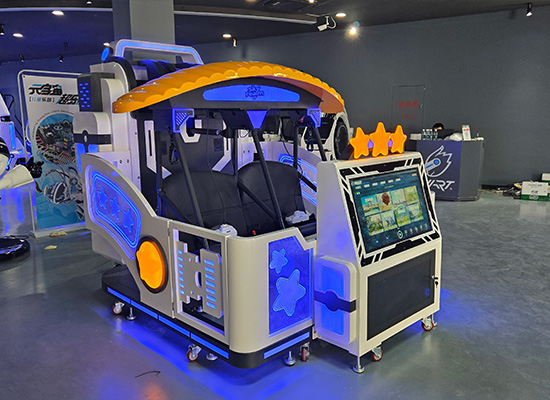
Commercial VR motion simulators vary in price depending on platform type, number of seats, motion range, and included game content. Entry-level motion chairs and compact platforms are generally more affordable, while full motion racing simulators, full motion flight simulators, and multi-seat VR rides require higher investment. For most entertainment venues, commercial VR motion simulator prices depending on configuration and features.
Core Technology Behind High-Performance Motion Simulators
Motion simulators rely on multiple systems working together to create lifelike realism.
Dynamic Motion Base
- Strong torque
- Wide movement angle
- Industrial actuators
- Smooth motion curves
VR Visual System
- High-resolution display
- Wide FOV
- Low latency
Sensory Effects
- Wind
- Rain mist
- Vibration
- Impact feedback
Game Interaction
- Steering wheel
- Flight stick
- Gun controller
- Hand tracking
Structural & Safety Design
- Reinforced steel frame
- Safe motion angles
- Certified components
VART VR provides CE, RoHS, TUV, SGS, and SASO certifications to support global installation.
Popular VR Motion Simulator Experiences
The most popular VR motion simulator experiences usually include VR racing, VR flying, VR shooting, roller coaster adventures, space missions, and cinematic ride experiences. These content types perform well because they are visually exciting, easy for first-time players to understand, and attractive to a wide range of customers. For venue operators, offering multiple simulator themes can improve replay value and increase repeat visits.
Choosing the Right VR Motion Simulator for Your Business Goals
This is where most buyers face challenges—not because equipment is complicated, but because every venue has different needs.
Below is a business-oriented guide tailored specifically for:
- VR arcade startups
- Mall operators
- FEC managers
- Theme park developers
- Entertainment project investors
✔ Choose Based on Your Space
- Small booth → virtual reality motion chairs
- Medium zone → motion sim or dual-seat platforms
- Large attractions → full motion racing simulator or full motion flight simulator
✔ Consider Your Target Audience
- Families → multi-seat rides
- Teenagers → racing simulators
- Adults → flight or extreme adventure
- Tourists → cinematic motion experiences
✔ Focus on Replay Value
A high-performing venue needs repeat visitors.
Choose simulators with:
- Multi-game libraries
- Free updates
- Different difficulty levels
✔ Prioritize Profitability, Not Just Price
A lower-cost machine may limit:
- Visual appeal
- Motion realism
- Game variety
- Reliability
A strong simulator generates higher daily revenue and recovers investment faster.
✔ Ensure Fast Support When You Need It
VART VR provides:
- Remote debugging
- Video tutorials
- Installation guidance
- On-site engineers (optional)
- Operation training
This ensures your attraction never stops generating income.

Why VR Motion Simulators Are the Best Investment for Entertainment Venues?
- High-ticket experience
- Strong foot-traffic attraction
- Versatile game themes
- Fast revenue generation
- Suitable for all ages
- A perfect upgrade for existing venues
- Ideal as a flagship attraction for new businesses
Many owners choose motion simulators because they offer one of the fastest ROI paths in the VR attraction category.
Why Choose VART VR for Motion Simulator Solutions?
VART VR has become a trusted manufacturer for global clients due to:
- Industrial-grade motion systems
- <0.5% failure rate for daily operation
- 10+ premium VR game titles
- Multi-sensory effects (wind, vibration, sound)
- Mecha-styled futuristic design
- OEM/ODM customization
- Installation drawings + remote setup + training
- Global certifications and worldwide delivery
These strengths make VART VR an ideal partner for operators wanting long-term stability and high revenue potential.
Conclusion
The VR motion simulator is more than equipment—it is a high-performance business asset that enhances customer attraction, increases daily revenue, and elevates the overall entertainment experience of a venue.
From full motion racing simulator to full motion flight simulator, from flexible motion sim platforms to compact virtual reality motion chairs, these attractions provide unforgettable, immersive experiences that keep customers returning—and keep your business growing.
For entertainment venues seeking a profitable, future-ready solution, partnering with VART VR ensures the stability, immersion, and commercial value needed to stand out in the rapidly expanding world of virtual reality attractions.
Further Reading for VR Business Owners
If you’re planning to build or upgrade a commercial VR attraction, you may also find these topics helpful:
- Learn how different professional VR simulators influence customer experience and long-term revenue.
- Explore the role of a reality simulator in creating multi-sensory, high-value immersive content.
- Compare various motion-based attractions in our full guide to VR motion simulator systems.
These insights can help you choose the right combination of VR equipment and create a more profitable entertainment space.
FAQ About VR Motion Simulators
1. How much space do I need for a VR motion simulator?
Most single-seat systems such as virtual reality motion chairs require only a small footprint, making them ideal for malls or compact attractions. Larger platforms like a full motion racing simulator or full motion flight simulator may require additional space for safety clearance and customer flow.
2. What kind of return on investment can operators expect?
Many entertainment venues achieve a fast ROI due to high ticket prices and strong daily demand. A well-placed motion simulator can attract continuous traffic, helping most operators recover their investment within a short period, depending on location and footfall.
3. Can motion simulators support multiple games?
Yes. Quality systems—including advanced motion sim platforms—offer a full game library with racing, flight, adventure, and sci-fi experiences. Multi-game flexibility increases replay value and makes the machine more profitable.
4. Are VR motion simulators difficult to maintain?
Commercial-grade simulators are built for long-hour operation. With proper after-sales support, maintenance is straightforward. VART VR equipment is engineered for a low failure rate and offers remote assistance to ensure stable performance.
5. Which type of motion simulator is best for small venues?
Compact attractions like virtual reality motion chairs are ideal for limited spaces. They deliver strong movement effects while keeping installation and operational requirements minimal.
6. Do motion simulators work for all age groups?
Yes, depending on the game selection. Racing, flight, and adventure content appeal to teenagers and adults, while cinematic or family-friendly games make the experience suitable for a wider audience.
7. How do I choose the right simulator for my business?
Consider your target audience, venue size, and revenue goals. Many operators start with a versatile VR motion simulator and then expand to racing or flight-specific models as their business grows.
Recommended Guides for VR Business Owners
If you are evaluating motion-based attractions for your venue, you may also be interested in the following related topics:
- Learn how different equipment categories contribute to overall venue performance in our complete guide to professional VR simulators.
- Discover how a multi-sensory reality simulator can elevate customer experience and complement your motion rides.
Together, these insights can help you design a more compelling and profitable VR entertainment offering.