Professional VR Simulators Redefining Modern Immersive Entertainment


In recent years, professional VR simulators have become one of the most profitable categories in the global entertainment and attraction industry. Unlike consumer VR devices, these systems are engineered specifically for commercial environments—theme parks, shopping malls, FECs, VR arcades, game centers, airports, and venues looking to boost foot traffic and generate continuous revenue.
As commercial-grade equipment, VR simulators play a critical role in modern VR arcade operations. Explore our complete “VR arcade business solutions for the US market“.
Today’s operators and investors aren’t just searching for “fun VR equipment.” They want high-performance machines that combine immersive depth, strong reliability, low maintenance, and strong visual attraction. This is exactly why demand for VR motion simulators, VR game simulators, and vr simulator for sale solutions continues to rise rapidly.
This article provides a complete, beginner-friendly yet professional understanding of how commercial VR simulators work, why they are gaining so much attention, and how choosing the right supplier—such as VART VR, an industry-recognized manufacturer—can significantly influence your long-term profitability and operational success.
What Makes a VR Simulator “Professional”?
A professional VR simulator is a commercial-grade system that integrates:
- A dynamic motion platform
- Real-time game synchronization
- High-precision motion or infrared tracking
- Surround audio
- Vibration and environmental effects
- Safety-enhanced mechanical structure
- 24/7 stable performance
- Multi-game compatibility
These simulators are designed to provide unforgettable experiences such as flying, racing, space exploration, roller coaster motion, combat scenarios, or futuristic mecha journeys.
In daily online searches, customers often use long-tail variations such as:
- vr motion simulator
- vr game simulator
- vr simulator for sale
- virtual reality machine
- commercial vr simulator
In this article, we will cover the complete ecosystem around professional VR simulators, helping buyers build a clear understanding while also forming the foundation for future topic clusters.
Why Professional VR Simulators Are Becoming Core Revenue Machines?
1. Powerful Immersion That Attracts Paying Customers
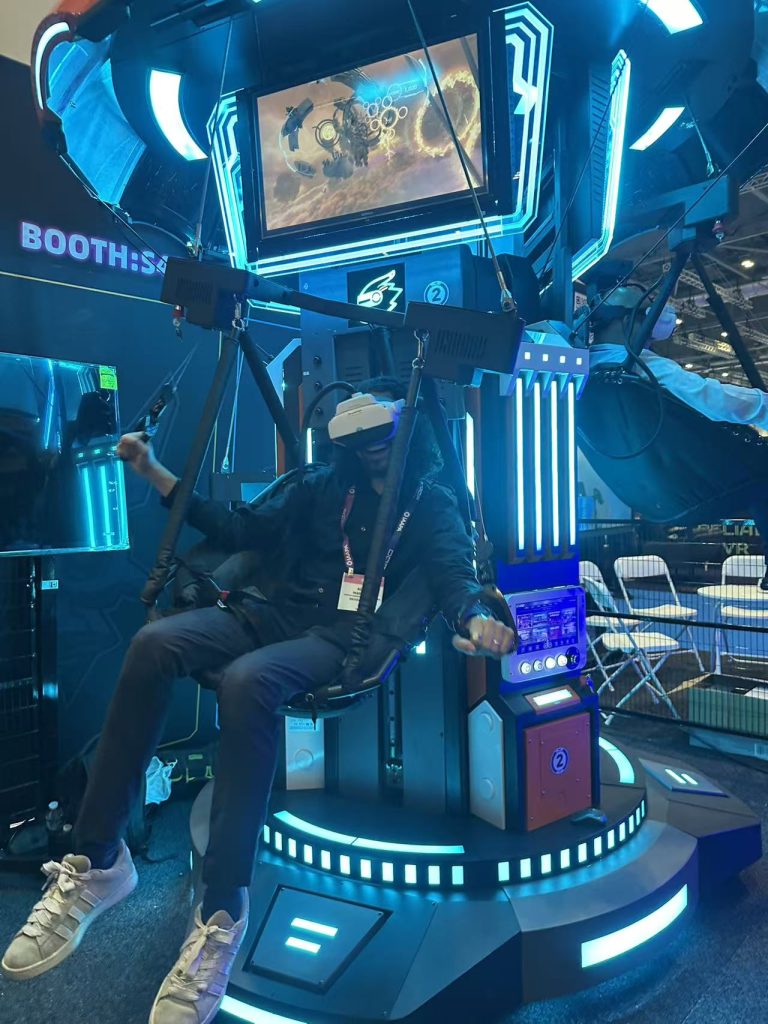
A consumer VR headset alone cannot create real physical sensation. But with a multi-axis dynamic platform, users can feel:
- Fast climbs and drops
- Tilting and drifting
- Weightlessness
- Acceleration and deceleration
- Collision and vibration
- Cooling wind, spraying rain, or environmental effects
This depth of immersion dramatically increases guest satisfaction, making VR simulators a top choice for high-impact attractions.
VART VR is known for its advanced sensory systems—wind, rain mist, vibration, 3-DOF/6-DOF motion, surround audio—ensuring every ride feels physically real and emotionally memorable.
2. Higher Ticket Prices, Higher Revenue
Compared to traditional arcade machines (1–3 USD per play), commercial VR simulators often achieve:
- 8–15 USD per ticket
- Higher average occupancy
- Faster cost recovery cycles
This positions VR simulators as premium, high-yield assets.
3. Multi-Game Libraries Maintain Long-Term Profitability
Most professional VR simulators support multiple game experiences.
VART VR, for example, integrates 10+ engaging themes, with free content updates, allowing operators to keep customers revisiting the same machine for new experiences.
4. Strong Visual Presence for Foot Traffic
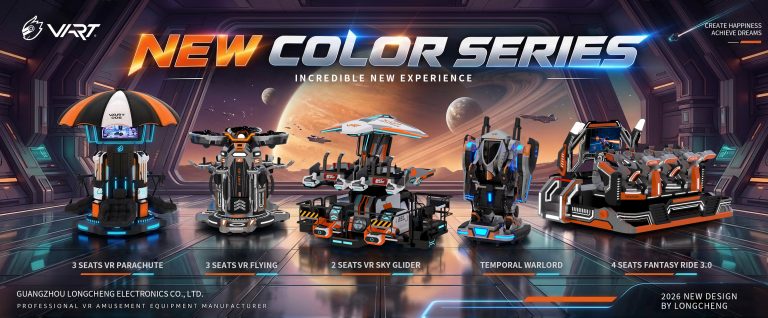
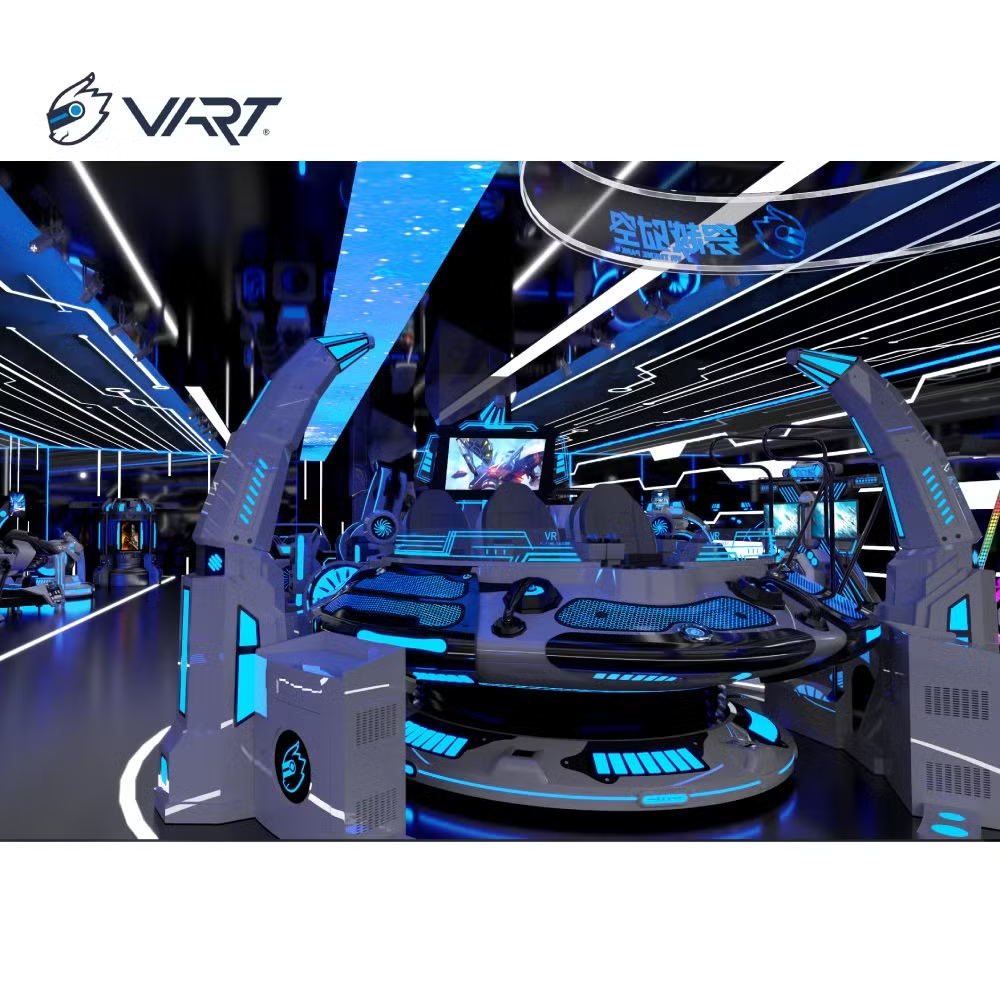
Large robot-style shells, futuristic lighting, and dynamic displays immediately grab attention in malls or entertainment centers. VART VR’s iconic designs—like its mecha-themed cockpit and 32-inch external screen—are built for high visual impact.

The Core Technologies Behind Professional VR Simulators
1. Advanced Dynamic Motion Platforms
A commercial VR simulator’s soul is its motion system. Leading manufacturers use industrial-grade actuators that deliver:
- Strong torque
- High-speed reaction
- Smooth motion curves
- Wide tilt angles
- Long service life
- Low failure rates (VART VR devices maintain <0.5% average failure rate)
This ensures reliable performance even at high hourly usage.
2. Environmental Effects for Sensory Realism
To boost immersion, top-tier VR simulators integrate:
- Wind effect
- Rain or mist effect
- Seat vibration
- Back impact feedback
- 360° directional sound
This transforms the experience from “watching a VR scene” into “physically entering it.”
3. High-Accuracy Tracking Technology
Depending on the device type—driving, shooting, sports, exploration—tracking systems may include:
- Infrared sensors
- Laser positioning
- High-speed motion detection
- Real-time hit feedback (important for shooter simulators)
VART VR’s shooting and motion systems use 0.1-second response IR tracking, ensuring smooth, accurate gameplay.
4. Commercial-Grade Hardware + Content Ecosystem
High-quality VR simulators include:
- Industrial motors
- Reinforced steel structure
- Heat-resistant internal components
- Branded VR headsets
- Multi-language software
- Regular content updates
This makes commercial units far more durable and profitable than consumer-level VR products.
Commercial Use Cases for VR Simulators
1. Shopping Malls
VR simulators are crowd-magnets—perfect for open atrium spaces, promotional events, and weekend foot-traffic peaks.
2. Theme Parks & Tourist Attractions
VR simulators work well as:
- Thrill attractions
- Sci-fi themed rides
- Indoor replacements for roller coasters or aircraft rides
3. Family Entertainment Centers (FECs)
VR adds variety to traditional arcade machines and boosts average spending.
4. Airports & Transit Hubs
Short, high-impact attractions are perfect for travelers waiting for flights.
5. Educational & Science Centers
VR flight, space, physics, and exploration simulators are popular for STEM-oriented experiences.
6. Start-up VR Arcades
A full VR arcade can operate profitably with a mixture of:
- vr motion simulator
- vr game simulator
- VR multiplayer stations
- VR shooting experiences
VART VR supports new operators with layout guidance, installation diagrams, and remote training, helping entrepreneurs set up quickly.High-traffic environments such as shopping malls are ideal locations for these VR simulators. Learn more about our “VR arcade solutions designed for shopping malls in the USA“.
Popular Types of Professional VR Simulators
1. Roller Coaster Motion VR Simulators
Using large-angle tilting and fast acceleration to deliver extreme thrill experiences—one of the best-selling categories globally.
2. VR Racing Simulators
Complete with steering wheel, pedals, and cockpit; popular among motorsport fans.
3. VR Flight Simulators
Built for aviation-themed attractions, capable of reproducing dives, rolls, and turbulence.
4. VR Mecha & Sci-Fi Cockpit Simulators
VART VR’s signature mecha design is engineered for:
- 360° rotation
- Realistic weapon effects
- Strong sci-fi visuals
- Family-friendly gameplay
5. VR Shooting Game Simulators
With high-precision IR tracking, multiple difficulty modes, and multiplayer options.
6. Multiplayer VR Experience Devices
Designed to increase throughput and boost FEC revenue.
How to Choose the Right VR Simulator for Your Business?
1. Identify Your Audience
Families? Teenagers? Tourists? Students?
Your target group determines the best content and device type.
2. Evaluate Your Space
Small kiosks → compact VR motion units
Large venues → 4-player VR, racing zones, or thematic installations
3. Consider Your Profit Model
Per-ticket? Membership? Automatic payment?
VART VR supports multiple payment methods, including coin, card, QR, or fully automatic operation.
4. Check the Game Library
Content is king in VR profitability.
5. Inspect Reliability
Look for:
- Low failure rate
- Strong structural design
- Certified safety systems
VART VR devices carry CE, RoHS, TUV, SGS, SASO certifications.
6. Ensure Strong After-Sales Support
This is essential for long-term operation.
VART VR offers:
- Remote diagnosis
- Installation drawings
- Operation training
- Spare parts support
- On-site engineer services (upon request)
7. Verify Customization Ability
Branding, lighting, UI customization, game logo, and theme colors can significantly improve customer engagement.
8. Compare Manufacturer Experience
A strong manufacturer ensures long-term delivery stability.
VART VR offers OEM/ODM full customization, backed by a full team across design, production, and global sales.
VR Simulator for Sale: What Buyers Should Expect
Searches for vr simulator for sale usually indicate serious purchase intent.
Here is the complete buying roadmap:
Step 1: Define Your Budget & Goals
Start with the number of attractions and target revenue.
Step 2: Compare Manufacturers
Evaluate:
- Product performance
- Certifications
- Content quality
- Warranty terms
- Delivery speed
VART VR’s advantage lies in full in-house production, ensuring consistent quality control.
Step 3: Confirm Technical Specifications
Look for:
- Motion range
- Load capacity
- Screen size
- VR headset model
- Actuator type
- Special effects
- Power consumption
Step 4: Production & Testing
Most commercial VR units require 10–25 days.
Step 5: Shipping & Installation
With VART VR, buyers receive:
- Installation manuals
- Video tutorials
- Remote debugging
- Optional on-site installation
Future Trends in Professional VR Simulators
1. Smarter, AI-Driven Systems
Automatic calibration and self-diagnostic features will become standard.
2. More Multiplayer Experiences
Higher throughput = higher revenue.
3. Expanded Content Ecosystems
More genres such as:
- Adventure
- Sci-fi
- Competitive shooter
- Sports
- Flying
- Family games
4. Autonomous Operation
Unattended VR attractions are rising in popularity for malls and public spaces.
5. More Physical Sensory Integration
Motion + smell + heat + wind + touch feedback will create multi-sensory VR.

Why Choosing the Right Manufacturer Matters?
Equipment quality directly affects:
- Safety
- Maintenance costs
- Daily uptime
- Customer satisfaction
- Long-term revenue
This is why partnering with a reliable manufacturer like VART VR is essential.
Their products are known for:
- Durable high-precision structures
- <0.5% failure rate
- Strong visual design and LED effects
- 10+ game selections with free updates
- Global certifications
- OEM/ODM customization
- Professional after-sales team
- Support for VR business start-ups
Whether your goal is a single premium attraction or a full VR theme zone, choosing a trusted provider ensures smooth operation and fast ROI.
Conclusion: Building Your VR Entertainment Ecosystem
Professional VR simulators are reshaping the entertainment landscape. They combine:
- Strong immersion
- High profitability
- Wide audience appeal
- Flexible deployment
- Scalable business models
Whether you are researching vr motion simulator, comparing vr game simulator options, or searching for the best vr simulator for sale, the right equipment will give you a competitive advantage and long-term revenue stability.
For operators looking to build a successful VR business, investing in high-quality equipment—from a global manufacturer like VART VR—is the foundation for creating an immersive, engaging, and profitable entertainment ecosystem.
If you need tailored equipment recommendations, business planning advice, or a customized VR attraction solution, feel free to let VART VR know—can help you create the full vr theme park.
Further Reading for VR Attraction Planning
If you’re exploring ways to build a successful VR business or expand your current venue, the following guides may help you understand how different simulator types contribute to customer engagement and revenue:
- Discover how a reality simulator creates multi-sensory, high-impact immersive experiences for commercial attractions.
- Learn how a VR motion simulator enhances physical realism and drives strong repeat business in entertainment venues.
These additional insights can help you determine which VR equipment combination is ideal for your business goals.