What Is a 5D Theater? Everything You Need to Know About 5D Cinema & Movies

Key Takeaways
- A 5D theater combines 3D stereoscopic visuals, synchronized motion seats, and environmental special effects to create a fully immersive movie experience.
- Unlike traditional cinemas, a 5D cinema allows audiences to physically feel the action through seat movement, wind, rain, vibration, fog, and other synchronized effects.
- Most 5D movies are 5–15 minutes long, making them ideal for theme parks, shopping malls, family entertainment centers, museums, and tourist attractions.
- Modern commercial 5D theater systems can be customized with different seat capacities, special effects, and movie libraries to suit various venues.
- Understanding how 5D cinema technology works helps both movie enthusiasts and business investors make informed decisions about immersive entertainment.
Virtual entertainment has evolved far beyond traditional 2D and even standard 3D movies. Today, audiences expect to feel the action—not just watch it. Whether it’s the sensation of flying through the sky, racing down a mountain, or escaping a dinosaur attack, modern immersive theaters combine visual technology with physical effects to create unforgettable experiences.
So, what is a 5D theater? How does it differ from a regular movie theater, and why are shopping malls, amusement parks, and family entertainment centers around the world investing in 5D cinema technology?
In this comprehensive guide, you’ll learn exactly how 5D movie theaters work, the technology behind them, their most popular applications, and why they have become one of the fastest-growing attractions in the immersive entertainment industry.
Quick Definition: What Is a 5D Movie Theater?
Definition
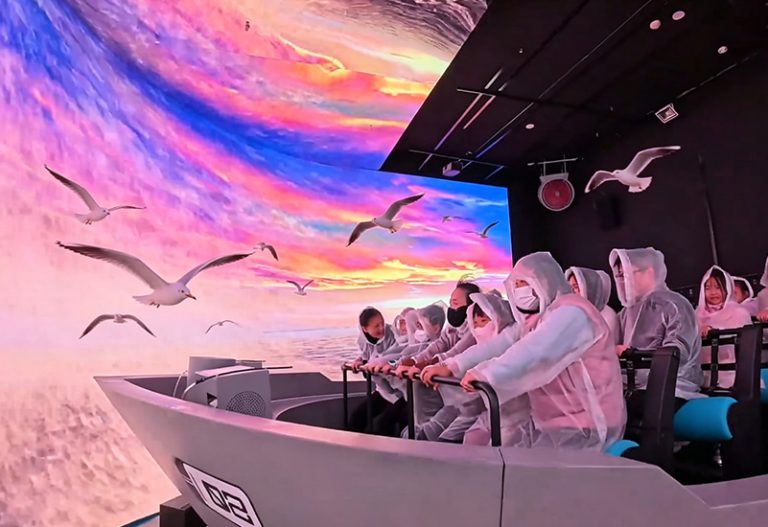
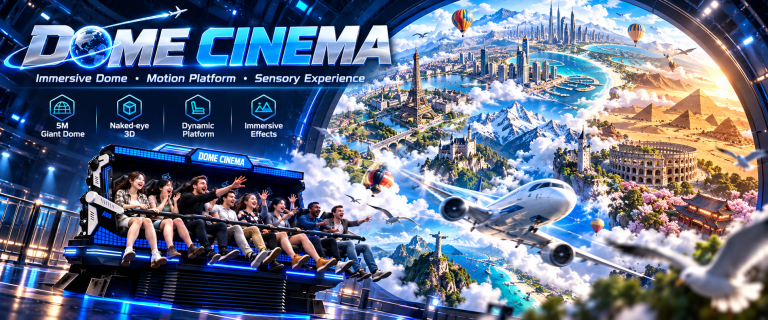
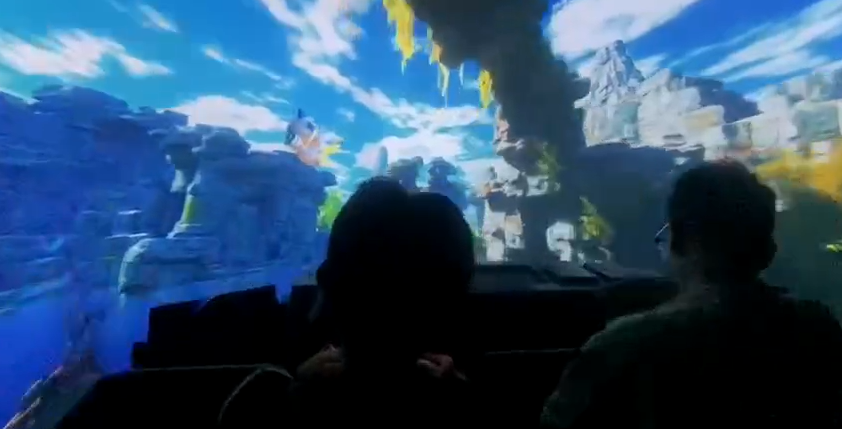
A 5D theater is an immersive cinema that combines 3D stereoscopic movies, synchronized motion seats, and environmental special effects such as wind, rain, fog, vibration, snow, bubbles, scent, and air blasts. Unlike a traditional cinema, audiences don’t simply watch the movie—they physically experience it through coordinated movement and multi-sensory effects.
Think of a traditional movie as watching an exciting story unfold from your seat.
A 5D movie places you inside that story.
When the on-screen vehicle accelerates, your seat tilts backward. When a helicopter flies overhead, powerful surround sound moves across the room. During a storm scene, you may feel cool wind, water mist, or flashes of lightning synchronized perfectly with the action.
Instead of being a passive viewer, you become part of the adventure.
This combination of sight, sound, motion, and environmental effects is what makes 5D cinema one of today’s most engaging entertainment formats.
How Does a 5D Cinema Work? (The Core Technology)
A modern 5D movie theater is much more than a projection screen and a few moving chairs. It is an integrated entertainment system where every component is synchronized by a central control system.
Each effect is carefully timed so that what you see, hear, and feel happens simultaneously.
The core system generally consists of five major components:
| Component | Function | Purpose |
|---|---|---|
| 3D Projection System | Displays stereoscopic movies | Creates immersive visual depth |
| Motion Seat Platform | Tilts, rolls, vibrates, and moves | Simulates physical movement |
| Environmental Effects System | Wind, rain, fog, bubbles, snow, scent, air blasts | Enhances realism |
| Surround Audio System | Multi-channel directional sound | Builds spatial awareness |
| Central Control System | Synchronizes all equipment | Ensures perfect timing between movie and effects |
When these technologies work together, audiences no longer feel like they’re watching a movie—they feel like they’re participating in it.
1. 3D Visuals & Spatial Audio
Every 5D cinema begins with immersive visual storytelling.
High-brightness projectors or LED display systems present stereoscopic images that create realistic depth. Viewers wear lightweight 3D glasses that allow each eye to receive a slightly different image, producing the illusion of three-dimensional space.
Unlike traditional flat movies, objects appear to:
- Fly toward the audience
- Extend beyond the screen
- Create realistic distance
- Enhance speed and scale
However, visuals alone are not enough.
Professional 5D theaters also use multi-channel surround sound systems that position audio precisely around the audience.
For example:
- A racing car approaching from behind can be heard moving from the rear speakers toward the front.
- An aircraft flying overhead appears to travel naturally across the ceiling.
- Thunder seems to roll across the theater rather than coming from a single speaker.
The combination of stereoscopic visuals and spatial audio creates the foundation for the immersive experience.
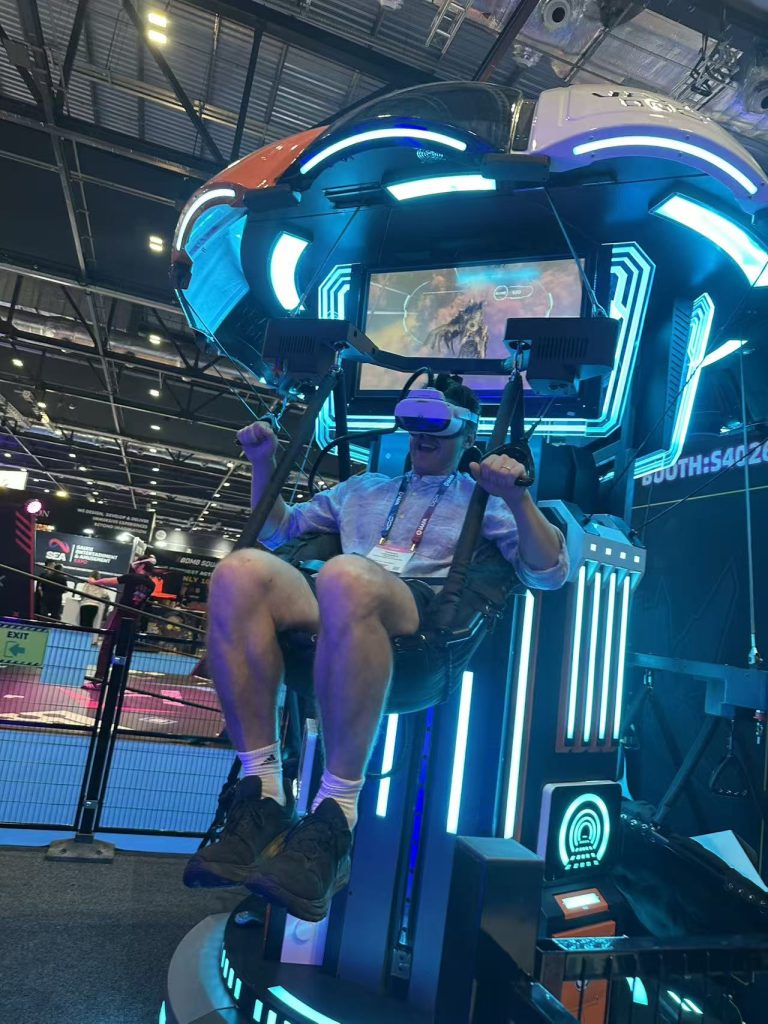
2. Motion Seats (3-DOF & 6-DOF Platforms)
The feature that most people immediately notice in a 5D movie theater is the moving seat.
Unlike standard cinema chairs, motion seats physically respond to everything happening on screen.
As the movie progresses, the seats can:
- Tilt forward
- Lean backward
- Roll left and right
- Vibrate during impacts
- Simulate acceleration
- Reproduce braking forces
These movements are synchronized frame by frame with the movie.
For example:
- During a roller coaster drop, the seat tilts sharply forward.
- During a sharp turn, it leans sideways.
- During an explosion, it vibrates to simulate impact.
- During a helicopter flight, gentle motion recreates floating through the air.
Commercial systems generally use one of two motion technologies.
3-DOF Motion Platforms
A 3 Degrees of Freedom (3-DOF) platform typically provides:
- Pitch (forward and backward movement)
- Roll (left and right movement)
- Heave or vibration
These systems are compact, reliable, and widely used in shopping malls and family entertainment centers.
6-DOF Motion Platforms
Premium 6 Degrees of Freedom (6-DOF) platforms offer much greater realism.
They support:
- Pitch
- Roll
- Yaw
- Surge
- Sway
- Heave
This allows the seats to reproduce complex aircraft movements, racing dynamics, and realistic flight simulations with impressive accuracy.
For investors, 6-DOF systems often deliver a more premium customer experience, especially in larger amusement parks and immersive attractions.
3. Environmental Special Effects
Motion seats create physical movement, but environmental effects transform a movie into a truly multi-sensory adventure.
A modern 5D theater synchronizes numerous special effects with specific scenes throughout the movie.
For example:
- A racing sequence may trigger powerful wind.
- A thunderstorm may activate rain, lightning, and fog simultaneously.
- A snowy mountain scene can release artificial snowflakes into the theater.
- An underwater adventure may include bubbles and cool mist.
These effects help blur the line between the virtual world and reality.
Instead of simply watching a scene unfold, audiences begin to feel the environment around them.
In the next section, we’ll explore each of these environmental effects in detail, explaining how they work and why they are essential to creating an authentic 5D cinema experience.To understand how 5D compares with other immersive formats such as 4D, 7D, and VR Theater, you can explore our detailed guide on 3D, 4D, 5D, 7D, 9D & VR Theater: What’s the Real Difference?
Environmental Special Effects: The Technology That Makes 5D Cinema Feel Real
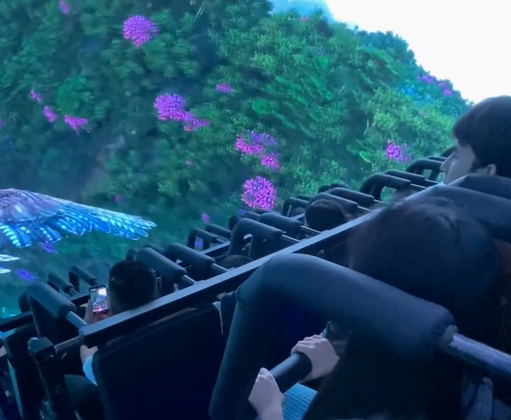
The biggest difference between a traditional movie theater and a 5D cinema is that audiences can physically experience the environment shown on the screen.
A normal movie allows viewers to see and hear a story.
A 5D movie theater adds another layer: physical sensation.
Through synchronized environmental effects, the theater can recreate weather conditions, movement sensations, and atmospheric changes that match the movie scenes.
These effects are controlled through a professional software system that connects:
- Movie timeline
- Motion platform
- Effect generators
- Seat control system
- Lighting equipment
The result is a synchronized experience where every sensation happens at the right moment.
1. Wind Effects
Wind is one of the most common and effective 5D cinema features.
Powerful fans installed around the theater create different airflow sensations.
Examples:
- Flying scenes create strong wind resistance.
- Racing scenes simulate speed.
- Mountain adventures recreate outdoor environments.
- Space exploration scenes create a feeling of movement through unknown worlds.
Wind effects are especially important because airflow immediately changes how the human brain perceives movement.
When audiences see themselves flying and feel wind on their faces, the experience becomes much more realistic.
2. Rain and Water Effects
Water effects allow 5D theaters to reproduce weather-based scenes.
During specific movie moments, the system can release fine water mist or controlled water spray.
Common applications include:
- Storm adventures
- Ocean exploration
- Jungle journeys
- Water rides
Modern commercial systems usually use carefully controlled mist technology rather than large amounts of water, allowing venues to maintain comfort and simplify maintenance.
3. Fog and Smoke Effects
Fog creates atmosphere and emotional impact.
It is commonly used in:
- Horror experiences
- Mystery adventures
- Fantasy environments
- Space exploration
For example:
When a movie shows a mysterious forest, fog can slowly fill the theater.
When a spaceship enters an unknown planet, smoke effects can create the feeling of entering another world.
Fog effects help hide the boundary between the screen and the physical theater.
4. Snow Effects
Snow simulation is a popular feature for winter-themed attractions.
It allows audiences to experience:
- Snow-covered mountains
- Arctic adventures
- Christmas themes
- Frozen landscapes
Artificial snow creates a strong visual and physical connection between the movie and the audience.
For family entertainment centers, snow effects are especially attractive because they create memorable experiences for children.
5. Bubble Effects
Bubble generators create floating bubbles inside the theater.
They are often used in:
- Underwater adventures
- Children’s movies
- Fantasy worlds
- Ocean exploration
Although simple, bubble effects create a strong sense of interaction, especially for younger audiences.
6. Leg Tickler Effects
Leg tickler systems create small physical sensations around the audience’s feet and legs.
They are commonly used for:
- Insect scenes
- Creature adventures
- Jungle exploration
- Horror experiences
For example:
When a movie character walks through a field of insects, audiences may feel a small movement near their legs, creating surprise and excitement.
This type of effect increases audience engagement because it creates unexpected physical interaction.
7. Air Blast Effects
Air blast systems create sudden bursts of air.
They are usually synchronized with:
- Explosions
- Flying objects
- Bullet impacts
- Fast movement scenes
The sudden sensation makes action scenes feel more dynamic.
8. Scent Effects
Some advanced 5D theaters include scent systems.
Different smells can be released according to the movie environment.
Examples:
| Scene | Possible Scent |
|---|---|
| Forest Adventure | Fresh plants |
| Ocean Scene | Sea atmosphere |
| Food Experience | Food aroma |
| Space Fantasy | Special themed scents |
Scent is a powerful memory trigger and can make experiences more emotionally memorable.
9. Lightning and Flash Effects
Lighting effects enhance dramatic scenes.
They are commonly synchronized with:
- Thunderstorms
- Explosions
- Fantasy battles
- Natural disasters
The combination of flashing lights, sound effects, and motion creates a much stronger cinematic impact.
10. Vibration and Impact Effects
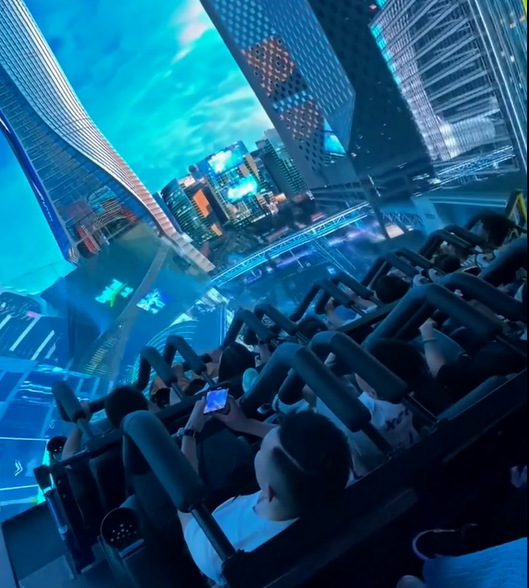
Vibration is one of the most important physical effects in a 5D theater.
Seats can simulate:
- Earthquakes
- Vehicle movement
- Collisions
- Explosions
- Mechanical impacts
These effects make audiences feel connected to the action.
Complete 5D Cinema Special Effects Comparison
| Special Effect | Audience Feeling | Common Application |
|---|---|---|
| Wind | Speed and movement | Flying, racing, adventure |
| Rain Mist | Weather interaction | Storm, ocean scenes |
| Fog | Mystery and atmosphere | Horror, fantasy |
| Snow | Seasonal environment | Winter adventures |
| Bubbles | Fantasy interaction | Ocean, children’s content |
| Leg Tickler | Surprise sensation | Creatures, jungle scenes |
| Air Blast | Impact feeling | Explosions, action scenes |
| Scent | Emotional connection | Nature, themed experiences |
| Lightning | Visual excitement | Storm scenes |
| Vibration | Physical impact | Vehicles, disasters |
What Is the Difference Between a 5D Movie and a Regular Movie?
Many people ask:
What makes a 5D movie different from a normal movie?
The answer is interaction.
Traditional movies mainly stimulate two senses:
- Sight
- Hearing
A 5D movie theater adds:
- Touch
- Movement
- Environmental sensation
The audience becomes physically involved in the experience.
Traditional Cinema vs 5D Cinema Comparison
| Feature | Traditional Movie Theater | 5D Cinema |
|---|---|---|
| Visual Experience | 2D or 3D screen | 3D immersive visuals |
| Seat Movement | No | Motion seats |
| Wind Effects | No | Yes |
| Rain Effects | No | Yes |
| Fog Effects | No | Yes |
| Physical Interaction | Limited | Multi-sensory |
| Audience Experience | Watching | Experiencing |
| Typical Duration | 90–180 minutes | 5–15 minutes |
| Best Location | Movie theaters | Theme parks, malls, FECs |
Why Are 5D Movies Usually Only 5–15 Minutes Long?
One of the most common questions about 5D films is:
“Why are they much shorter than traditional movies?”
The reason is that 5D experiences are designed around physical stimulation rather than long storytelling.
A typical 5D movie focuses on:
- High excitement
- Strong visual impact
- Frequent motion effects
- Short entertainment cycles
There are several reasons for the shorter duration.
1. Better Customer Throughput
Commercial entertainment venues need efficient visitor flow.
A 10-minute experience allows:
- More visitors per day
- Shorter waiting times
- Higher attraction capacity
This makes 5D cinema especially suitable for:
- Shopping malls
- Theme parks
- Tourist attractions
2. Reduced Motion Fatigue
Because 5D theaters include:
- Moving seats
- Wind
- Vibration
- Environmental effects
long sessions may become tiring for some visitors.
Short experiences provide excitement while maintaining comfort.
3. Repeat Visit Potential
Short attractions encourage customers to try:
- Different movies
- New themes
- Seasonal content
This creates more opportunities for repeat visits.
Popular Applications of 5D Theaters
Modern 5D theaters are used in many commercial and educational environments.
They are not limited to amusement parks.
Theme Parks
Theme parks use 5D cinema as compact attractions that deliver strong emotional experiences.
Advantages:
- High visitor appeal
- Small footprint
- Fast turnover
- Weather-independent operation
Shopping Malls
Shopping malls increasingly use immersive attractions to increase visitor engagement.
A 5D theater can:
- Attract families
- Increase customer stay time
- Create entertainment zones
- Support mall traffic growth
Family Entertainment Centers (FECs)
For FEC operators, 5D cinema provides an attraction suitable for multiple age groups.
Popular content includes:
- Adventure
- Racing
- Fantasy
- Space exploration
Museums and Science Centers
5D technology can transform educational content into interactive experiences.
Examples:
- Space exploration
- Ocean conservation
- Dinosaur education
- Historical journeys
Visitors learn while experiencing the environment.
Why Are Businesses Investing in 5D Cinema Technology?
The popularity of 5D cinema is not only driven by entertainment value.
For commercial operators, the technology offers an attractive combination of:
- Strong customer attraction
- Efficient use of space
- High visitor turnover
- Family-friendly appeal
- Flexible content options
Unlike traditional cinemas that require large venues and long movie sessions, a 5D theater can create a premium entertainment experience within a relatively compact area.
This makes it especially suitable for:
- Shopping malls
- Indoor amusement parks
- Family entertainment centers
- Tourist attractions
- Theme parks
- Science museums
The Commercial Advantages of a 5D Theater
1. High Customer Throughput
One of the biggest advantages of 5D cinema is operational efficiency.
Because most 5D movies last between 5 and 15 minutes, operators can serve many visitors throughout the day.
A typical operation flow includes:
- Customer purchase ticket
- Staff organizes seating
- Movie experience starts
- Effects synchronize automatically
- Customers exit and next group enters
This continuous operation model makes 5D theaters highly suitable for locations with strong visitor traffic.
2. Strong Visual Attraction
A traditional arcade machine may attract customers who already know what they want to play.
A 5D theater works differently.
The combination of:
- Large screen
- Moving seats
- Special effects
- Sound
- Lighting
creates a visual attraction that can capture attention from people walking nearby.
This is especially valuable in:
- Shopping mall entrances
- Entertainment zones
- Tourist destinations
3. Suitable for Multiple Age Groups
Another reason businesses choose 5D cinema equipment is its broad audience appeal.
Unlike some attractions designed only for teenagers or adults, 5D experiences can be enjoyed by:
- Children
- Parents
- Teenagers
- Tourists
- Group visitors
Popular themes include:
| Theme Type | Target Audience |
|---|---|
| Cartoon Adventure | Families and children |
| Dinosaur Exploration | Kids and school groups |
| Space Journey | Families and science visitors |
| Horror Adventure | Teenagers and adults |
| Racing Experience | General entertainment users |
How Does 5D Cinema Equipment Work?
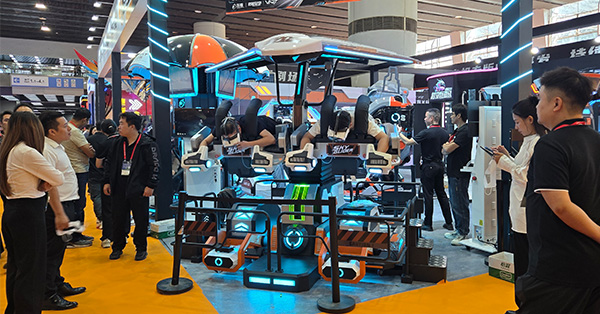
A complete commercial 5D theater system is an integration of multiple hardware and software components.
The main systems include:
1. Projection or Display System
The visual system creates the movie environment.
Commercial systems usually require:
- High-brightness projectors
- 3D playback capability
- Large projection screens
- Professional image processing
The goal is to maintain clear images even in high-traffic public environments.
2. Motion Seat System
The motion platform is the heart of the physical experience.
Depending on the configuration, seats may provide:
- Forward and backward movement
- Side-to-side tilting
- Vertical vibration
- Impact simulation
Advanced systems use multi-axis platforms to create more realistic movement.
3. Effect Control System
The control system connects the movie timeline with physical effects.
For example:
Movie Scene:
A helicopter takes off.
System Response:
- Seat tilts upward
- Wind starts blowing
- Sound increases
- Vibration activates
Everything happens automatically.
4. Theater Management System
Commercial venues require simple operation.
Professional 5D systems often include:
- One-click operation
- Automatic movie switching
- Effect synchronization
- Seat control
- Daily operation management
This allows staff members to manage the attraction efficiently.
Choosing the Right 5D Cinema Setup for Different Venues
Different locations require different solutions.
| Venue Type | Recommended 5D Solution | Main Goal |
|---|---|---|
| Shopping Mall | Compact 5D theater | Increase visitor engagement |
| Theme Park | Large capacity motion theater | Create signature attraction |
| FEC | Family-friendly content library | Encourage repeat visits |
| Museum | Educational 5D experiences | Interactive learning |
| Tourist Area | Adventure-based movies | Extend visitor stay time |
Can You Upgrade a 3D Theater Into a 5D Theater?
Many operators ask:
“Can an existing 3D cinema become a 5D theater?”
The answer is often yes, depending on the existing space and equipment.
A traditional 3D theater can potentially be upgraded by adding:
- Motion seats
- Environmental effects
- Control systems
- Effect synchronization software
However, several factors must be evaluated:
- Theater layout
- Electrical capacity
- Ceiling height
- Safety requirements
- Existing projection system
A professional supplier can evaluate the venue and recommend the right upgrade approach.
Frequently Asked Questions About 5D Cinema
Are 5D movies suitable for kids and families?
Yes.
Most 5D movies are designed to be family-friendly.
Many attractions focus on:
- Adventure
- Exploration
- Fantasy
- Educational themes
The short duration also makes the experience comfortable for younger visitors.
However, operators should select content according to their target audience.
For family entertainment centers, gentle motion and colorful themes are usually preferred.
How long do 5D movies usually last?
Most 5D movies last between 5 and 15 minutes.
This shorter format is intentional.
Unlike traditional movies, 5D experiences focus on:
- Physical effects
- Visual excitement
- High emotional impact
Shorter experiences also improve customer flow in commercial locations.
What is the difference between a 5D movie and a normal movie?
A normal movie mainly provides:
- Visual storytelling
- Sound experience
A 5D movie adds:
- Motion
- Wind
- Water effects
- Environmental sensations
- Physical interaction
The audience does not only watch the story—they experience it.
Do you need special glasses for a 5D cinema?
Most 5D theaters use 3D glasses because the visual content is created using stereoscopic technology.
The glasses allow viewers to experience depth and three-dimensional effects.
Is a 5D theater the same as a 5DX cinema?
Not exactly.
The terms are related but may refer to different commercial systems.
A 5D theater generally describes a cinema format combining:
- 3D visuals
- Motion seating
- Environmental effects
5DX is often used as a branded premium cinema format with advanced motion and special effects.
Can a 5D theater be installed in a shopping mall?
Yes.
Shopping malls are one of the most common locations for commercial 5D theaters.
Reasons include:
- Strong family traffic
- Limited space requirements
- Short experience cycles
- Easy customer attraction
Are 5D theaters profitable for entertainment businesses?
Profitability depends on:
- Location
- Customer traffic
- Ticket pricing
- Equipment selection
- Operating strategy
However, many operators choose 5D cinema because it provides a compact attraction with strong customer appeal.
Conclusion: Why 5D Cinema Is Becoming the Future of Immersive Entertainment
A 5D theater represents the next step beyond traditional movie viewing.
Instead of simply watching images on a screen, audiences can experience:
- Movement
- Weather effects
- Environmental sensations
- Interactive storytelling
This makes 5D cinema an attractive solution for modern entertainment venues looking to create memorable experiences.
For investors and operators, the key is choosing the right combination of:
- Hardware quality
- Movie content
- Venue design
- Customer experience
VART VR provides commercial immersive entertainment solutions including:
- 5D cinema systems
- Motion theater equipment
- VR arcade attractions
- Complete venue planning support
Whether you are upgrading an existing entertainment center or planning a new immersive attraction, a professionally designed 5D theater can help transform ordinary spaces into destinations customers remember.If you are planning to open your own immersive attraction, our guide on how to start a 5D cinema or VR theater business explains the complete process.
Continue Exploring Immersive Cinema Technologies
Learn more about related entertainment solutions: