What Are the Differences Between 5D and 7D Cinemas?


Introduction
In recent years, immersive cinema has taken entertainment to a whole new level. From 3D movies to 4D theaters, and now 5D cinema and 7D cinema, audiences are no longer just watching a film — they are living inside the story. But what exactly is the difference between a 5D theater and a 7D movie theater? And how do these formats enhance the viewing experience beyond traditional film?
In this article, we’ll explore the differences between 5D and 7D cinemas, explain the technology behind them, discuss their applications in entertainment centers, and show why investing in these advanced cinema solutions — such as those offered by VART — is a smart business move.
What is a 5D Cinema?
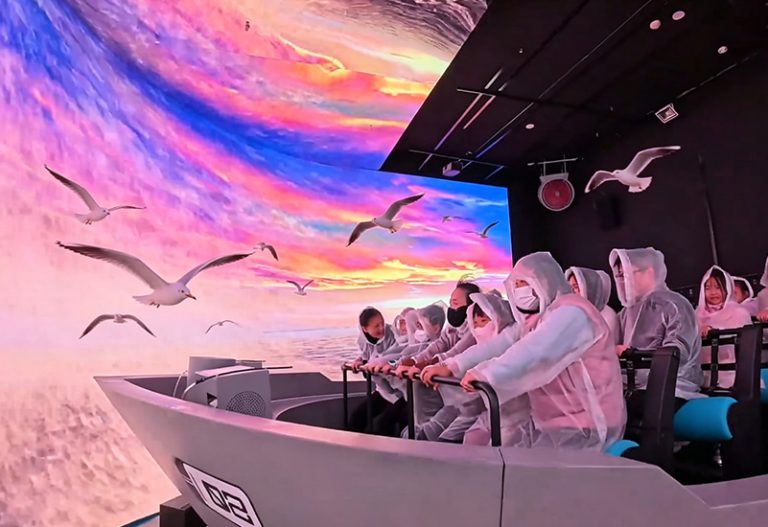
A 5D cinema is an advanced form of 3D or 4D theater that combines three-dimensional visuals with motion seats and environmental effects. The “fifth dimension” refers to the addition of special effects that engage more of the audience’s senses.
Key Features of a 5D Movie Theater
- 3D Visuals: Realistic stereoscopic graphics create depth and immersion.
- Motion Seats: Chairs move in sync with the on-screen action.
- Environmental Effects: Rain, wind, snow, bubbles, fog, and scent.
- Audience Interaction: Limited interactivity compared to 7D, but still highly immersive.
In short, a 5D movie theater makes viewers feel as though they are inside the film rather than just watching it.
What is a 7D Cinema?
While a 5D theater focuses on sensory immersion, a 7D cinema goes further by introducing gamification and interactivity. When people ask, “What is 7D movie technology?” or “What is 7D theatre?”, the answer is: it’s a cinema experience where viewers are active participants, not just spectators.
Key Features of a 7D Movie Theater
- All Elements of 5D Cinema: 3D visuals, motion seats, and effects.
- Interactive Shooting System: Audiences use laser guns or controllers to interact with the story.
- Scoring System: Players compete with each other, turning a movie into a game.
- Multiple Story Outcomes: Different endings based on viewer participation.
A 7D cinema combines the thrill of gaming with the immersion of cinema, making it especially popular in arcades, theme parks, and VR attractions.

Differences Between 5D and 7D Cinemas
| Feature | 5D Cinema | 7D Cinema |
| Immersion Level | Sensory-focused (sight, sound, motion, effects) | Sensory + interactive participation |
| Audience Role | Passive (watch and feel) | Active (watch, feel, and play) |
| Technology | 3D screen + motion seats + effects | 5D elements + shooting system + game scoring |
| Best For | Families, casual entertainment | Groups, gamers, competitive audiences |
| Business Value | High turnover, repeatable experiences | High engagement, replayability, social sharing |
This comparison shows why both cinema formats have unique appeal and why many entertainment centers invest in both 5D and 7D theaters.
Why Do People Confuse 4D, 5D, and 7D Theaters?
Many visitors still ask, “What does 4D mean in movies?” The answer is that 4D movies add motion seats and effects to a 3D film. A 5D theater adds more sensory depth, while 7D cinema brings in interaction.
Think of it this way:
- 4D movie = 3D visuals + motion + effects.
- 5D movie theater = 4D + richer environmental effects.
- 7D theater = 5D + interactivity and gamification.
Understanding this evolution helps businesses explain the value of upgrading to 5D or 7D systems.
Market Demand for 5D and 7D Cinemas
According to entertainment industry surveys, immersive attractions like 5D theaters and 7D movie theaters are among the top revenue drivers in malls, theme parks, and VR centers.
- Repeat Visitors: 7D cinemas encourage repeat plays due to competitive scoring.
- Group Appeal: Families prefer 5D cinemas, while younger audiences enjoy 7D theaters.
- High ROI: Operators report 30–40% higher returns compared to standard 3D cinemas.
These numbers demonstrate why investing in immersive cinema technology is profitable.
Business Applications of 5D and 7D Cinemas
Shopping Malls and Entertainment Centers
Both 5D and 7D theaters attract foot traffic, extend visitor stay time, and increase overall spending.
Theme Parks and Tourist Attractions
These cinemas act as signature experiences, drawing crowds and enhancing park reputations.
Standalone VR Centers
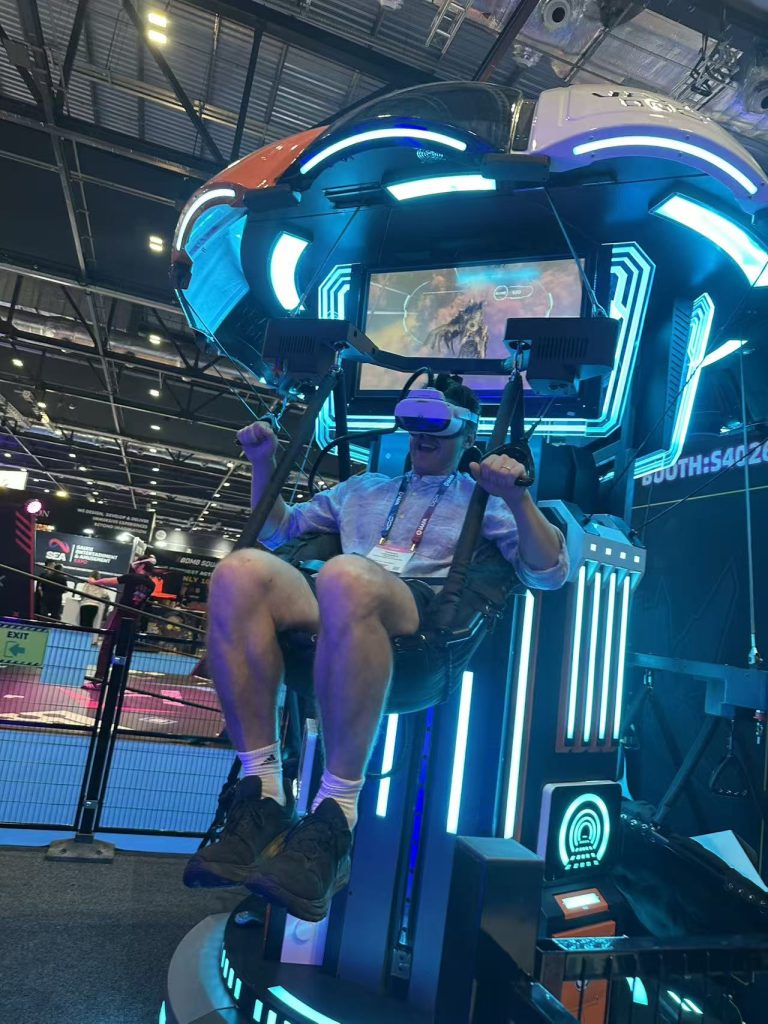
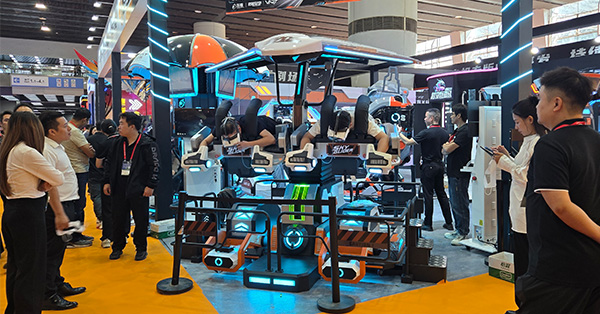
Businesses like VART provide modular VR and cinema solutions, allowing small venues to set up 5D or 7D theaters with minimal space.

Why Choose VART for 5D and 7D Cinema Solutions?
As a leading provider of VR simulators and immersive cinema equipment, VART designs systems optimized for high reliability and audience satisfaction.
Advantages of VART’s 5D and 7D Cinemas
- Durable Motion Seats: Built for long hours of operation.
- Customizable Effects: Snow, rain, wind, smoke, and scent add realism.
- Interactive Shooting Games (7D): Advanced scoring keeps audiences engaged.
- Flexible Installation: Suitable for malls, arcades, or tourist destinations.
- High ROI: Designed for quick payback and repeat customer visits.
When operators search for “what is 7D theatre” or compare 5D cinema options, VART stands out as a trusted global partner.
How to Decide Between 5D and 7D Cinema?
When choosing the right system, consider:
- Target Audience: Families may prefer 5D, while teenagers and gamers lean toward 7D.
- Budget: 5D theaters are often less costly to install, but 7D cinemas generate higher replay value.
- Space: Both systems are scalable, but 7D requires extra setup for interactive equipment.
- Business Goals: If you want quick turnover, 5D is ideal. If you want competitive engagement, choose 7D.
For many operators, a hybrid approach — offering both formats — maximizes customer satisfaction.
Future Trends in Immersive Cinema
The future of cinema continues to evolve. Technologies like VR headsets, AI-driven storytelling, and AR-enhanced environments may soon merge with 5D and 7D theaters. Operators who invest early will benefit from higher brand visibility and long-term growth.
Conclusion and Call to Action
The difference between 5D cinema and 7D cinema comes down to interactivity. A 5D theater focuses on sensory immersion, while a 7D movie theater combines this with gaming elements, making audiences active participants. Both offer strong business opportunities, especially in entertainment centers, malls, and theme parks.
If you’re considering installing a 5D or 7D cinema system, now is the time to act. VART provides high-quality, customizable, and profitable solutions that bring audiences back again and again.
Explore our full range of immersive cinema and VR simulators at VART Arcade and contact us today for a free consultation.
In summary, both 5D and 7D cinemas offer immersive experiences, but they serve different operational goals. For commercial venues such as shopping malls and family entertainment centers, understanding these differences is critical. To explore a complete commercial solution and practical deployment considerations, visit our detailed 5D cinema solution page.
Related Reading and Next Steps
- New to 5D? Read our guide: What Is a 5D Movie? Complete Guide to 5D Film Technology
- 7D Cinema Movie Theater: Combines motion seats, environmental effects and an interactive shooting game with scoring.
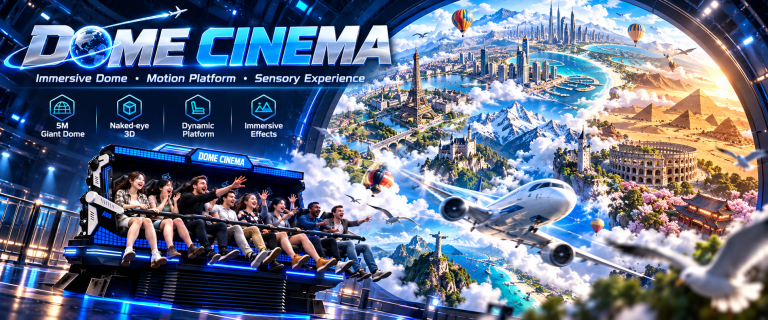
- Bermuda Adventure Cinema: A glasses-free motion cinema with a curved 4K screen, multi-DOF motion cabin and wind, water, snow and bubble effects. Customizable from 12 seats.
FAQ: Common Questions About 5D and 7D Cinemas
Q1: What is a 5D cinema?
A 5D cinema is a theater experience that combines 3D visuals, motion seats, and environmental effects such as wind, rain, snow, or bubbles. It gives audiences a fully immersive experience where they feel like they are part of the story.
Q2: What is a 7D movie?
A 7D movie is a next-level cinema format where audiences not only see and feel the film but also interact with it. Using laser guns or controllers, viewers can shoot at objects on the screen, earn points, and even influence the storyline. This makes 7D cinemas more engaging and competitive.
Q3: What does 4D mean in movies?
When people ask “what is a 4D movie?” or “what does 4D mean in movies?”, the answer is: it’s a film experience that combines 3D visuals with motion and environmental effects. For example, if a car is racing on screen, the seats may vibrate to simulate the motion.
Q4: What is the difference between 5D and 7D cinemas?
The main difference is interactivity. A 5D theater immerses viewers with sensory effects, while a 7D theater adds an interactive shooting system and scoring, turning the movie into a game-like experience.
Q5: Which is better for business, 5D or 7D cinema?
Both formats are profitable. 5D cinemas are ideal for families and first-time visitors, while 7D cinemas encourage repeat visits thanks to their competitive gameplay. Many venues choose to install both for maximum customer reach.
Q6: How much space do I need for a 5D or 7D theater?
Space requirements vary, but modular setups from providers like VART allow installations in shopping malls, arcades, and theme parks. Even smaller venues can set up compact versions of these theaters.
Q7: Are 4D, 5D and 7D official industry standards?
No. There is no fixed industry standard for these terms. They are mostly marketing labels, and different suppliers may use the same name for different setups. When comparing equipment, ask for the exact list of special effects, the seat motion type, and whether the system includes interactive features, rather than relying on the “D” number alone
Q8: How much does a 7D cinema cost?
The price depends on the number of seats, the type of motion platform, the number of special effects, and whether the system includes an interactive shooting game. Because every venue has a different floor area and budget, the best way to get an accurate figure is to share your space and expected visitor numbers with our team, who will recommend a matching setup with a quotation.
Q9: Is a 5D or 7D movie safe for children?
Most venues set a minimum height so children can sit securely and use the safety belt or bar. Strong effects such as water spray, wind and flashing lights can startle younger children, so it is best to check the venue’s guidelines first. For more detail, see our guide: Is a 5D movie safe?