VR Roller Coaster Simulator -The Future of Immersive Amusement Rides


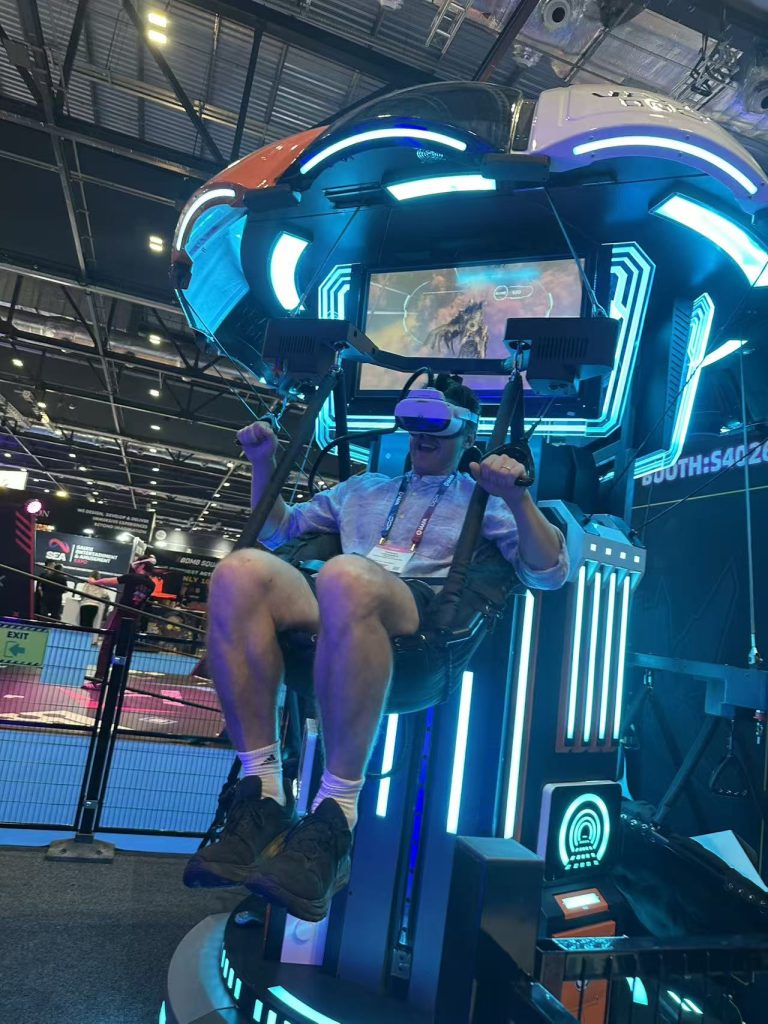
A VR roller coaster simulator combines virtual reality technology with motion platforms to recreate the thrilling experience of a real roller coaster ride.
Instead of building massive steel tracks that require huge investments and large land areas, entertainment venues can install compact VR simulators that provide similar excitement.
Because of this flexibility, VR roller coaster simulators are becoming popular attractions in:
- VR arcades
- indoor theme parks
- shopping malls
- family entertainment centers
How a VR Roller Coaster Simulator Works?
A VR roller coaster simulator creates an immersive ride experience by synchronizing VR visuals with physical motion.
VR Headset
The VR headset displays a virtual roller coaster environment and tracks the player’s head movements to create a 360-degree immersive experience.
Motion Platform
Motion platforms simulate physical movements such as:
- drops
- turns
- acceleration
- vibration
These movements are synchronized with the VR content to create the sensation of riding a real roller coaster.
Special Effects
Many VR roller coaster simulators include additional effects such as:
- wind effects
- surround sound
- vibration feedback
These features make the experience more realistic and exciting.
Advantages of VR Roller Coaster Simulators
Compared with traditional roller coasters, VR simulators provide several advantages for entertainment venues.
Lower Investment Cost
Building a traditional roller coaster requires millions of dollars and large outdoor areas.
VR simulators provide similar thrills at a much lower cost.
Flexible Installation
VR roller coaster simulators can be installed in indoor locations such as shopping malls or VR arcades.
This flexibility allows operators to create exciting attractions even in limited spaces.
Multiple Ride Experiences
Unlike traditional roller coasters, VR simulators can offer multiple ride experiences simply by changing the VR content.
This allows operators to keep the attraction fresh and exciting for returning visitors.
Where VR Roller Coaster Simulators Are Used?
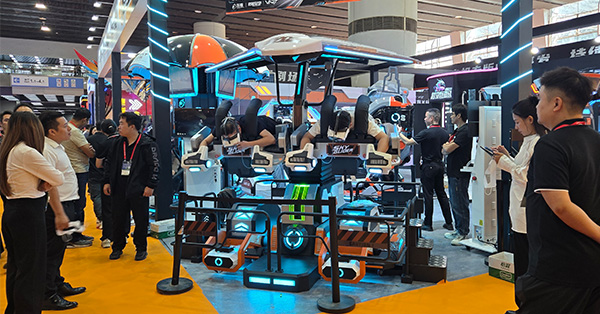
VR roller coaster simulators are widely used in modern entertainment venues.
Common installation locations include:
- indoor theme parks
- VR entertainment centers
- family entertainment centers
- tourist attractions
Manufacturers such as VART VR develop commercial VR simulators designed specifically for high-traffic entertainment venues.
Are VR Roller Coaster Simulators Profitable?
Many operators invest in VR roller coaster simulators because they can generate strong revenue.
Typical ticket prices range from: $5 – $15 per ride
In busy locations, VR simulators can recover their investment cost within 6 to 12 months.

Conclusion
VR roller coaster simulators combine advanced virtual reality technology with motion platforms to create thrilling amusement rides.
Because they require less space and lower investment than traditional roller coasters, these simulators are becoming important attractions in modern theme parks and entertainment centers.
FAQ
What is a VR roller coaster simulator?
A VR roller coaster simulator is a motion-based VR ride that recreates the experience of a roller coaster using virtual reality headsets and synchronized motion platforms.
How much does a VR roller coaster simulator cost?
Commercial VR roller coaster simulators typically cost depending on motion platform technology and hardware configuration.
Where are VR roller coaster simulators used?
They are commonly installed in VR arcades, indoor theme parks, shopping malls, and family entertainment centers.