Virtual Reality Flight Simulator: What It Is, Types, and How Venues Use It

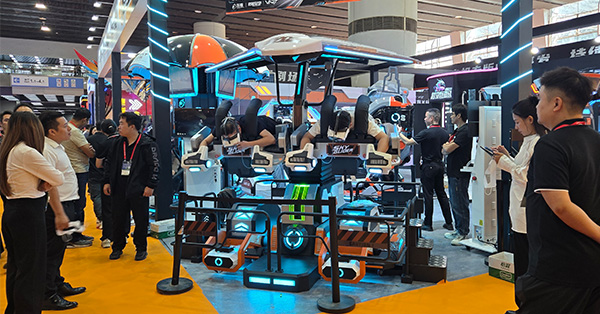
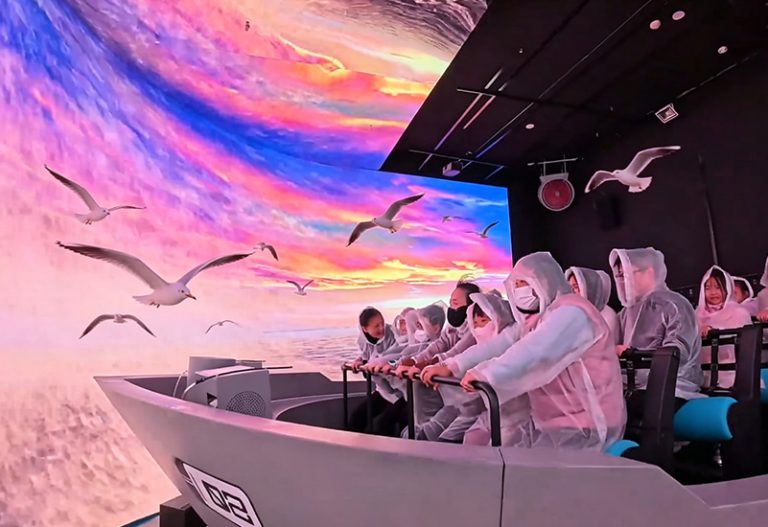
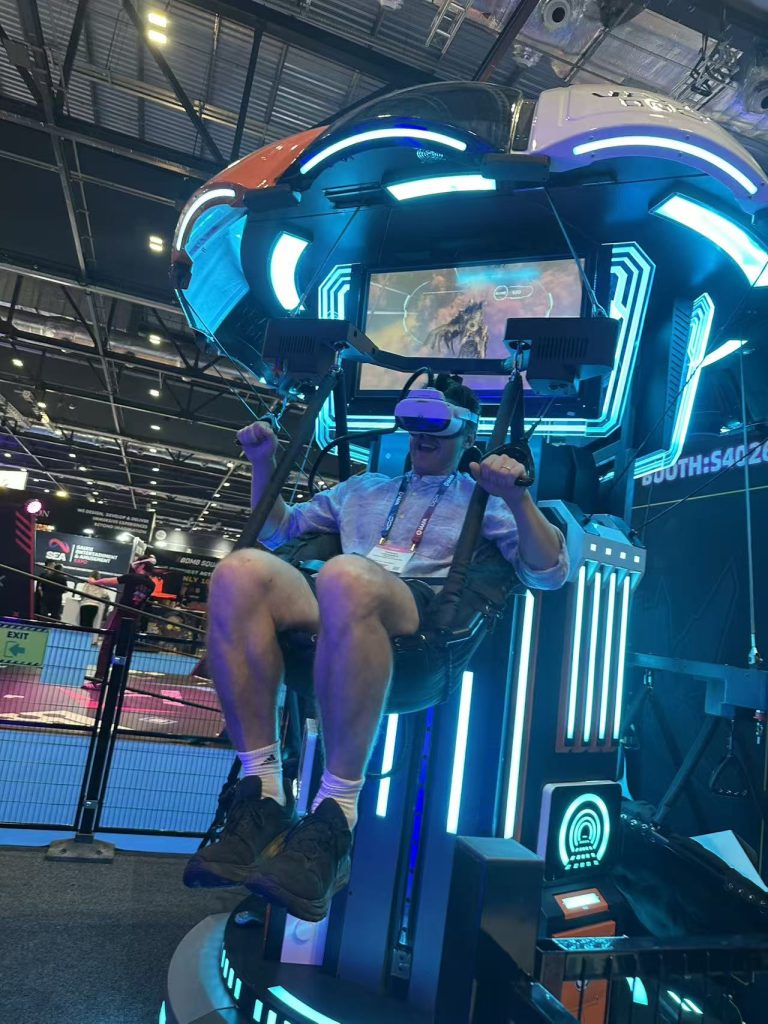
A virtual reality flight simulator uses a VR headset, and usually a motion seat or platform, to make riders feel as if they are flying. Entertainment versions let guests glide, parachute or fly through virtual scenery. Commercial models are built for VR parks, malls and attractions, where many guests ride every day.
Key takeaways
- VR flight simulation combines a headset, motion and content. The match between what riders see and feel creates the flying sensation.
- There are several types: home flight games, cockpit-style simulators and ride-style attractions such as sky gliders and parachute simulators.
- Commercial VR flight simulators are made for public venues, with restraints, operator controls and durable parts.
- Choose by your visitors, space and group size, and ride the machine before you buy.
- VR flight rides are for entertainment, not certified pilot training.
What is a virtual reality flight simulator?
A virtual reality flight simulator is a machine or system that gives people the experience of flying using VR. A headset shows a 3D flight scene, such as soaring over mountains, gliding above a coast or descending by parachute. Many entertainment models add a motion seat that moves with the picture, so riders feel lift, tilt and turns rather than only seeing them.
You may also see the same idea called VR flight, VR flying simulator, virtual reality flying, flight simulation VR or virtual reality flight. All of these terms point to the same basic experience: using VR to simulate flying.
How does VR flying work?
- The headset displays the flight scene and tracks head movement, so riders can look around naturally.
- The software runs the flight content: the route, scenery, speed and events.
- The motion seat or platform moves in time with the scene, giving the body the matching feeling of tilting, climbing or descending.
- Controls and operator systems let staff start, stop and monitor the ride. Some rides add rider controls; others are fully guided.
- Safety systems such as seat belts, restraints and emergency stop keep riders secure.
The key is synchronization. When the picture and the motion match, riders feel as though they are really flying. When they do not, the experience feels flat or uncomfortable, which is why good motion design and tested content matter.
Types of VR flight simulators
| Type | What it is | Typical use |
|---|---|---|
| Home VR flight games | A headset with a PC or console game, sometimes with a joystick | Personal entertainment at home |
| Cockpit-style simulators | A seat and controls that resemble an aircraft cockpit | Hobbyists, training aids, some attractions |
| Sky glider or hang-glider style rides | Riders are positioned as if gliding, with a VR flight over scenery | Malls, VR parks, tourist attractions |
| Parachute simulators | VR parachute-style flight with a sense of height and descent | VR parks, theme venues, tourist sites |
| Group flight simulators | Multi-seat machines so several riders fly together | Family entertainment centers, attractions |
This guide focuses on the ride-style and group types, because they are the machines venues buy to build an attraction.
VR airplane, VR plane, aviation VR: what do these terms mean?
People search for flying in VR in many ways, and the words are used loosely. This table shows what each usually means so you can find the right kind of product.
| Search term | Usually means |
|---|---|
| VR airplane / airplane simulator VR / VR plane | Flying an aircraft in VR, often a game or cockpit simulator |
| Aviation VR / aircraft VR | VR content related to aircraft, from games to training demos |
| VR flying / flying VR / virtual reality flying | Any VR experience of flying, including gliding and skydiving |
| VR flight / virtual reality flight | A VR flight experience, either home or commercial |
| Flight simulation VR / VR and flight simulation | The technology of simulating flight with VR |
| Commercial virtual reality flight simulator | A ride-style machine built for public venues |
Commercial virtual reality flight simulator products for venues
A commercial virtual reality flight simulator is built for a business, not for home use. It has to run many rides a day, keep riders safe, and be simple for staff to operate. Compared with a home setup, a commercial model usually offers:
- Public-venue safety features: restraints, emergency stop and rider limits.
- Durable construction designed for frequent use and cleaning.
- Operator controls to start, stop and monitor rides.
- Content made for shared experiences with clear, repeatable rides.
- Support for businesses: warranty, spare parts and after-sales service.
Which venues use VR flight simulators?
- VR parks and VR arcades
- Shopping malls and entertainment centers
- Family entertainment centers (FECs)
- Tourist attractions, scenic areas and theme parks
- Cinema lobbies, hotels and resorts
Want to see what operators are buying right now? Read VR Attraction Trends 2026.
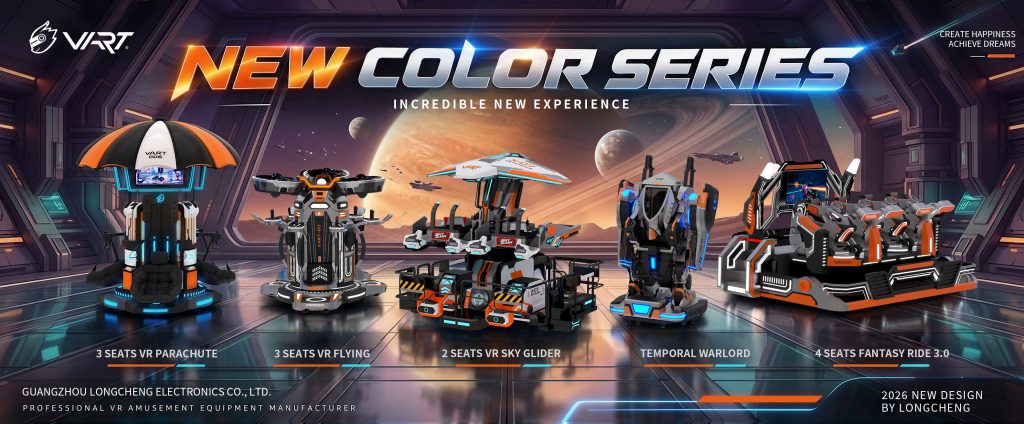
VART’s VR flight simulators
VART builds VR simulators in Guangzhou. For flying and parachute experiences, the main models are:
- 2 Seats VR Sky Glider Simulator: a two-seat gliding flight for pairs, couples and parent-and-child riders.
- 3 Seats VR Parachute Simulator: a three-seat parachute-style flight with independently operated seats, for families and groups.
- Three-Person VR Flight Simulator: a group flight attraction for venues that want a headline ride.
- VR Parachute Simulator for Sale: purchase information and quotation details for parachute simulators.
To browse the full range, visit our VR flight simulator page.
Not sure what fits your venue? Read the VR Flight Attractions Buyer’s Guide 2026, What Is a VR Sky Glider Simulator?, VR Sky Glider vs Traditional Seated VR Flight Simulator and How a 3-Seat VR Parachute Simulator Works. For the parachute side of the range, start with our parachute simulator guide.
How a venue estimates riders per hour
A simple formula helps you compare machines:
Riders per hour = (60 ÷ cycle time in minutes) × seats × fill rate
Cycle time includes loading, the ride and unloading. Use the real ride length from the spec sheet and a realistic fill rate. Note that machines differ: some run all seats on one shared cycle, as the VART 2-seat sky glider does, while the VART 3 Seats VR Parachute Simulator lets each seat run independently, so an empty seat does not hold up the others. See why 3-seat multiplayer beats single-rider VR for FEC throughput and the sky glider ROI guide for worked examples.
What to check before you buy a VR flight simulator
- Who your visitors are. Pairs, families or larger groups decide which seat count fits.
- Space and power. Confirm footprint, ceiling height, power supply and access route on the spec sheet.
- Certificates and documents. Ask for the declaration of conformity and test reports that apply to your market.
- Safety features. Check restraints, emergency stop, rider limits and operator view.
- Content and updates. Ask how many flights are included, in which languages, and how updates work.
- Warranty and spare parts. Know what is covered, and which parts you should keep in stock.
- Delivery and installation. Ask about lead time, packing, shipping terms and installation support.
- A test ride. Ride the machine and watch it run for several cycles.
For supplier due diligence, read 9 Questions to Ask a Chinese VR Machine Manufacturer Before You Order. For space and power planning, see Site Requirements for a 2-Seat VR Glider and ask us for a free venue layout drawing.
Cost factors to compare
The machine price is only part of the picture. When you compare quotations, include:
- What the price includes: seats, headsets, content, controls and spare parts
- Shipping, packing and customs
- Installation and training
- Electricity and floor space
- Staff per shift
- Content updates and spare parts
- Insurance and local safety requirements
Ask each supplier for a written quotation and compare the total cost of owning and running each ride, not only the purchase price.
Is a VR flight simulator used for pilot training?
Entertainment VR flight simulators, including the ride-style machines described here, are made for fun, tourism and attractions. Pilot training simulators are a separate category, built and certified for training purposes. If you need pilot training equipment, ask the supplier about the relevant certification. Do not use an entertainment ride as a substitute for certified training.
Try a VR flight simulator in Guangzhou
The best way to understand a VR flight simulator is to ride one. Our factory is in Panyu District, Guangzhou. Our team can run the machines, show you how they work and prepare a quotation based on your venue.
Book a test ride
- Phone / WhatsApp: +86 18122722483
- Email: [email protected]
- Address: 202, Floor 2-3, No 5th Shixin Rd, Xinshuikeng Village, Dalong Street, Panyu District, Guangzhou, China
Please send your name, group size, preferred date and the models you want to ride. We recommend contacting us at least one day ahead.
Frequently asked questions
What is a virtual reality flight simulator?
A virtual reality flight simulator uses a VR headset, and often a motion seat or platform, to make riders feel as if they are flying. Entertainment versions let guests glide, parachute or fly an aircraft through virtual scenery.
How does VR flying work?
The headset shows a 3D flight scene, while software and a motion seat move the rider in time with what they see. This match between picture and motion is what creates the feeling of flying.
What is the difference between a VR flight simulator and a flight training simulator?
Entertainment VR flight simulators are designed for fun experiences in arcades, malls and attractions. Pilot training simulators are built and certified for training. A VR flying ride should not be used as a substitute for certified pilot training.
What are commercial virtual reality flight simulator products?
They are VR flight machines built for businesses such as VR parks, malls, family entertainment centers and tourist attractions. They are made for repeated daily use by many guests, and usually include safety restraints, operator controls, and content designed for public venues.
How many people can ride a VR flight simulator at once?
It depends on the model. VART offers a 2 Seats VR Sky Glider Simulator, a 3 Seats VR Parachute Simulator and a Three-Person VR Flight Simulator, so venues can choose by group size.
What do VR airplane, VR plane and aviation VR mean?
People use these terms loosely for VR experiences about flying. They can refer to home flight games, cockpit-style simulators, or ride-style attractions. This guide focuses on ride-style VR flight simulators for venues.
What should a venue check before buying a VR flight simulator?
Check certificates for your market, rider limits, restraints and emergency stop, footprint and ceiling height, power supply, content and updates, warranty, spare parts, delivery time and after-sales support. Ride the machine before you buy if you can.
Can I try the VART VR flight simulators in person?
Yes. Visit our factory in Panyu District, Guangzhou. Message us on WhatsApp at +86 18122722483 or email [email protected] with your name, group size, preferred date and the models you want to ride.
Final thoughts
A virtual reality flight simulator turns a simple idea, flying, into an attraction guests remember and share. For venues, the right choice comes down to your visitors, your space and the quality of the machine and support behind it. Learn the types, check the safety and documents, compare total costs, and ride the machine before you decide. If you tell us about your venue, we will help you choose the right setup.