Is a VR Flying Simulator a Profitable Investment?


Introduction
For many entertainment venue owners and investors, the key question is not only what a VR Flying Simulator is or how it works, but whether it is truly a profitable investment. As immersive VR attractions continue to gain popularity worldwide, VR Flying Simulators have become one of the most talked-about location-based entertainment solutions.
Thanks to their strong visual impact, immersive motion experience, and broad audience appeal, these simulators are increasingly viewed as high-return attractions. To better understand the fundamentals of the product itself, it is useful to start with what a VR Flying Simulator is and why it has become so popular in modern entertainment venues.
Why VR Flying Simulators Attract Paying Customers?
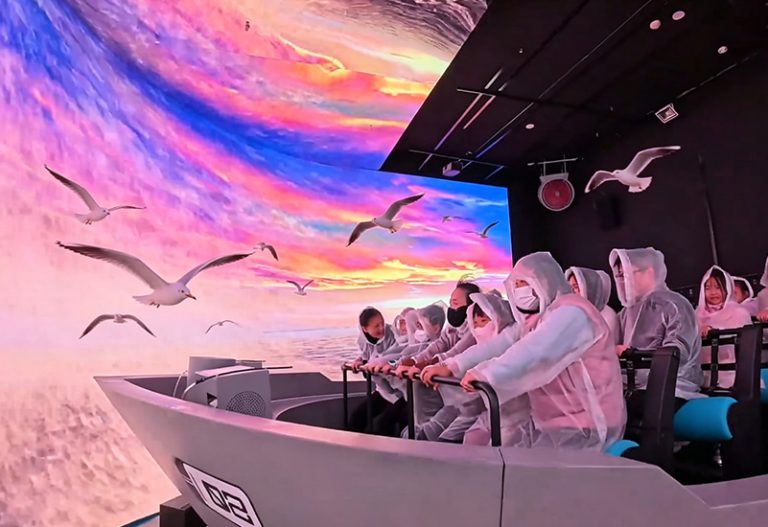
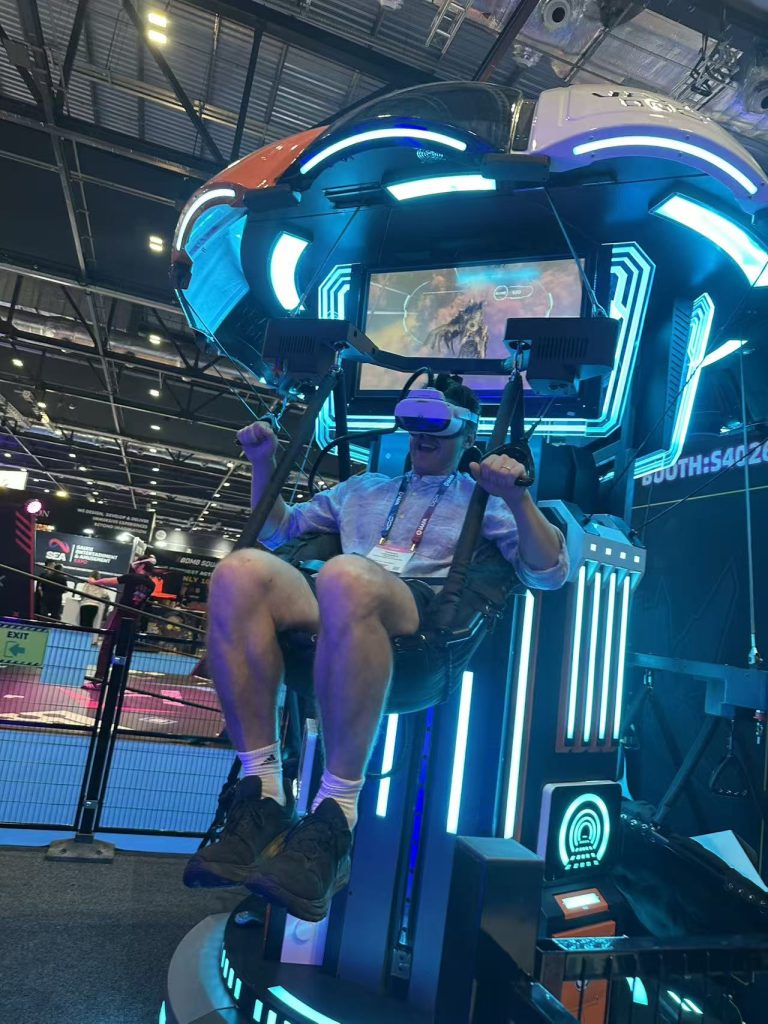
A major reason behind the commercial success of VR Flying Simulators is their ability to deliver a unique experience that customers cannot easily replicate at home. The sensation of flying, combined with synchronized motion and VR visuals, creates a strong emotional response.
Visitors are willing to pay premium prices because:
- The experience feels immersive and realistic
- The ride is suitable for a wide age range
- Each session delivers strong visual and physical stimulation
This high perceived value directly supports higher ticket pricing and repeat visits.
Revenue Potential and Throughput
High Ticket Value per Ride
Compared with traditional arcade games, VR Flying Simulators command higher per-play prices. Customers see them as premium attractions rather than casual games, making higher pricing easier to justify.
Efficient Throughput and Group Play
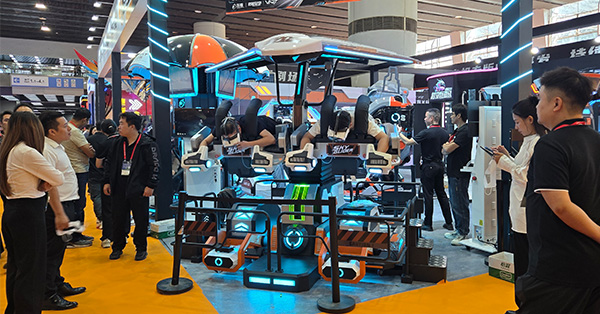
Modern systems support multiple players simultaneously. This allows operators to serve more customers per hour while maintaining a compact footprint. Group participation also encourages friends and families to ride together, increasing overall revenue per session.

Cost Structure and Operational Efficiency
From an investment standpoint, cost control is just as important as revenue generation. VR UFO Machine typically offer a favorable balance between performance and operational expense.
Key cost advantages include:
- Digital content updates without hardware replacement
- Minimal staffing requirements
- Lower maintenance compared with large mechanical rides
Energy consumption is also relatively low, helping operators maintain stable operating margins.
ROI Compared with Other VR Attractions
When compared with other VR-based attractions, VR Flying Simulators often deliver faster and more predictable returns.
- Compared with single-player VR stations, they support higher throughput
- Compared with large motion rides, they require less space and lower installation costs
- Compared with traditional arcade machines, they offer higher ticket prices
This combination makes them especially attractive for shopping malls, theme parks, and VR experience centers.
Ideal Locations for Maximum Profitability
The profitability of a VR Flying Simulator is closely tied to location. High-performing venues typically include:
- Shopping malls with strong foot traffic
- Theme parks and family entertainment centers
- Tourist areas and indoor amusement venues
Visibility and accessibility play a key role in maximizing ride frequency and impulse purchases.

Equipment Quality and Long-Term Investment Value
Not all VR Flying Simulators deliver the same results. Equipment quality directly affects uptime, customer satisfaction, and maintenance costs. Systems with stable motion control, reliable synchronization, and durable structures reduce operational risk.
To better understand the technical factors behind system performance, operators may explore how a VR Flying Simulator works and how motion and control technology influence user comfort and reliability.
Scalability and Customization Opportunities
Another factor that improves long-term profitability is scalability. Many VR Flying Simulator systems can be customized with:
- Different seating configurations
- Adjustable motion intensity
- New content and themed experiences
This flexibility allows operators to refresh the attraction over time and adapt it to different customer segments.
Conclusion – Is a VR Flying Simulator Worth the Investment?
For most modern entertainment venues, the answer is yes. VR Flying Simulators combine immersive technology, strong customer appeal, and efficient operation into a single attraction with high commercial potential.
When installed in the right location and supported by reliable equipment, a VR Flying Simulator can deliver consistent revenue, strong ROI, and long-term business value.