Is 5D Cinema Profitable for Shopping Malls?


Shopping malls are no longer just retail destinations. To stay competitive, mall operators increasingly rely on immersive entertainment attractions that increase dwell time, attract family visitors, and generate repeat revenue. Among these options, 5D cinema has emerged as one of the most cost-effective and scalable attractions for modern shopping malls and family entertainment centers (FECs).
But the key question for investors remains: Is 5D cinema actually profitable?
This article breaks down the ROI logic, operating model, and payback expectations of commercial 5D cinema installations, with a focus on real-world mall applications.
Why Shopping Malls Are Investing in 5D Cinema?
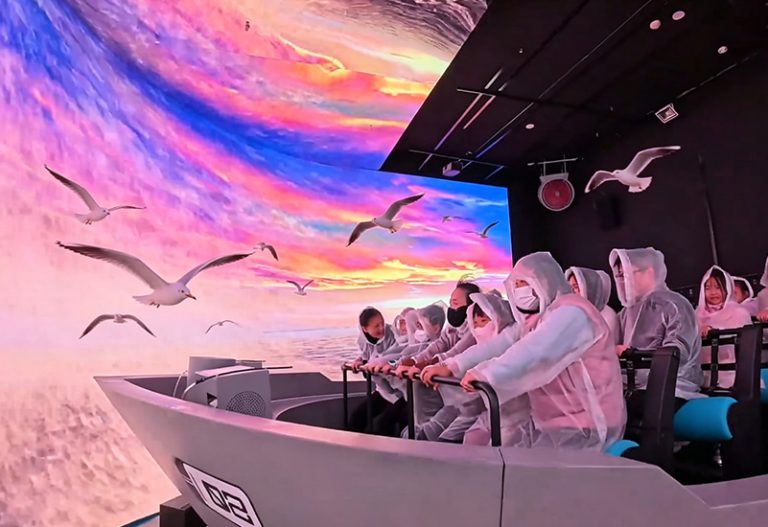
5D cinema appeals to mall operators because it balances high visitor engagement with manageable investment risk.
Unlike large-scale rides or full VR arenas, 5D cinema systems:
- Require relatively compact indoor space
- Serve a wide age range, including families and casual visitors
- Operate on short session cycles, enabling high daily throughput
For malls looking to add an entertainment anchor without disrupting existing tenant layouts, 5D cinema provides a flexible solution that fits both large and mid-sized commercial environments.
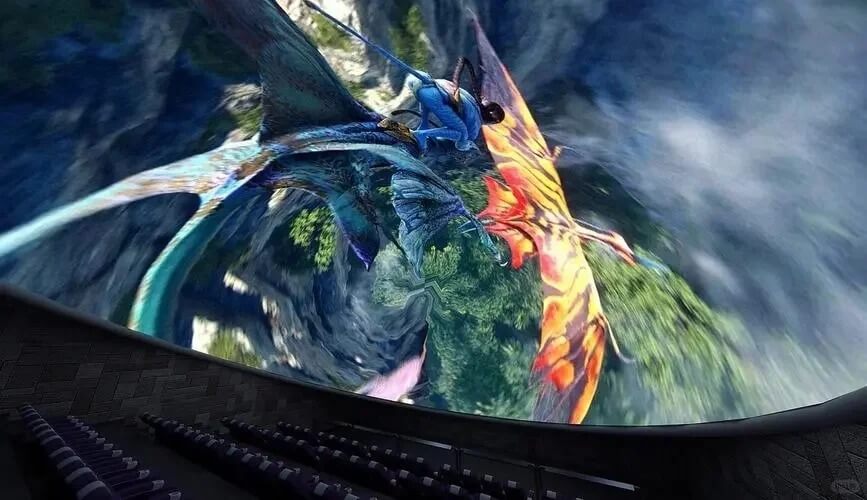
Typical 5D Cinema Setup Costs
The total investment for a 5D cinema varies depending on seat count, system configuration, and special effects package. However, compared to other immersive attractions, 5D cinema falls into a moderate and controllable cost range.
Key cost components usually include:
- Motion seats and platform system
- Environmental effects (wind, vibration, water spray, etc.)
- Control system and synchronized film content
- Installation and commissioning
Because the system is modular, operators can scale the investment according to venue size and target capacity, making it easier to align costs with expected foot traffic.
Revenue Model: How 5D Cinema Generates Income?
The profitability of 5D cinema depends on a simple but efficient revenue model.
Typical characteristics include:
- Short film duration, allowing multiple sessions per hour
- Affordable ticket pricing suitable for impulse purchases
- Strong repeat play potential due to varied content
In shopping malls, 5D cinema often benefits from:
- Weekend and holiday traffic peaks
- Family group participation
- Cross-promotion with other entertainment tenants
This model enables steady daily revenue rather than relying on occasional high-ticket experiences.
5D Cinema ROI and Payback Period
From an ROI perspective, 5D cinema is valued for its predictable operating performance.
While exact payback periods depend on location and management, many mall-based installations aim for:
- Consistent daily session volume
- Stable operational costs
- A balanced return period aligned with long-term mall planning
Compared with more complex interactive attractions, 5D cinema systems generally offer:
- Lower maintenance complexity
- Reduced staffing requirements
- Stable system uptime for continuous operation
These factors contribute to a more reliable path to investment recovery.
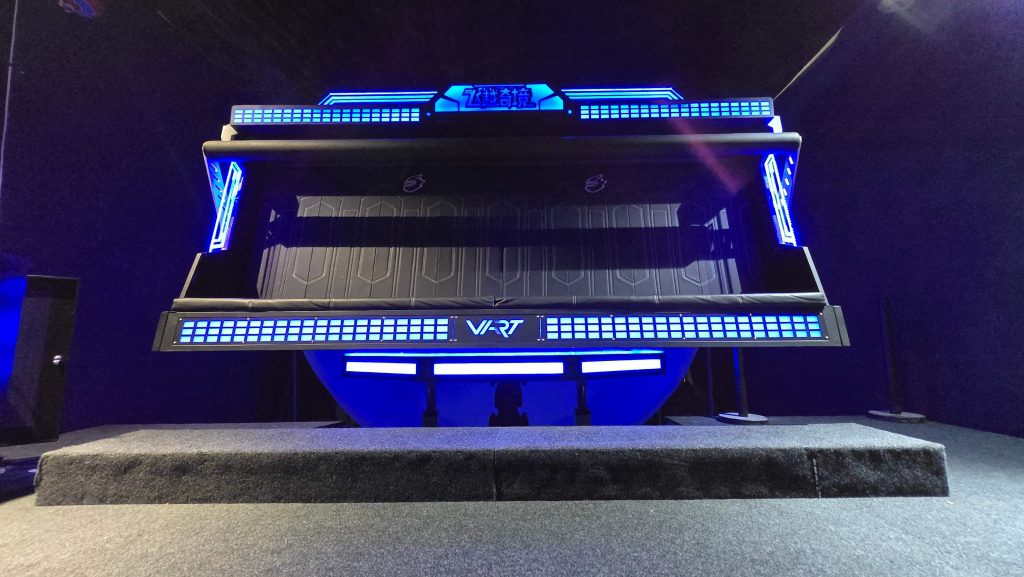
Operational Advantages That Improve Profitability
Beyond ticket revenue, several operational factors enhance the overall profitability of 5D cinema:
- High throughput: Short sessions maximize daily capacity
- Minimal staffing: Automated operation reduces labor costs
- Compact footprint: Efficient use of premium mall space
- Durable system design: Built for continuous commercial use
For mall operators focused on long-term stability rather than short-term novelty, these operational advantages are often decisive.
Is 5D Cinema a Good Investment for Malls?
For shopping malls and FECs seeking a balanced entertainment investment, 5D cinema offers a compelling combination of immersion, efficiency, and scalability.
It may not replace large flagship attractions, but as a reliable revenue-generating experience, 5D cinema continues to prove its value in commercial environments worldwide.
To fully evaluate system configurations, application scenarios, and long-term operational considerations, explore our complete 5D cinema solution overview, which explains how commercial 5D cinema systems are designed for malls and entertainment venues.
FAQ: 5D Cinema Profitability & Investment
Q1: Is 5D cinema profitable for shopping malls?
A: Yes. For shopping malls, 5D cinema is considered a stable and scalable attraction due to its high throughput, family-friendly appeal, and relatively controlled operating costs. Profitability depends on foot traffic, pricing strategy, and daily session volume.
Q2: How long does it take to recover the investment in a 5D cinema?
A: The payback period varies by location and management model, but many commercial venues focus on steady daily operation and long-term revenue rather than short-term returns.
Q3: What factors affect 5D cinema ROI the most?
A: Key factors include venue foot traffic, ticket pricing, session frequency, operational efficiency, and system reliability. Proper placement within a mall can significantly influence performance.
Q4: Is 5D cinema suitable for small or mid-sized shopping malls?
A: Yes. Thanks to its compact footprint and modular configuration, 5D cinema can be adapted to different mall sizes and integrated into existing entertainment zones.