How to Start a VR Paragliding Business in 2026?

Introduction
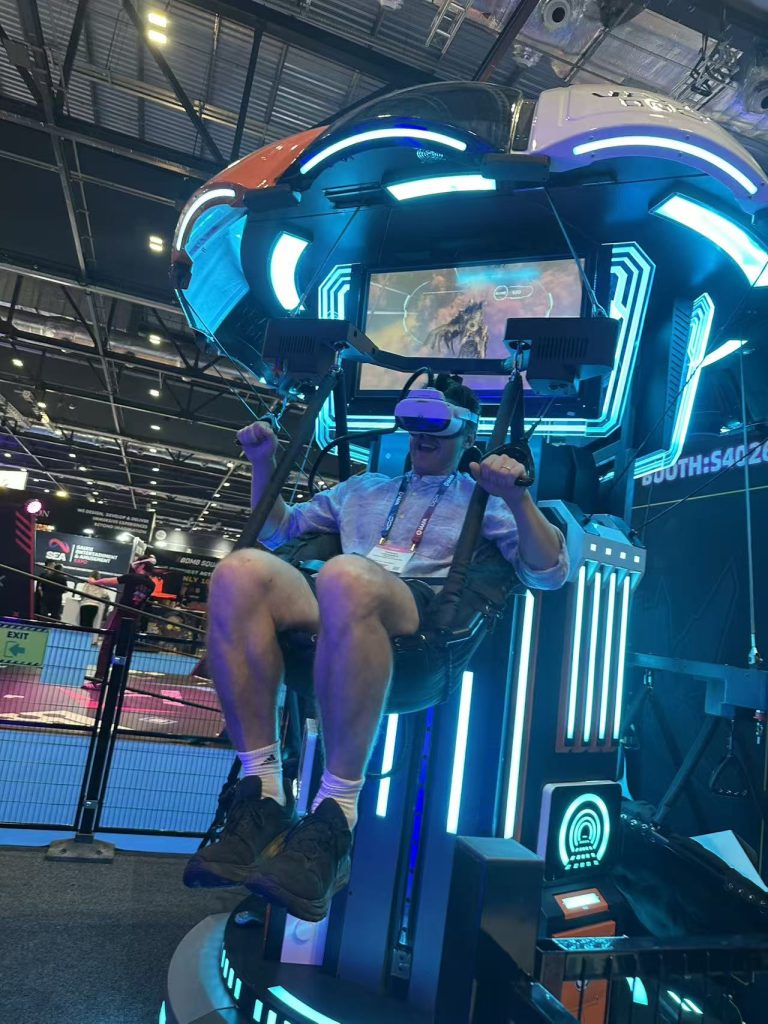
The demand for immersive location-based entertainment continues to grow in 2026, and flying simulators are among the most attractive experiences for customers. A commercial VR Paraglider Simulator combines motion technology with high-definition virtual reality to create the sensation of real flight — without the risks of traditional paragliding.
For investors, arcade operators, shopping mall managers, and theme park developers, launching a VR paragliding business can be a high-margin opportunity when properly planned.
In this guide, we break down the cost, equipment requirements, revenue model, and ROI potential of starting a VR Paragliding Game Simulator business.
Why VR Paragliding Is a Strong Business Opportunity in 2026?
Flying experiences are universally appealing. Unlike shooting or racing themes that may target specific audiences, paragliding simulations attract:
• Families
• Teenagers and young adults
• Corporate team-building groups
• Tourists
• First-time VR users
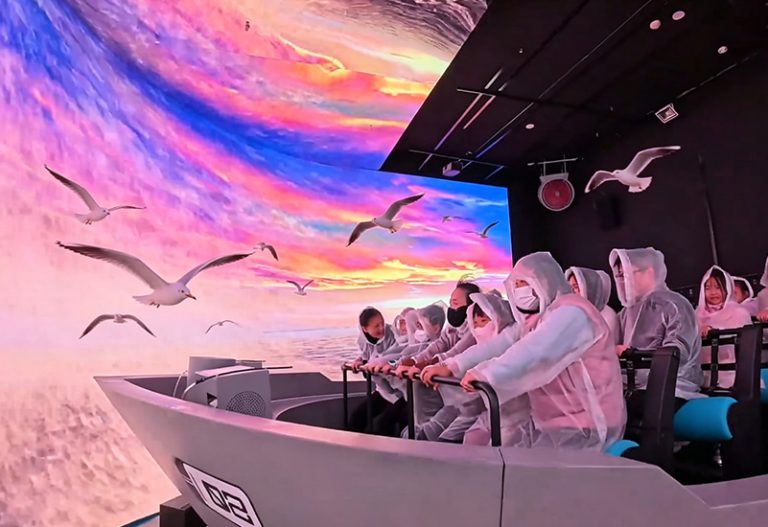
A 9D Virtual Reality Paragliding Game Simulator delivers motion, wind effects, and synchronized visuals that create a safe but thrilling experience. This makes it ideal for:
• Shopping malls
• Family entertainment centers (FEC)
• Theme parks
• Tourist attractions
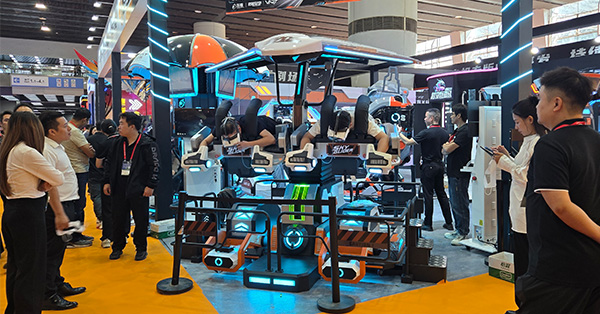
• Exhibitions
As consumers increasingly seek immersive entertainment over passive activities, VR flight simulators continue gaining popularity.
What Equipment Do You Need to Start a VR Paragliding Business?
To operate a professional VR Paraglider Simulator, you need:
1. Commercial Motion Platform
A durable structure capable of continuous daily operation.
2. High-Performance VR System
Enterprise-grade VR headsets with stable tracking and high refresh rates.
3. Integrated Control & Safety System
Ensuring smooth flight simulation and secure player experience.
4. Content Library
Multiple VR paragliding scenes (mountains, oceans, cities) increase replay value.
5. Space Requirement
Most VR Paraglider 2 Players Flying Simulator systems require approximately 6–12㎡ depending on model and configuration.
At VART VR, our systems are engineered specifically for commercial operation, ensuring stability, durability, and long-term performance.H2: How Much Does It Cost to Start a VR Paragliding Business?
The total investment depends on configuration, customization, and location. Key cost components include:
• Simulator equipment
• Shipping & installation
• Venue rental
• Interior decoration
• Marketing expenses
Commercial-grade VR Flight Simulators are designed for high-traffic operation, which ensures stronger long-term profitability compared to consumer-level systems.
For an exact quotation based on your country and venue size, contact VART VR for a customized solution.
ROI & Revenue Model
A VR Paragliding Game Simulator can generate strong daily revenue depending on foot traffic.
Example scenario:
• Ticket price: $8–$15 per session
• Session time: 5–8 minutes
• Hourly capacity: 8–12 players
• Daily operation: 8 hours
Estimated daily revenue:
$512 – $1,440
Many operators report payback within 6–12 months depending on location and marketing strategy.
Because flying experiences are visually attractive, they also serve as a strong “traffic magnet” inside malls and entertainment centers.Before investing, review our detailed buying guide for VR Paraglider Simulator.
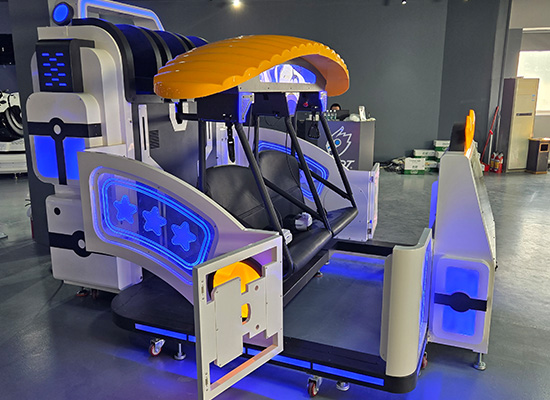
Single Player vs VR Paraglider 2 Players Flying Simulator
Two-player systems offer several advantages:
• Higher revenue per session
• More social engagement
• Competitive or cooperative flight modes
• Stronger visual attraction
For commercial environments, multi-player VR flight simulators typically achieve better ROI.
Choosing the Right Manufacturer
When selecting a VR Paraglider Simulator supplier, consider:
• Manufacturing experience
• Motion system quality
• Content updates
• After-sales technical support
• OEM/ODM customization
VART VR specializes in commercial VR arcade equipment and provides global installation guidance and technical support to ensure smooth business launch.
Best Locations for a VR Paragliding Simulator
Ideal locations include:
• Shopping malls
• Indoor theme parks
• Amusement centers
• Tourist destinations
• Large exhibitions
High foot traffic areas significantly improve conversion rates and shorten ROI cycles.
Frequently Asked Questions
Is a VR Paragliding business profitable?
Yes. In high-traffic locations, operators can recover their investment within one year.
How much space is required?
Most systems require between 6–12㎡ depending on configuration.
Is the VR Paraglider Simulator safe?
Commercial systems include reinforced structures and safety harnesses designed for public operation.
Can I customize the simulator design?
Yes. VART VR offers OEM/ODM customization including branding, lighting, and enclosure design.
How many players can use it at the same time?
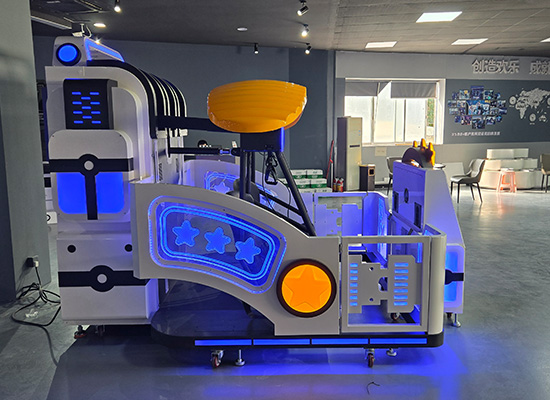
We offer both single-player and VR Paraglider 2 Players Flying Simulator models for different business needs.
Start Your VR Paragliding Business with VART VR
Launching a VR Paragliding Simulator business in 2026 is a strong opportunity for entertainment investors seeking immersive, high-margin attractions.
If you are planning to open a VR arcade, expand a theme park, or add a new attraction to your mall venue, contact VART VR request a quote for a customized proposal and ROI analysis.