How Does 7D Cinema Work? A Look at Motion Seats and Special Effects


What Makes 7D Different from 5D?
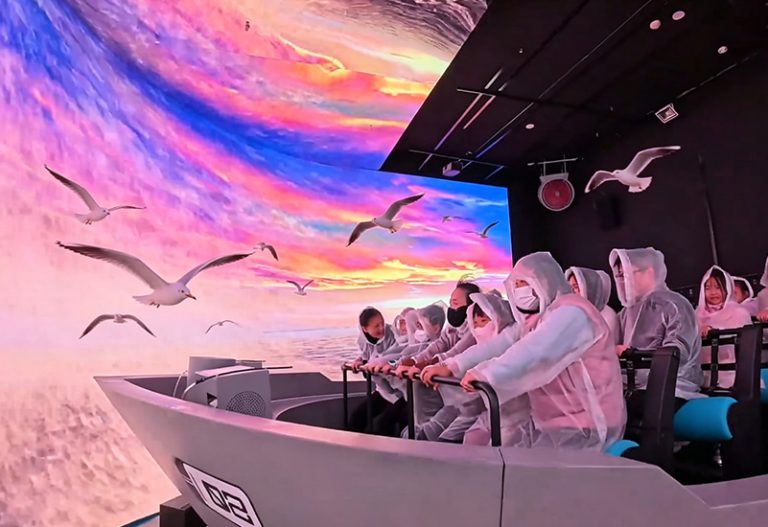
A 7D cinema combines 3D visuals with 6DOF motion seats, synchronized environmental effects (wind, water, fog, vibration, scent), and interactive gameplay controllers — all driven by a central control system that times every movement to the film, frame by frame. Unlike a standard 5D theater, most 7D systems add real interactivity, letting the audience shoot targets or influence what happens on screen. In the world of modern entertainment, few experiences captivate audiences quite like 7D cinema. While 5D theaters offer stunning visuals and environmental effects, 7D movies take things a step further — transforming passive viewers into active participants.
The secret lies in advanced motion platforms, 6DOF motion seats, and carefully synchronized environmental effects systems. Together, these technologies create an illusion so realistic that audiences feel completely absorbed in the action.
But how does it actually work behind the scenes? Let’s explore the technology that powers 7D cinema systems, and why businesses worldwide — from theme parks to shopping malls — are turning to providers like VART for reliable and immersive solutions.

The Core Components of a 7D Cinema
A 7D cinema combines physical motion, real-time effects, and precise programming. Unlike standard movie theaters, which rely only on visuals and sound, 7D cinemas engage all senses through synchronized motion platforms, audio-visual control, and environmental effects.
Let’s break down each of the main components that make up a 7D movie theater system.
Motion Seats (6DOF Systems Explained)
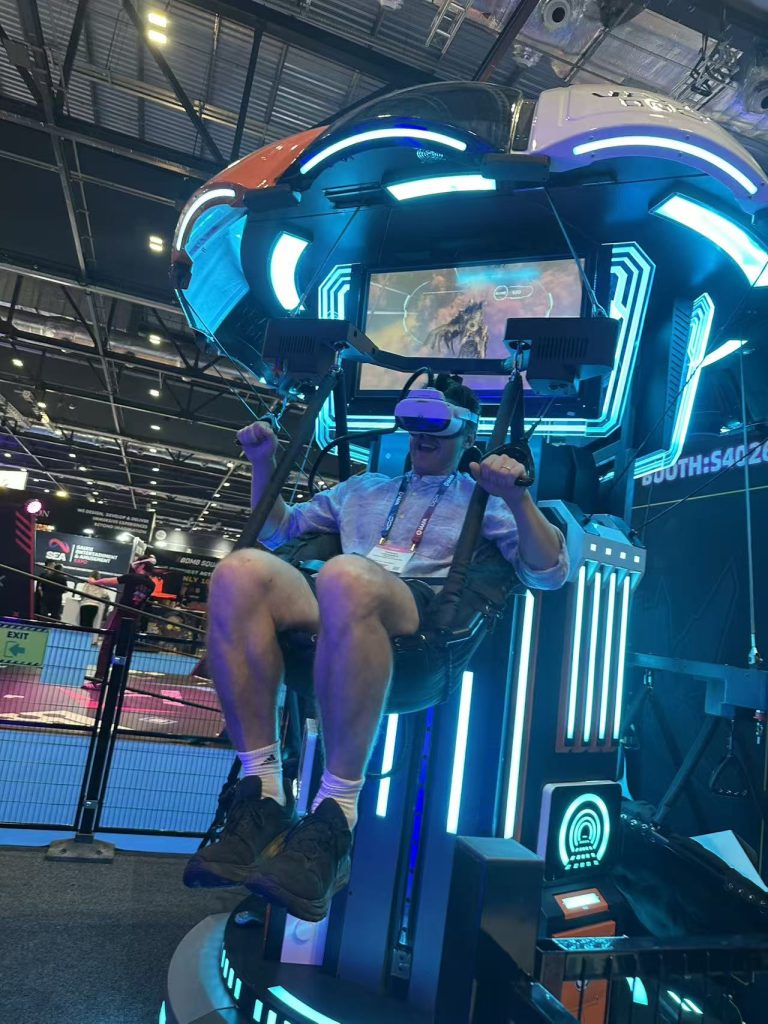
At the heart of every 7D cinema lies its motion platform — the mechanical base that moves the seats in perfect harmony with the film.
Most modern systems use 6 Degrees of Freedom (6DOF) motion seats. These platforms can move in six directions:
- Pitch (forward and backward tilt)
- Roll (side-to-side tilt)
- Heave (up and down movement)
- Yaw (rotation left and right)
- Surge (forward and backward motion)
- Sway (lateral movement)
This wide range of motion creates a deeply realistic experience. For example, when a car speeds up on screen, the seats tilt backward; during a crash, they jolt forward. The result is total body engagement that mimics real-life sensations.
VART’s motion platform cinemas use industrial-grade servo motors to ensure smooth and accurate movement, reducing noise while maintaining safety and durability — key factors for long-term commercial operation.
Environmental Effects (Wind, Rain, Snow, Vibration, Fog)
If the motion seat simulates movement, then environmental effects simulate the environment.
These are special systems that produce real-world sensations synchronized with on-screen events:
- Wind Effects: Simulate speed, storms, or explosions with air jets.
- Rain and Water Spray: Create light mist or water droplets for ocean or rain scenes.
- Snow Machines: Use foam particles to create realistic snowfall.
- Fog and Smoke: Enhance suspense, explosions, or mysterious moments.
- Vibration Modules: Add intensity to scenes like earthquakes or collisions.
- Scent Emitters: Reproduce natural smells such as flowers, smoke, or ocean air.
All of these are precisely timed to the film’s action through the central control system.
In a well-programmed 7D theater, the audience doesn’t just see rain — they feel it. They don’t just watch an explosion — they experience the shockwave.
These 5D effects combined with interactive 7D systems create multi-layered realism that ordinary cinemas simply cannot replicate.
Audio-Visual Synchronization
Visuals and sound are still the foundation of any cinema experience. But in 7D movies, these elements are elevated by perfect synchronization with seat motion and effects.
The system uses advanced timing software to align every sound and motion cue within milliseconds. When lightning flashes on screen, thunder rumbles through high-fidelity speakers, seats shake subtly, and strobe lights simulate the lightning burst — all happening in perfect harmony.
This seamless synchronization ensures that the transition between on-screen visuals, audio, and physical motion feels natural and believable, maintaining immersion from start to finish.

Central Control and Motion Programming
The brain behind every 7D theater is the central control system — an integrated software and hardware unit that synchronizes all components.
How It Works?
- Movie Encoding: Each film is encoded with motion data and effect triggers.
- Motion Programming: Engineers define how the seats and effects should react at every moment.
- Synchronization Control: The control system communicates with seat actuators, effect devices, and audio-visual systems.
- Playback Management: Operators can start, stop, or calibrate experiences from a central console.
High-quality systems like VART’s motion platform cinema control software support real-time synchronization, diagnostics, ensuring that every scene feels lifelike and consistent.
How 7D Cinemas Enhance Immersion?
So why do people love 7D cinema so much? Because it bridges the gap between film and reality.
Here’s how 7D enhances immersion:
1. Physical Engagement
The 6DOF motion seats move dynamically with the storyline, triggering the body’s sense of balance and motion, making every twist and turn feel real.
2. Multi-Sensory Experience
Environmental effects systems stimulate sight, touch, hearing, and even smell — creating an unforgettable sensory experience.
3. Interactive Gameplay
In many 7D theaters, audiences use shooting controllers to interact with the movie. Each participant can target objects, earn points, and even influence the storyline.
4. Group Entertainment
7D cinemas are highly social. People often compete with each other during gameplay, share scores, and talk about their experience online.
5. Emotional Impact
Because every sense is involved, emotions like excitement, fear, or surprise are amplified — resulting in stronger audience satisfaction and repeat visits.
7D vs 5D Cinema: Quick Comparison
| 5D Cinema | 7D Cinema | |
|---|---|---|
| Motion seats | Yes (basic 3–4 axis) | Yes (full 6DOF) |
| Environmental effects | Wind, water, bubbles | Wind, water, snow, fog, scent, vibration |
| Interactivity | No | Yes — shooting/gameplay controllers |
| Typical capacity | 6–12 seats | 8–20+ seats |
| Best for | Short attraction, high turnover | Longer, repeat-visit experience |
To see how this compares with traditional motion theaters, check our 5D vs 7D cinema comparison.

Why 7D Cinemas Are Profitable for Operators?
From a business perspective, 7D theaters offer powerful advantages:
- High ROI: Operators report faster payback than traditional 3D or 4D setups.
- Compact Setup: 7D theaters can fit into small venues such as shopping centers or amusement arcades.
- Repeat Customers: Interactivity and competition encourage visitors to return.
- Low Maintenance: Quality systems like VART’s 6DOF motion seats are built for continuous commercial use.
- Flexible Content: Operators can regularly update movie content to keep experiences fresh.
For investors, these features translate into steady income, quick payback, and long-term growth.
How Much Does a 7D Cinema Cost?
Setup cost depends on seat count, effect systems, and content library, but most commercial 7D cinema packages range from a few thousand dollars for a compact unit to well over $50,000 for a larger multi-seat theater with full interactive gameplay. For a full price breakdown by seat count and configuration, see our 7D Cinema Price & ROI Guide.
How Much Space Do You Need for a 7D Cinema?
A small 7D theater can fit into as little as 15–20 m² of floor space, making it a strong fit for shopping malls, arcades, and compact venues. Larger multi-seat systems need more room for the motion platform and safety clearance. See our full breakdown in How Much Space Do You Need for a VR Arcade or Theme Park?
Central Control + 6DOF = Realistic Synchronization
The true power of 7D cinema technology lies in synchronization — every sound, movement, and effect working together.
Imagine watching a 7D movie about flying through space:
- The 6DOF motion platform simulates acceleration and turns.
- Wind jets mimic atmospheric pressure changes.
- Lighting effects imitate flashes of stars and explosions.
- Vibration modules recreate the engine’s rumble.
All of this happens simultaneously, controlled by a single central system.
That’s why VART’s motion seat technology and environmental effects systems are designed to achieve millisecond-level synchronization, ensuring fluid transitions and ultimate immersion.
Summary & Link to ROI Guide
7D cinema represents the pinnacle of motion-based entertainment — combining 6DOF motion seats, advanced control systems, and synchronized 5D effects to create unforgettable experiences.
For operators, the result is high engagement, strong word-of-mouth marketing, and an attractive return on investment.
If you want to understand how profitable a 7D theater system can be, check out our related guide:
7D Cinema Price, Cost and ROI Calculation
(This article is interlinked with our previous post: What Are the Differences Between 5D and 7D Cinemas?)
FAQ: How 7D Cinema Works?
Q1: What is a 7D cinema?
A 7D cinema is a multi-sensory theater that combines 3D visuals, motion platforms, and environmental effects — plus interactive gameplay elements.
Q2: What is a 6DOF motion seat?
A 6DOF motion seat can move in six directions, allowing precise simulation of pitch, roll, heave, yaw, surge, and sway. It’s what makes 7D theaters feel so realistic.
Q3: What are environmental effects in 7D theaters?
These include wind, rain, fog, snow, vibration, and scent — all synchronized with movie scenes.
Q4: How are the effects and motion controlled?
A central software system synchronizes motion platforms, audio-visual cues, and special effects with millisecond precision.
Q5: Is 7D cinema profitable for entertainment venues?
Yes. With compact setup options, high replay value, and strong visitor engagement, 7D theaters deliver one of the best ROI ratios in the amusement industry.
Q6: How much does a 7D cinema cost to set up?
A: Pricing depends on seat count and effects package — see our 7D Cinema Price & ROI Guide for a full cost breakdown.
Q7: How is 7D cinema different from 5D?
A: 5D cinema focuses on motion seats and basic environmental effects. 7D adds full 6DOF motion, more effect types, and interactive gameplay controllers, making it more immersive and better suited to repeat visits.