5 Key Factors to Consider Before Buying a VR Paraglider Simulator

Introduction
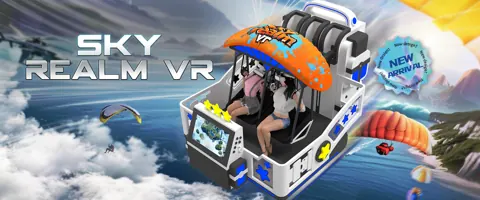
Investing in a VR Paraglider Simulator can be a powerful addition to a VR arcade, theme park, or shopping mall entertainment center. However, not all simulators are built the same.
Before making a purchase decision, investors should carefully evaluate motion technology, commercial durability, space requirements, and long-term profitability.
In this guide, we outline the five most important factors to consider before buying a commercial VR Paraglider Simulator.
1. Motion Technology & Immersion Level
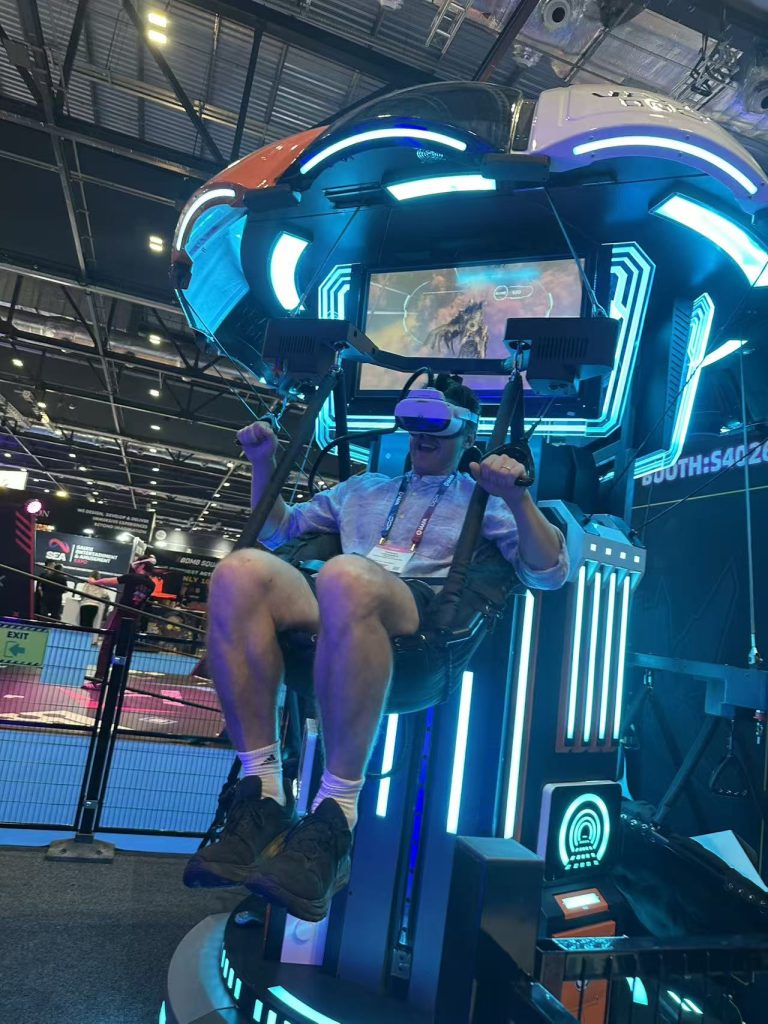
The core of any VR Paraglider Simulator is its motion system.
A high-quality commercial system should include:
• Dynamic vertical lift for freefall sensation
• Left-right tilting to simulate aerial maneuvering
• Impact and vibration feedback
• Real-time wind effects
• Environmental enhancements such as mist or rain
Advanced motion systems significantly increase immersion and replay value. In commercial settings, stronger immersion translates directly into higher customer satisfaction and better word-of-mouth marketing.
When evaluating suppliers, always ask:
• What is the maximum lift range?
• Does the system simulate weightlessness?
• Are environmental effects included?
The difference between a basic motion platform and a dynamic multi-effect system can determine whether your attraction stands out in a competitive market.
2. Commercial Durability & Operational Stability
Home-use VR systems are not suitable for high-traffic commercial environments.
A commercial VR Paraglider Simulator must be:
• Built with industrial-grade materials
• Designed for 8–12 hours of daily operation
• Equipped with reinforced structural safety
• Supported by reliable after-sales service
Downtime means lost revenue. Choosing a manufacturer experienced in commercial VR arcade equipment ensures long-term operational stability.
Ask the supplier:
• How many units are installed globally?
• What is the maintenance cycle?
• Is remote technical support available?
3. Space Requirements & Venue Compatibility
Before purchasing, measure your available installation area.
Typical considerations include:
• Floor space (usually 6–12㎡ depending on configuration)
• Ceiling height
• Power supply requirements
• Customer waiting area
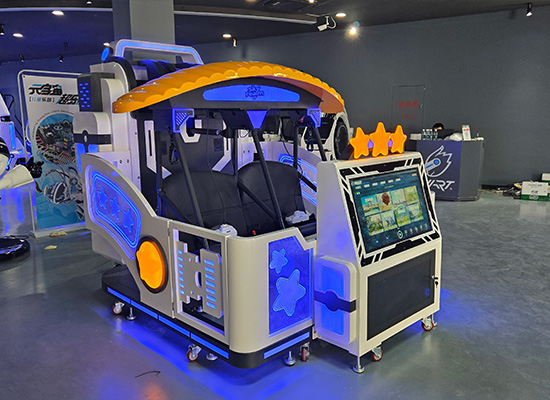
A compact yet visually dynamic VR Paragliding Game Simulator can fit well in:
• Shopping malls
• Family entertainment centers (FEC)
• Indoor theme parks
• Tourist attractions
Choosing a system optimized for commercial layout flexibility makes venue integration easier.
4. Revenue Model & ROI Potential
Ultimately, your investment decision should be based on profitability.
Consider:
• Ticket price per session
• Session duration
• Hourly player capacity
• Daily operating hours
Example scenario:
• $10 per session
• 10 players per hour
• 8 operating hours
Daily revenue potential: $800
In high-traffic locations, many operators achieve ROI within 6–12 months.
When comparing suppliers, evaluate not only the equipment cost but also the long-term revenue potential of the attraction.To understand the differences between paragliding-style simulators and traditional flight simulators, read our full comparison guide before making your final investment decision.

5. Manufacturer Experience & Customization Options
Choosing the right manufacturer is critical.
Look for:
• Proven experience in commercial VR simulators
• OEM/ODM customization capability
• Global installation support
• Content updates
• Spare parts availability
A trusted supplier should provide not only equipment but also business guidance and technical assistance.
At VART VR, our VR Paraglider Simulator systems are engineered for commercial reliability, immersive motion, and long-term profitability.
Bonus Consideration – Single vs 2-Player Models
If space and budget allow, a VR Paraglider 2 Players Flying Simulator can significantly increase revenue per session.
Advantages include:
• Higher per-session income
• Social interaction
• Competitive gameplay modes
• Stronger visual attraction
Multi-player systems often perform better in busy entertainment venues.
Frequently Asked Questions
How much does a commercial VR Paraglider Simulator cost?
Pricing depends on configuration, customization, and shipping requirements. Contact us for a tailored quotation.
Is a VR Paragliding business profitable?
Yes. In high-traffic entertainment venues, operators can often recover their investment within one year.
How much space do I need?
Most systems require approximately 6–12㎡ depending on model and layout.
Is the simulator safe for public use?
Commercial systems include reinforced structures and safety harnesses designed for public environments.
Can I customize the simulator design?
Yes. OEM and branding customization options are available for commercial projects.
Final Thoughts
Buying a VR Paraglider Simulator is not just a technology decision — it is a business investment.
By evaluating motion realism, commercial durability, space compatibility, ROI potential, and manufacturer reliability, you can confidently choose a system that supports long-term success.
If you are planning to add a high-impact flying attraction to your venue, contact VART VR to discuss your project requirements.